Browning, Montana is home to the Great Plains Indian Museum which
covers all plains tribes. The list includes Blackfeet, Arapaho,
Assiniboine, Cheyenne, Comanche, Crow, Nez Peirce, Lakota, Sioux,
Ojibwa, and Apache. The museum exhibits are owned by the United States
Department Of The Interior and no pictures are allowed. Even the map
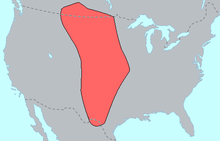
showing where each tribe came from was off limits. The map above gives
their range, but not the individual tribes location. I got the map on
wikipedia. Not hard to tell we are in buffalo country.

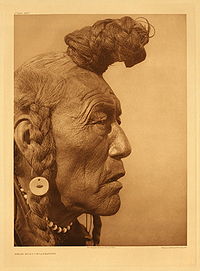
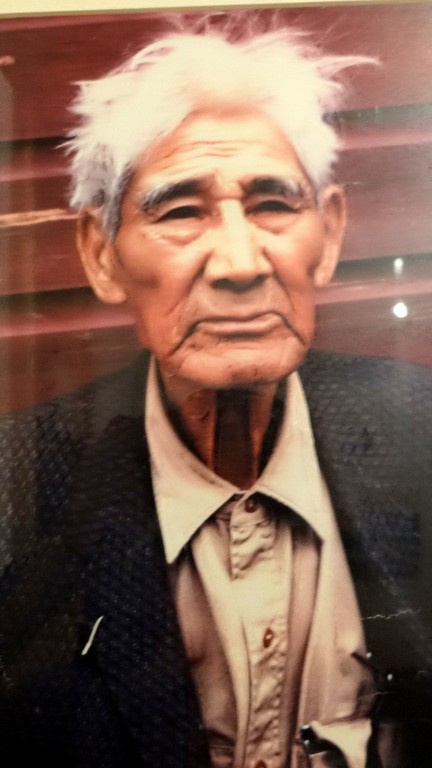
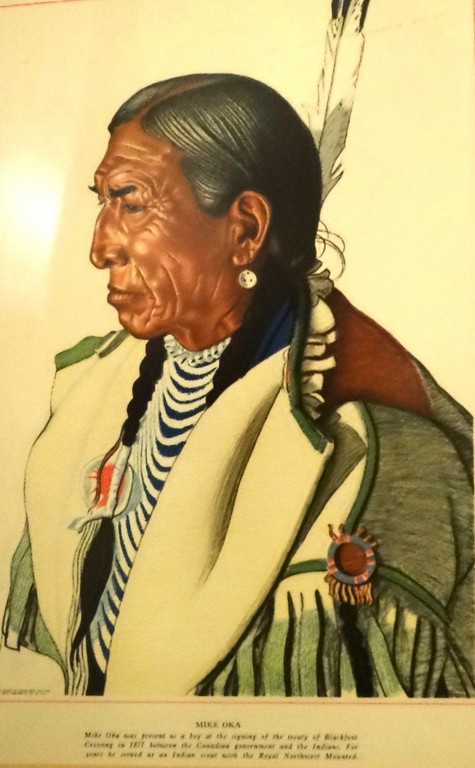
Bear Bull is a Blackfeet Indian. His image was also taken from
Wikipedia where they refer to Blackfoot, rather than Blackfeet. The
Museum has an absolutely beautiful collection of Plains Indian clothing,
their craftsmanship in building decorative tipi’s, buffalo skin boats,
drums, sticks, racks, back rests, the many items that can be made with
buffalo hide. It explains their religious rituals and especially the
decorative clothing, saddle cloth, saddles and beaded quivers, toys,
baskets, papoose carriers and feathered headdresses. The bead work is
stellar, made from the tiniest glass beads and it seems a shame that we
are unable to share it. On one side of the Museum is a working artists
gallery.

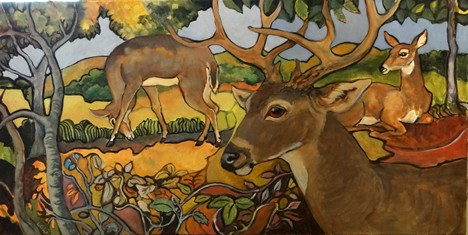
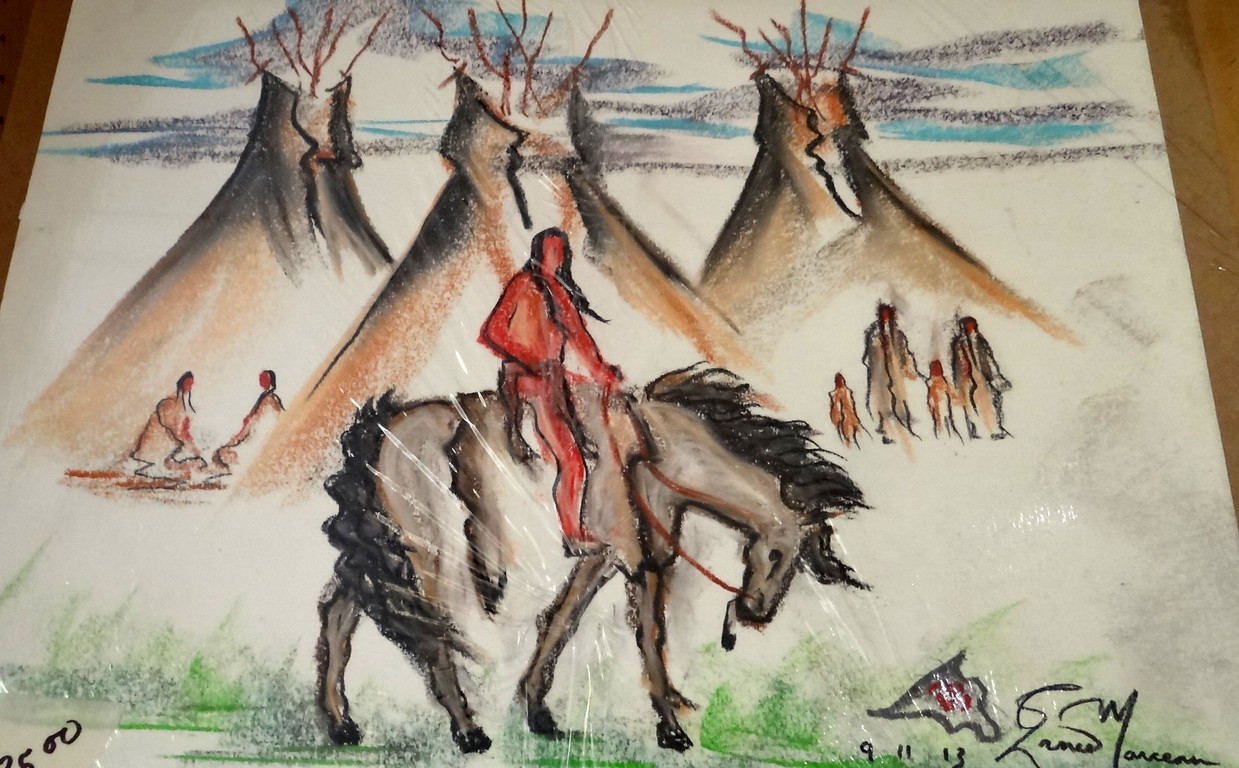
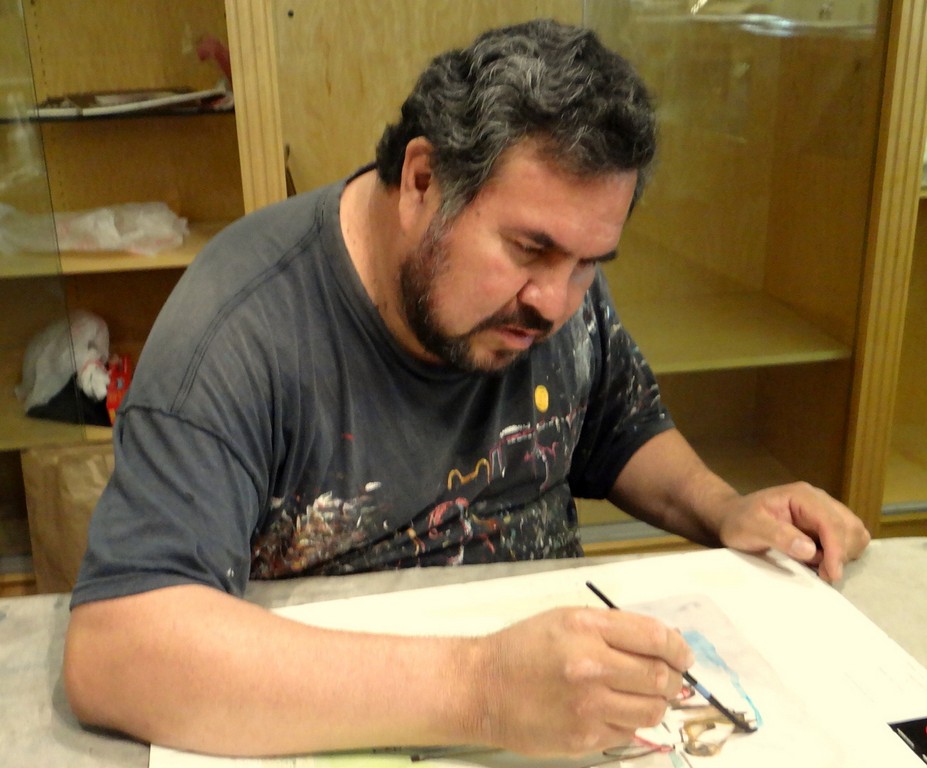
Ernest Marceau gave permission to photograph his work. I liked this water color.

Ernest paints watercolors from memory. He doesn’t copy from a
picture. He is Blackfeet. He also works in oil. At the Heritage Center
across the street from the museum, he has paintings for sale in
decorative wooden frames he makes to go with his paintings.

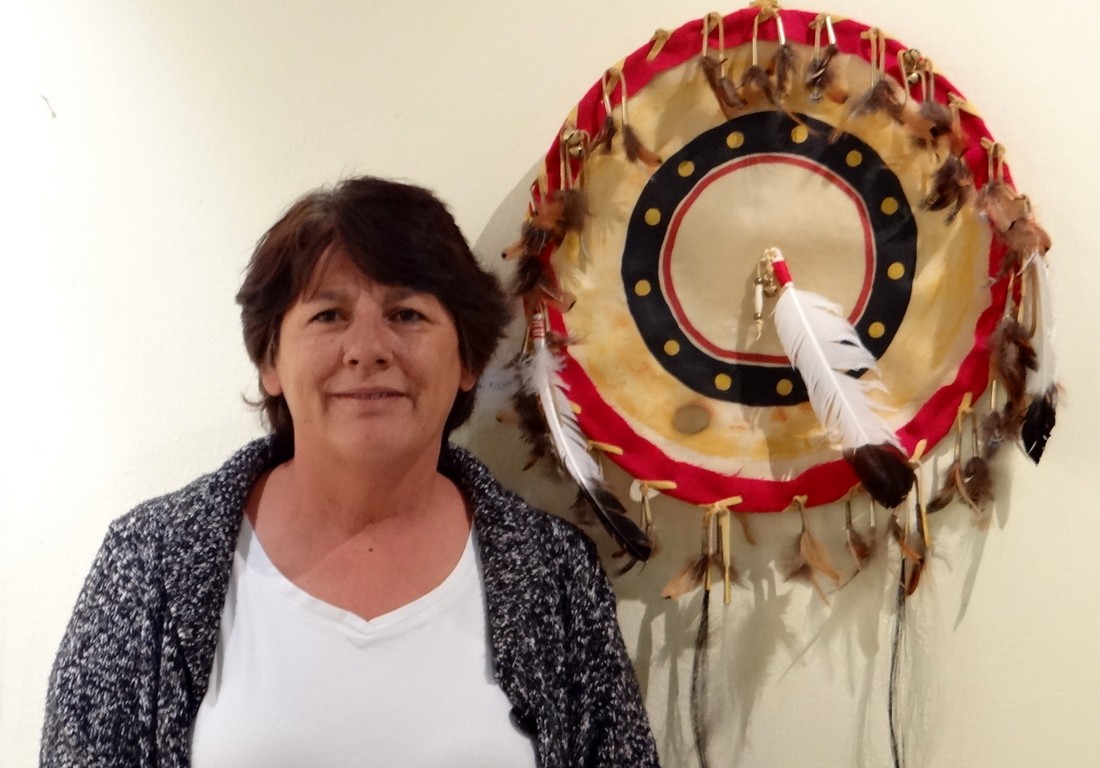
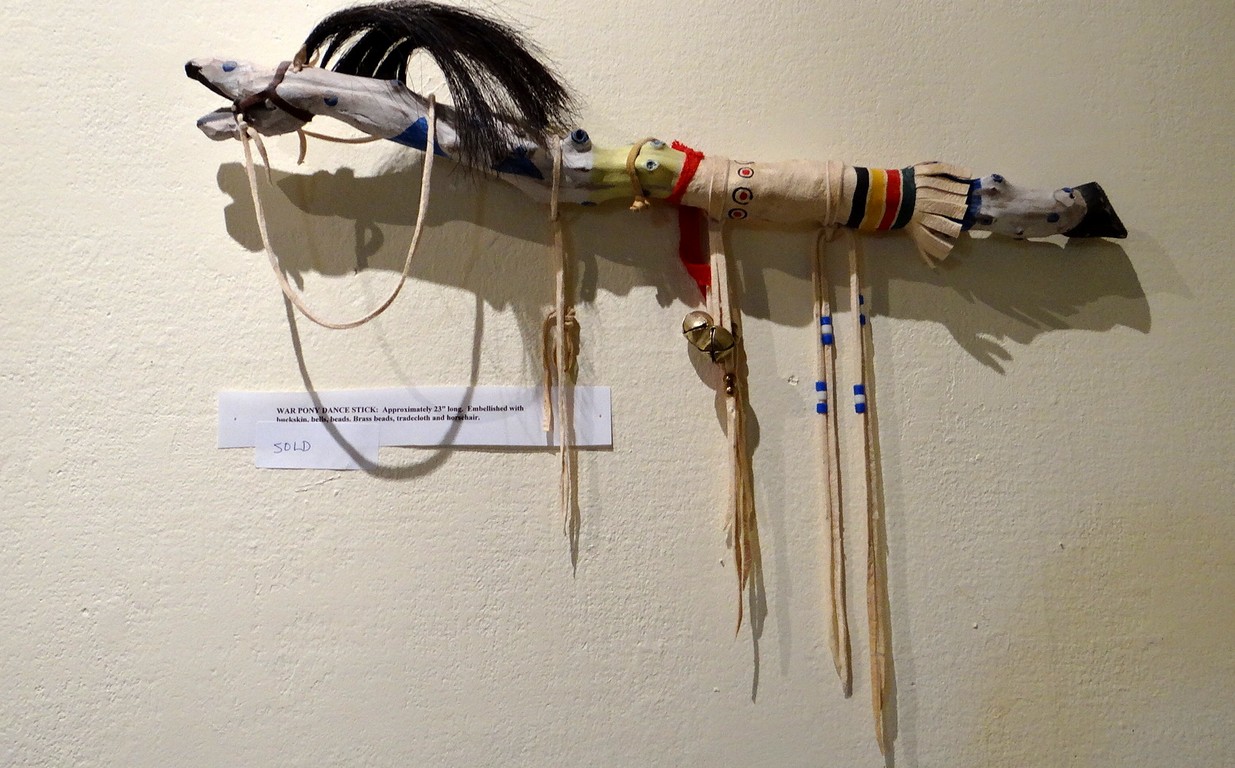
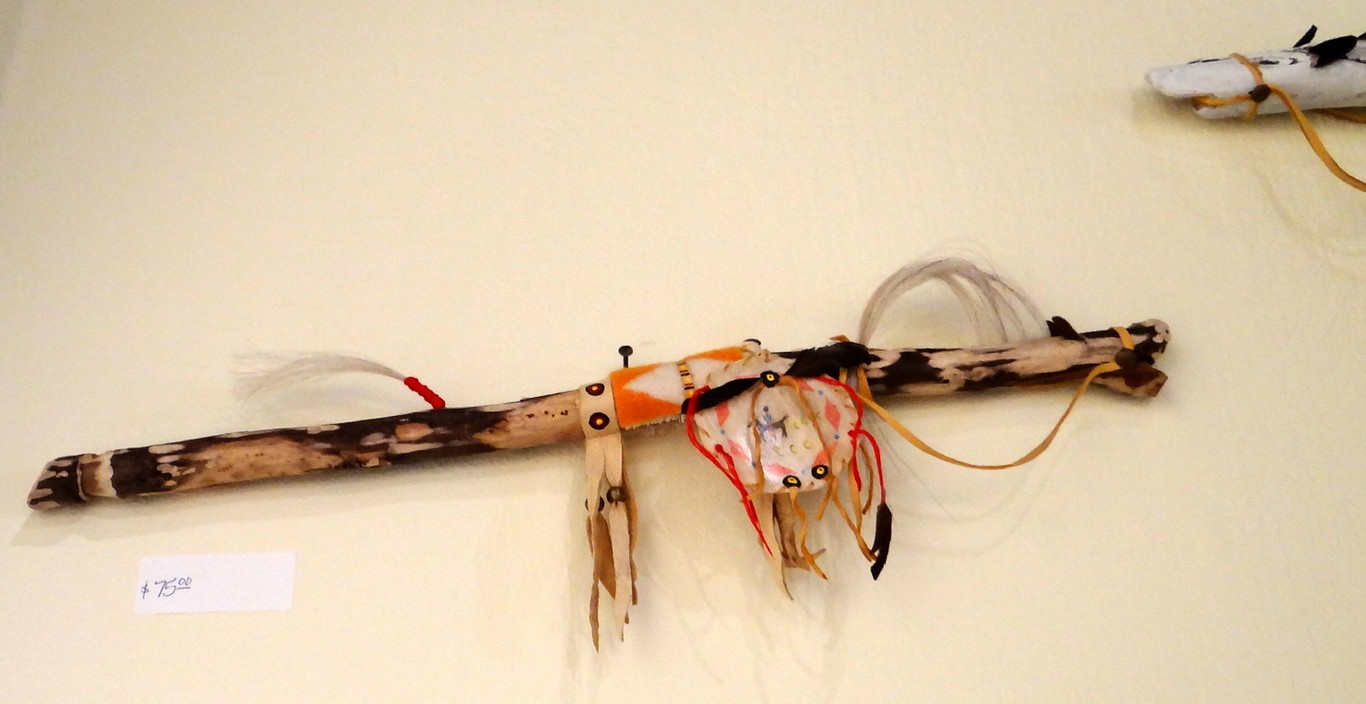
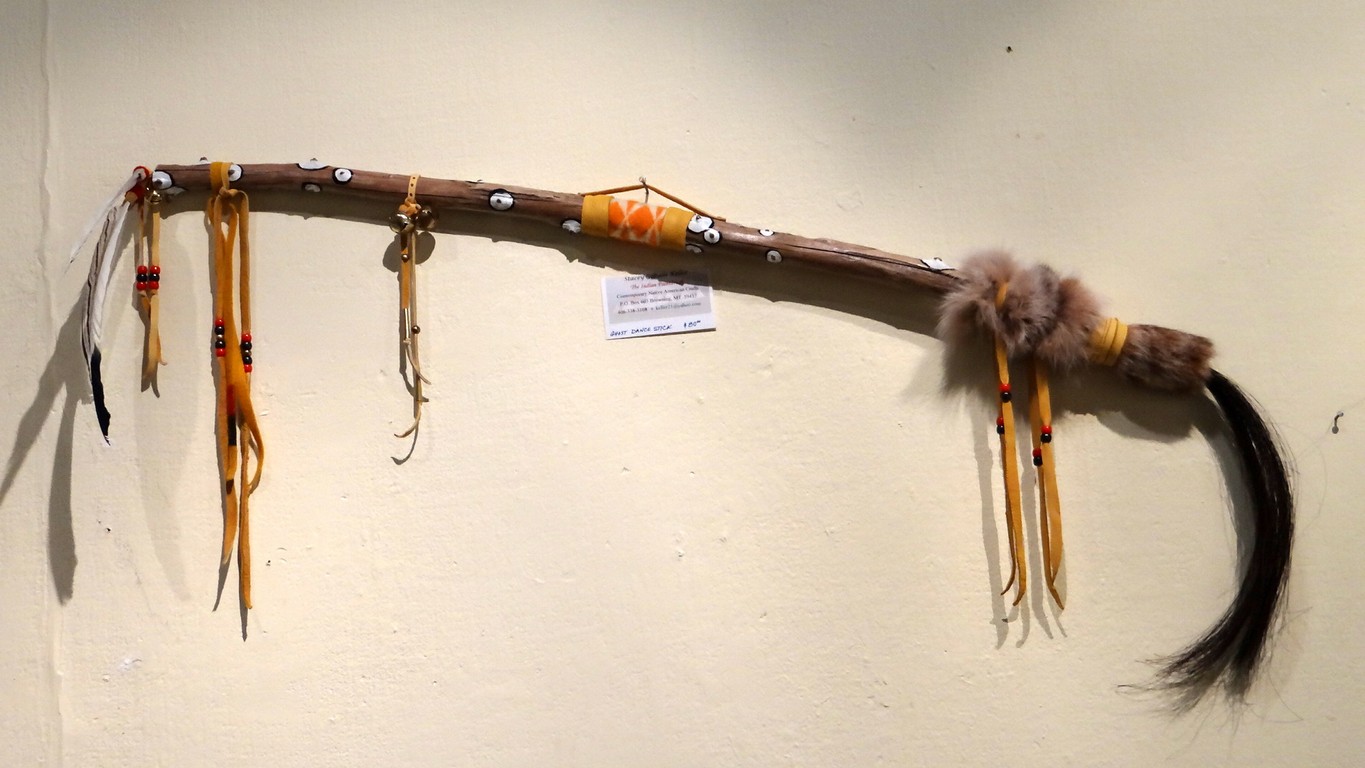
Stacey Gilham Keller displays and works at the Museum Gallery. This shield is her work. She likes to do masks and pony sticks.

She takes inspiration from the size and shape of a piece of driftwood
she finds. It is decorated with horsehair, a bridle, buckskin and
bells.

The sticks are affordable and you know it was crafted by a Native American and not mass made in China.

I liked her pony sticks and bought this one. Modern Indian Arts don’t
compare to the quality of items in the Museum where time and
experience gave the old timers an edge. This museum is well worth the
stop and very educational. It explains the dances, customs, how things
are made, the knots used, materials used. Really nice. Across from the
museum is the Blackfeet Heritage Center and Gallery.

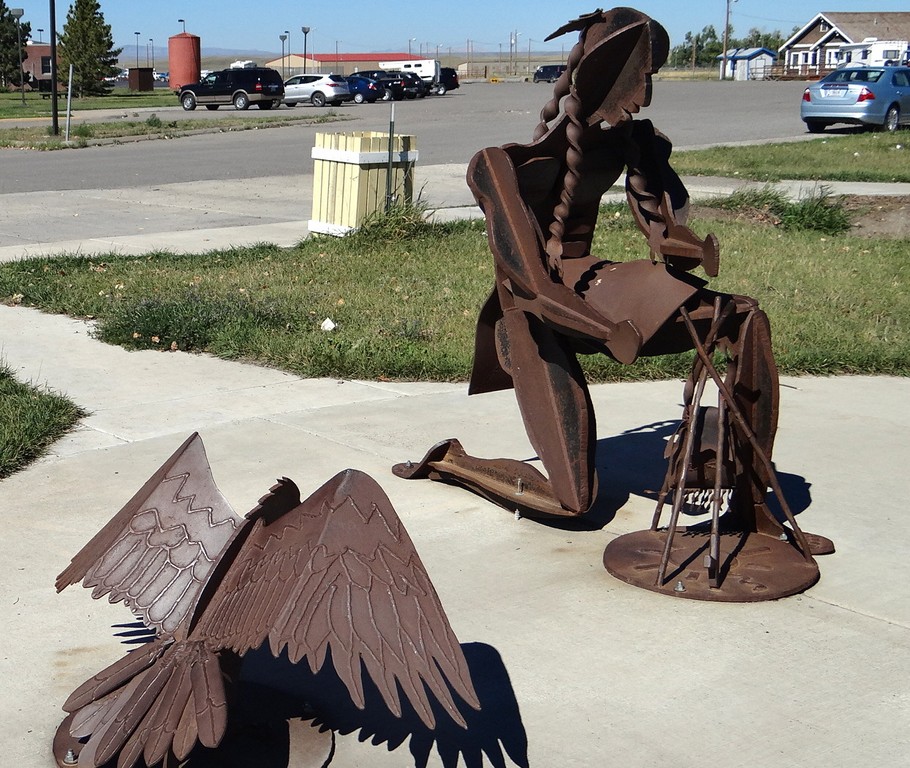
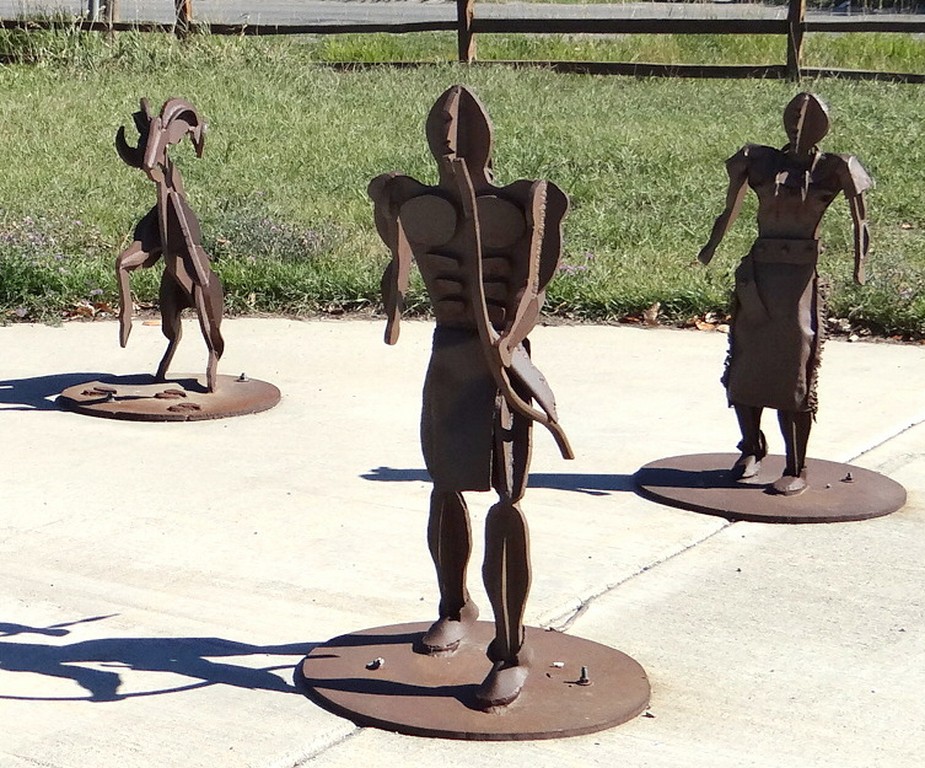
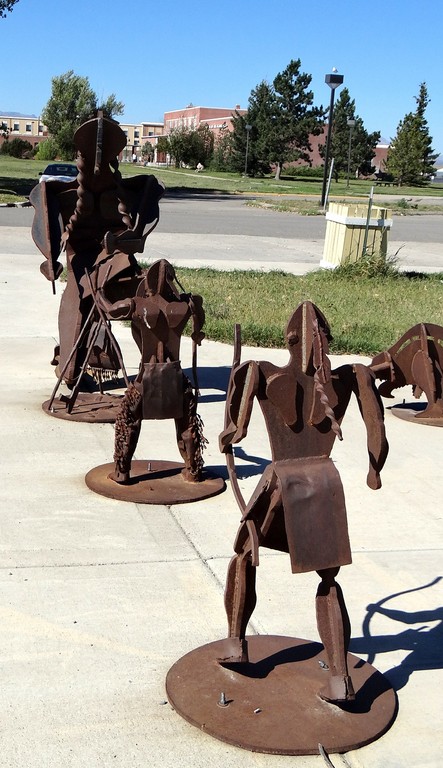
An installation near a resting spot with picnic tables was open to photography. The pieces are steel.

Animals and people arranged in a circle with the Medicine Man the center of attention.

.

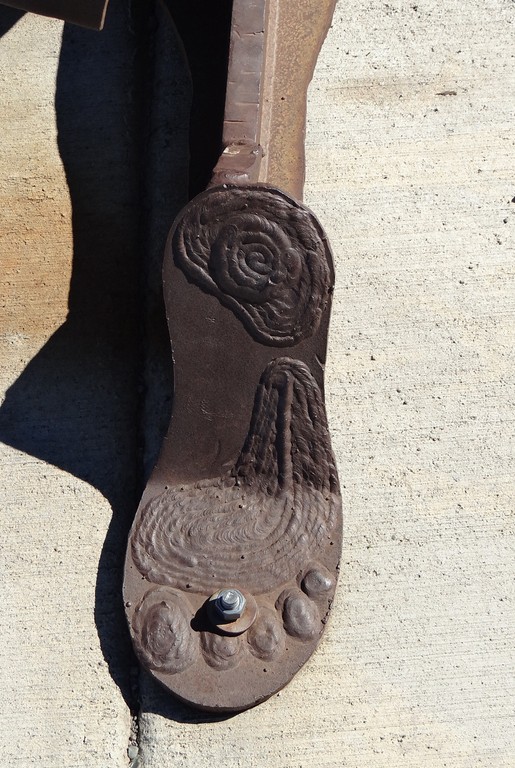
When I asked Stacey if she is Blackfoot, she answered vehemently,
“No, I’m Blackfeet.” I believe Wikipedia has it wrong. But the steel
foot is from the medicine man sculpture.

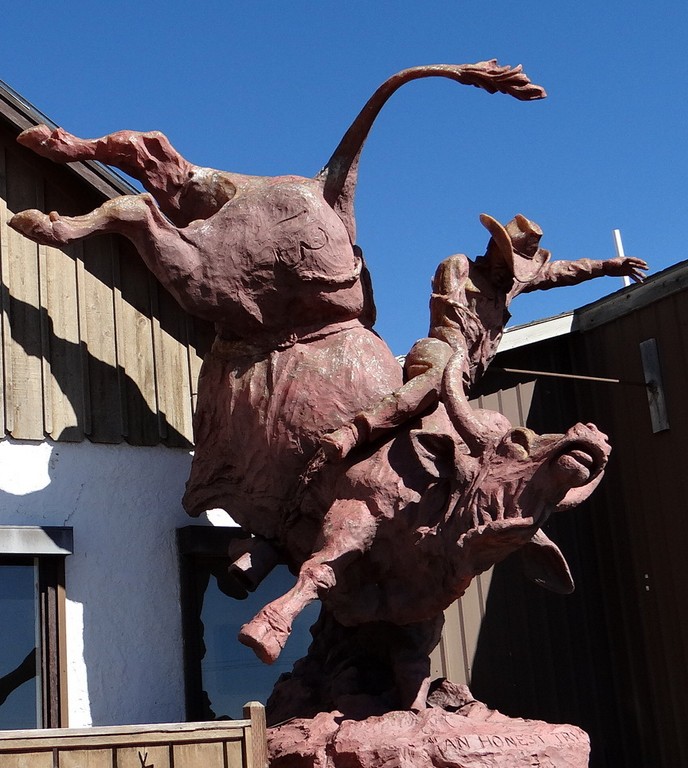
The Blackfeet Heritage Center Gallery can’t be missed. This huge
steer wrangling statue sits in front of the building facing Highway 2.
Inside, no pictures are allowed. They have a baby Tyrannosaur complete,
coiled up in a circle with everything intact. It is from his “wishbone”
(and others) that archeologists know birds are descended from dinosaurs.
The fossil was found on Indian lands and can be studied by scientists,
but it remains with its finders, the Blackfeet Nation.

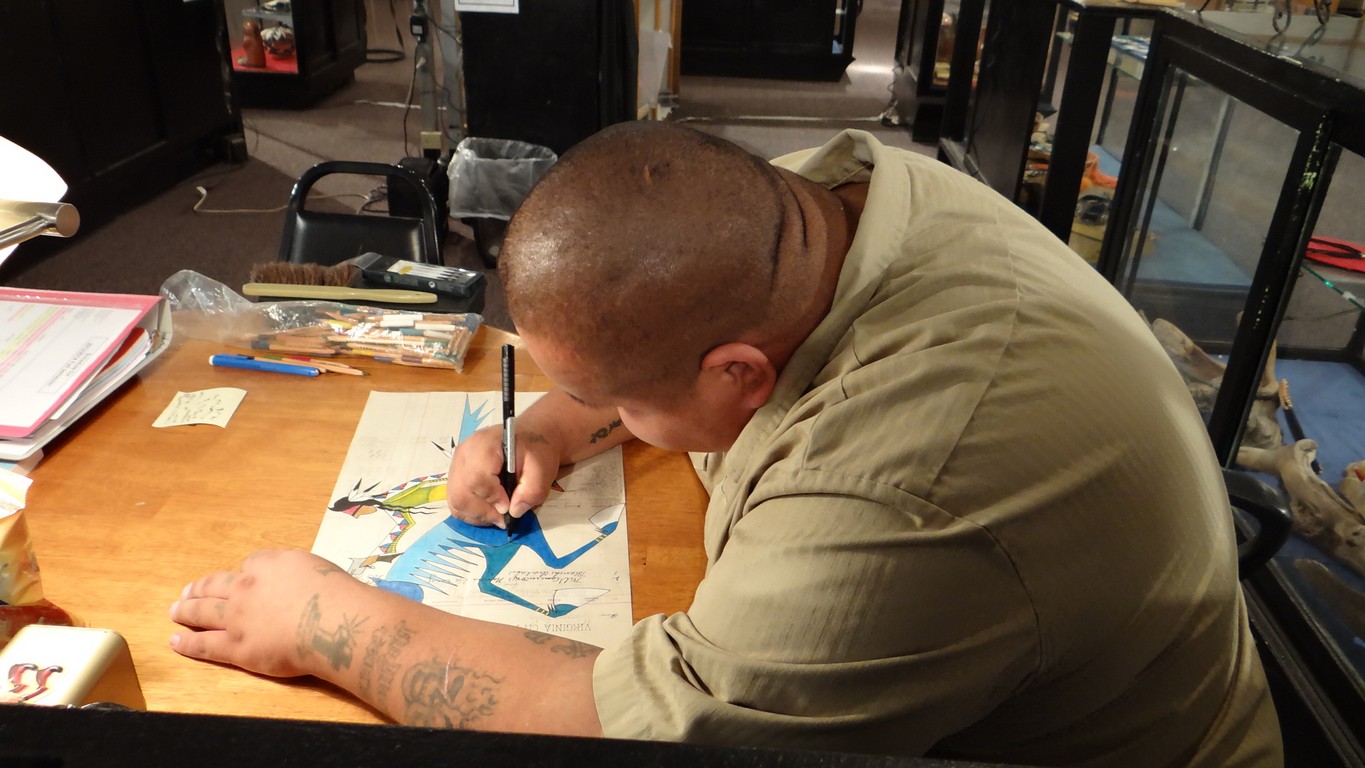
John Isaiah Pepion is a Blackfeet Artist who works at the Heritage
Center. He is painting on an old ledger page instead of a clean piece of
paper. I asked him why? He told me that tribes painted on stones, then
graduated to buffalo hide and during the time when the government
controlled them and imprisoned them, they were given old ledger sheets
to draw on. Those are now called Ledger Art. He buys his sheets at
antique sales or from flea markets. Work from several ledger artists was
on display at the center, also very affordable.

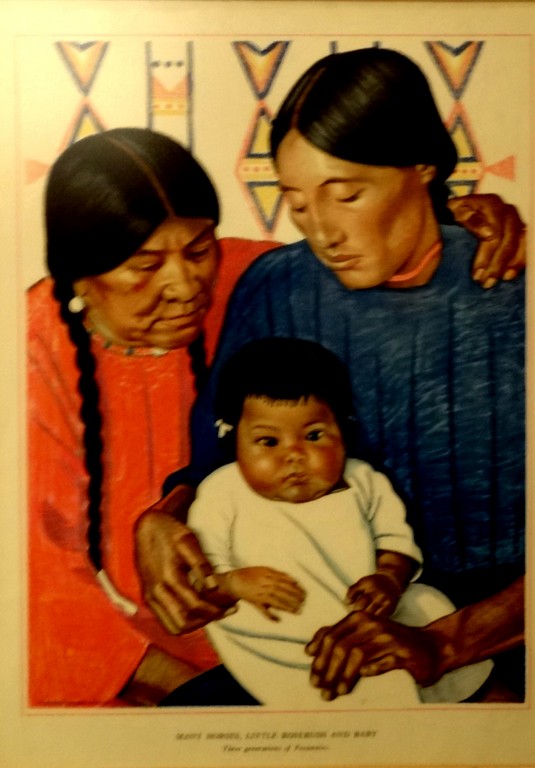
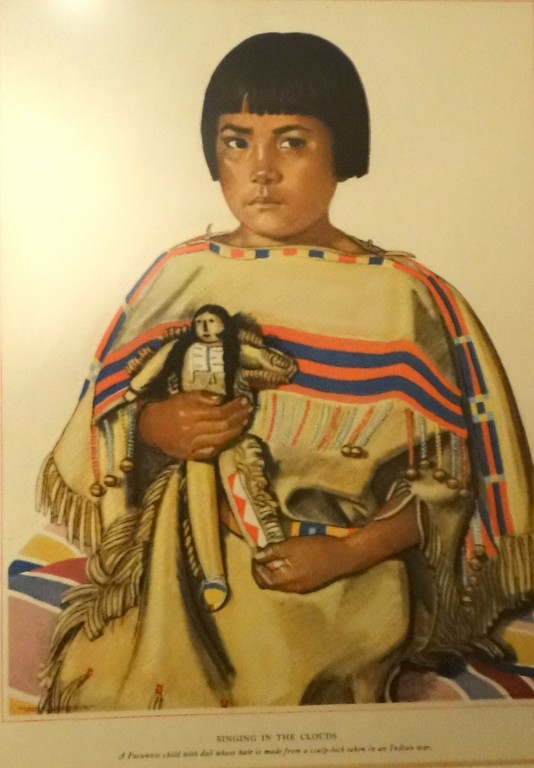
John Clarke is the Blackfeet, mute artist from the Cut Bank Museum we visited yesterday.

He painted his people.

.

.

.

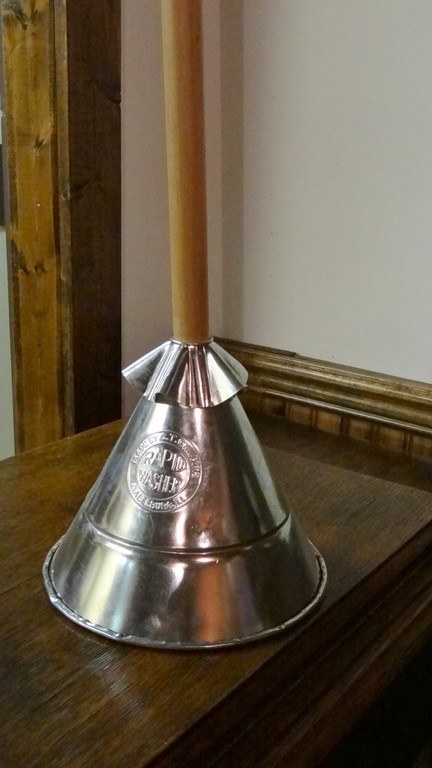
While I was rummaging around through yesterdays picture file, I
remembered the one item I had never seen before was this Rapid Washer, a
plunger used to agitate clothing in the wash tub to help clean them. (I
forgot to post it.) So, there you are. The Native American people had
their life style, their land, their heritage, even their food stolen
from them. I can’t blame them for not wanting their designs stolen as
well by refusing to have pictures taken in their cultural centers.
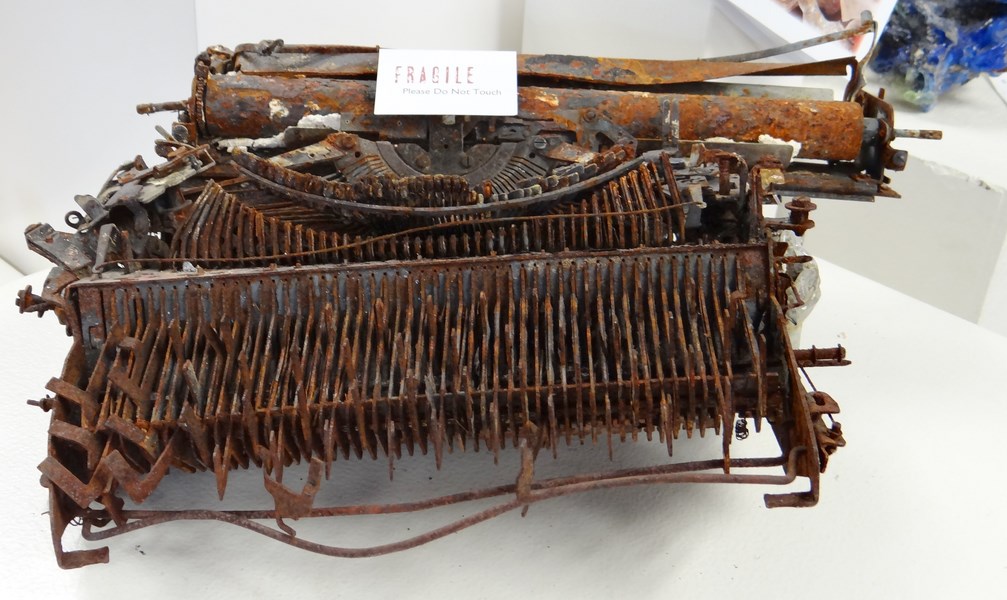
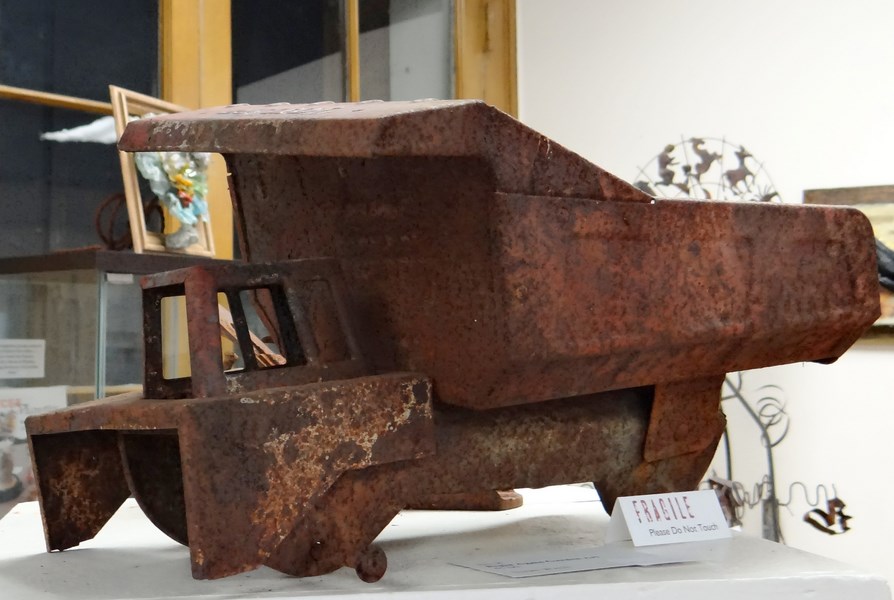
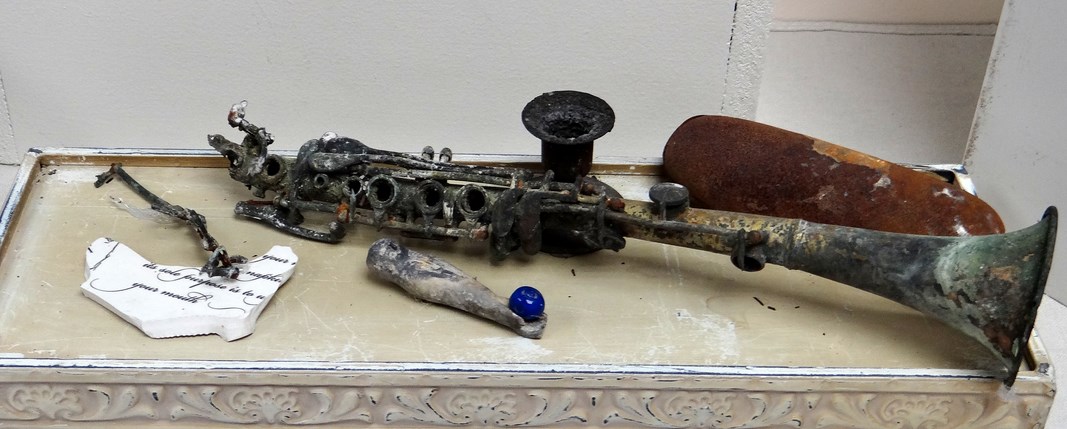
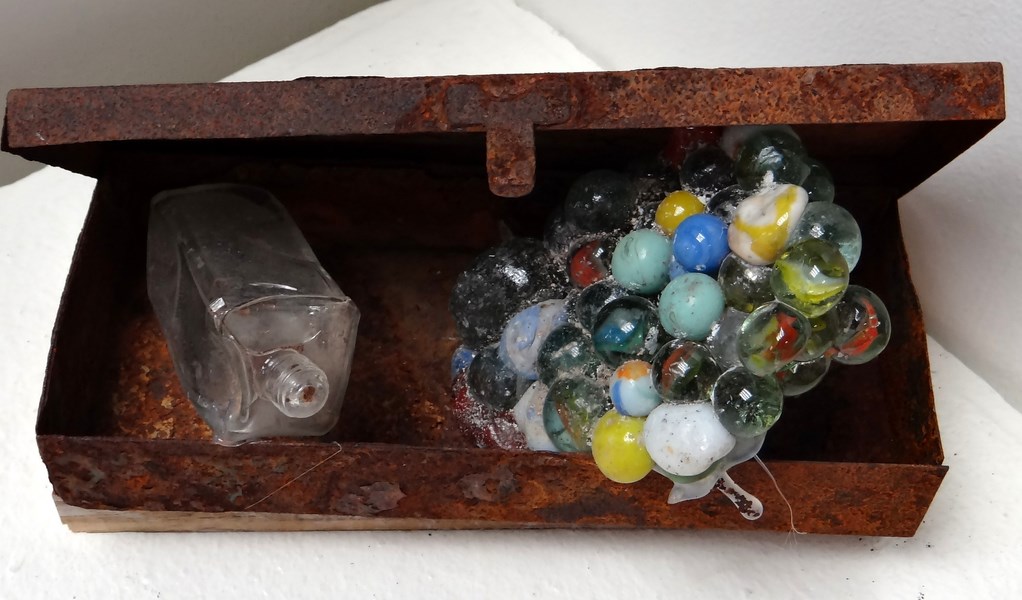 When
my house burned to the ground in Michigan, I remember finding my
melted marbles and my mother's jar full of precious coins. The wafts of
smoke coming from the ashes, the strong smell, the bent bed springs and
melted cook stove didn't make me give up hope that I might find a heart
shaped plastic locket my grandmother gave me that contained a tiny
rosary. Of course, it couldn't possibly survive, but my 8 year self
believed in miracles.
When
my house burned to the ground in Michigan, I remember finding my
melted marbles and my mother's jar full of precious coins. The wafts of
smoke coming from the ashes, the strong smell, the bent bed springs and
melted cook stove didn't make me give up hope that I might find a heart
shaped plastic locket my grandmother gave me that contained a tiny
rosary. Of course, it couldn't possibly survive, but my 8 year self
believed in miracles.