Showing posts with label recovery. Show all posts

Tuesday, August 30, 2016

FROM THE ASHES.

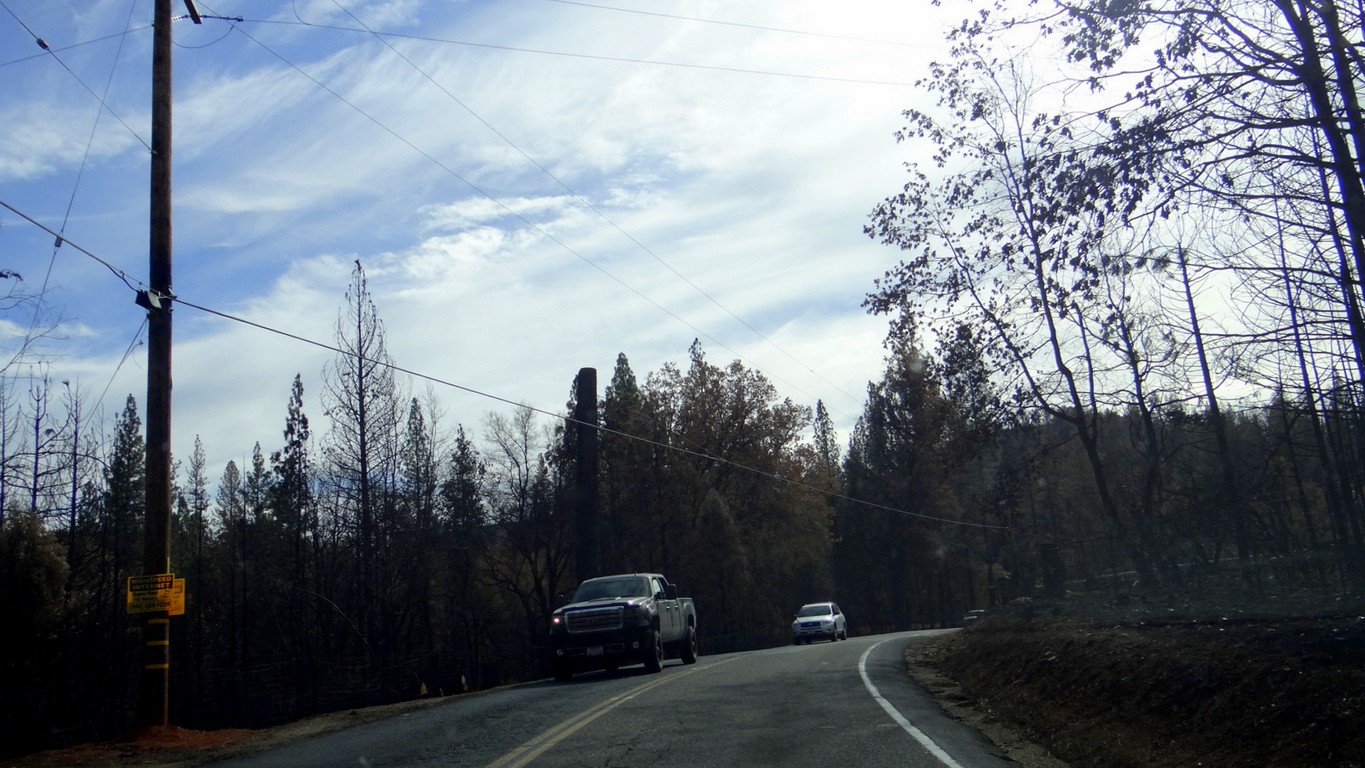
Driving home from Oregon yesterday took seven and a-half hours. As I rolled into the county, local radio announced a burn of 450 acres near Mountain Ranch, the area that took the brunt of the Butte Fire. The Butte Fire is considered the worst for home losses in the state from a single fire.
The day before I left, I managed a quick trip to the local Arts Council Gallery for a look at their exhibit entitled History From The Ashes. DSC08424 (Copy)
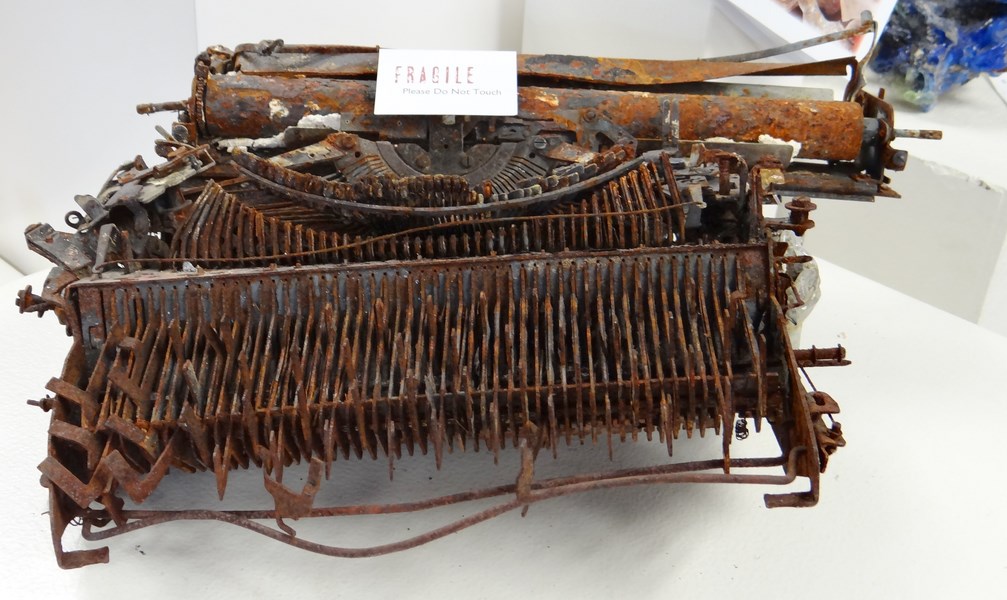
There is no joy in picking up cherished or simply common objects from your burned out property. Mostly sadness, tears and awe that anything recognizable survived the conflagration.
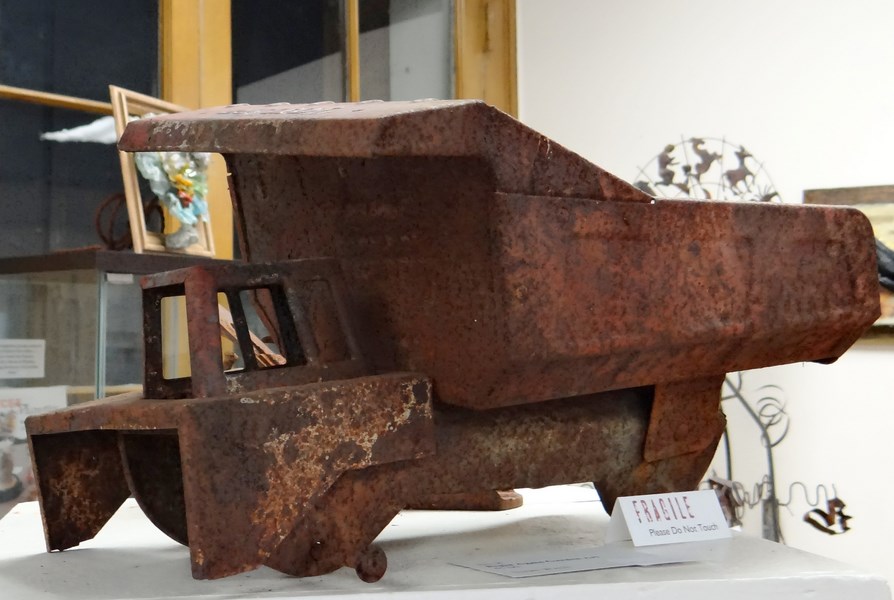
DSC08423 (Copy)
We know art is healing. And there is something about picking through the ashes that must be common to all of us. I watched on television as folks did just that after Katrina. The flood, destroyed as completely as fire.

DSC08436 (Copy)When my house burned to the ground in Michigan, I remember finding  my melted marbles and my mother's  jar full of precious coins. The wafts of smoke coming from the ashes, the strong smell, the bent bed springs and melted cook stove didn't make me give up hope that I might find a heart shaped plastic locket my grandmother gave me that contained a tiny rosary. Of course, it couldn't possibly survive, but my 8 year self believed in miracles.
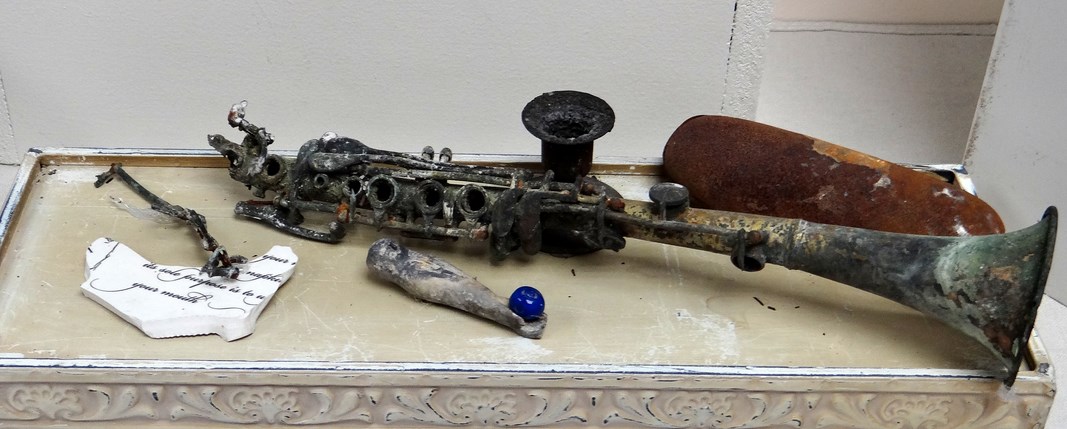
DSC08428 (Copy)
Items found, were given an artful setting of remembrance.
DSC08422 (Copy)
Or put together to form a sculpture or a mobile.
DSC08434 (Copy)
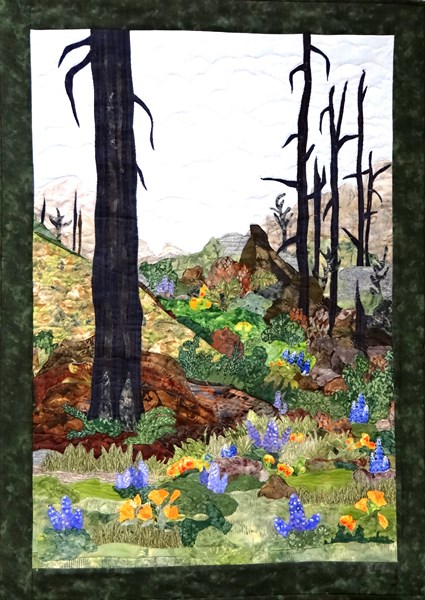
One survivor made a fabric wall hanging, with burned out spars of trees surrounded by wild flowers. A reality, wild flowers, rain fed, follow a burn.

DSC08437 (Copy)
Dead bushes and trees amid new grass on this canvas.
DSC08440 (Copy)
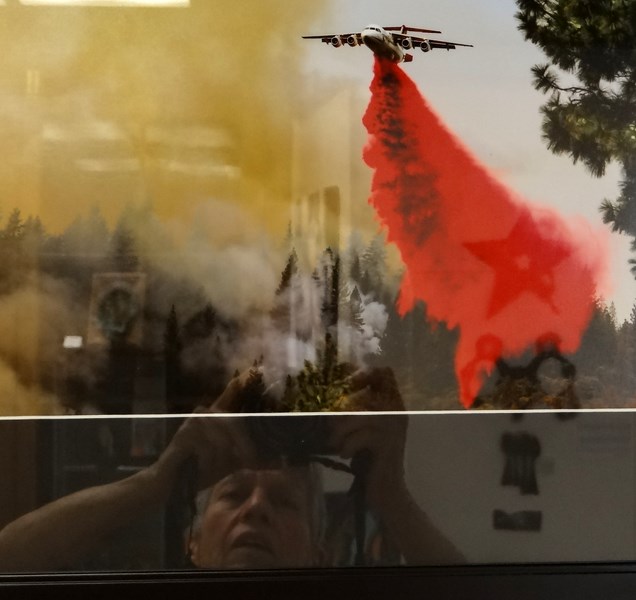
You can see my face reflected in the glass covering a spectacular photo by John Slot of the borate bomber releasing its chemical fire retardant.
DSC08441 (Copy)
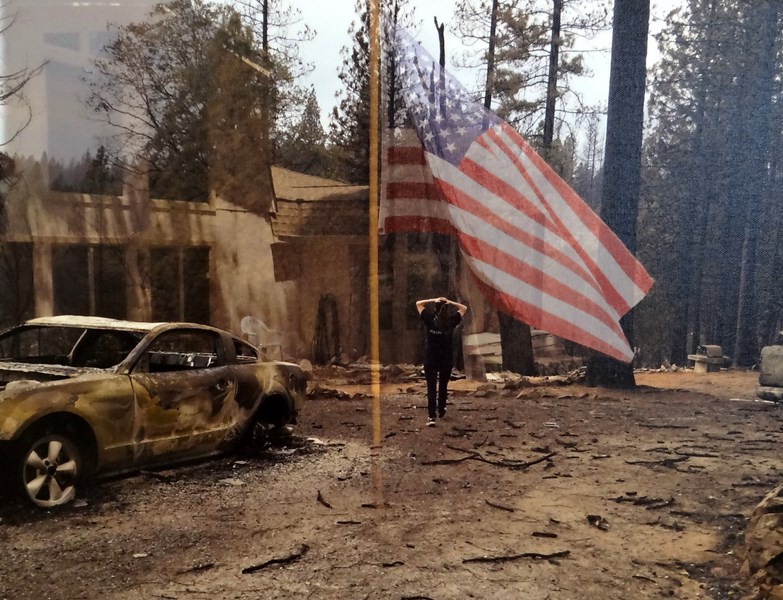
And this photo by Katie Clark of a partially burned home with a surviving flag.
DSC08432 (Copy)
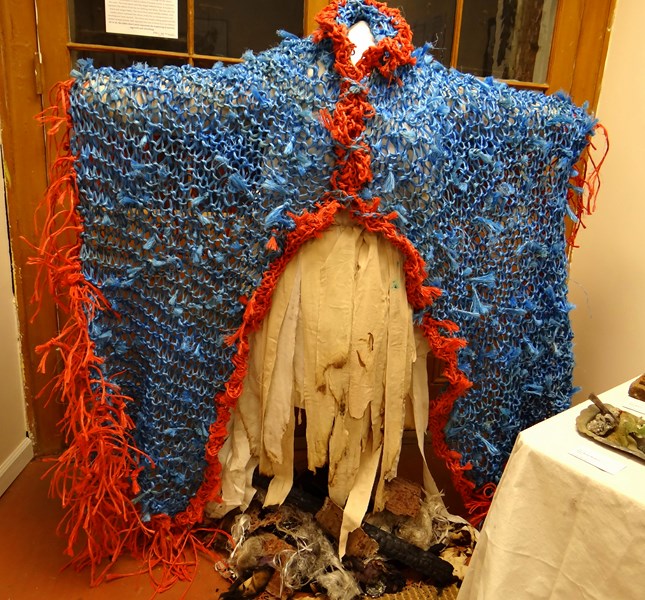
The most spectacular piece in the show is this shawl, positioned like an effigy with burned offerings at its feet. The shawl was made from the ties that bound hay bales distributed to land owners. Hay spread on bare ground, an effort to help prevent erosion. This artist washed and dyed the pieces. She softened them enough for weaving and wove this shawl.
It is a good feeling that something pretty, or remembered or useful rises from the ashes of despair and we can all see through to their recovery and healing, as art surpasses the ashes.

Saturday, October 24, 2015

SIGNS OF HEALING FROM BUTTE FIRE.


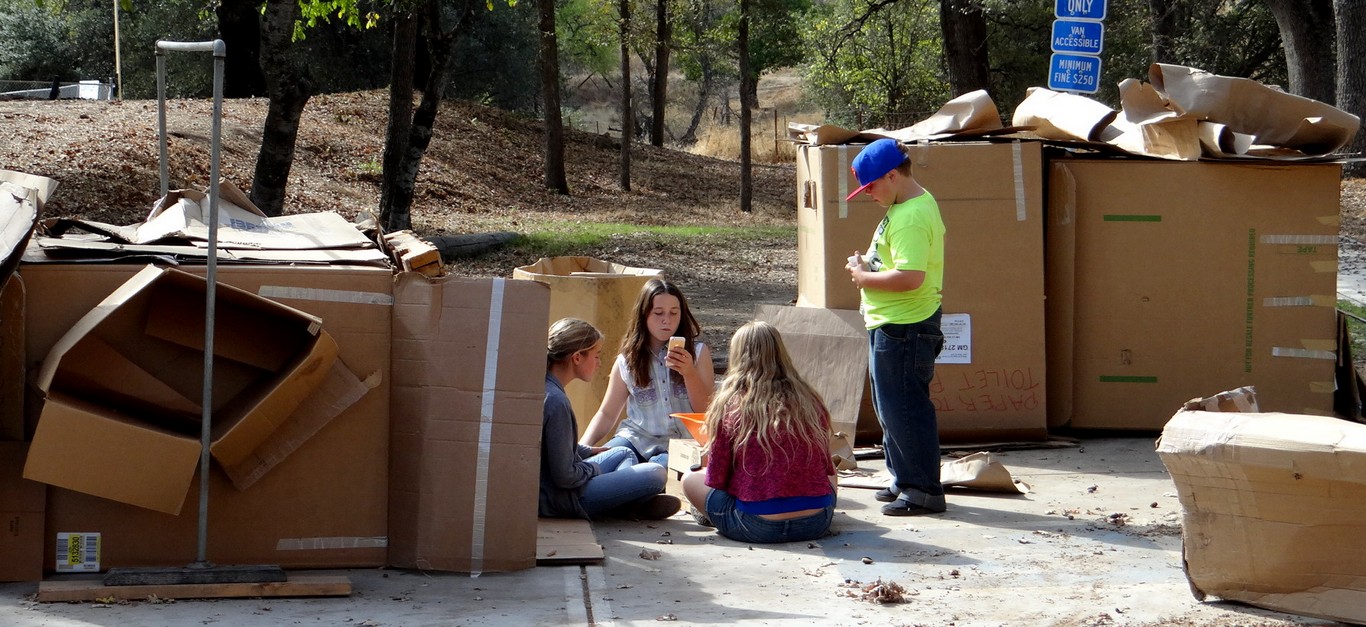
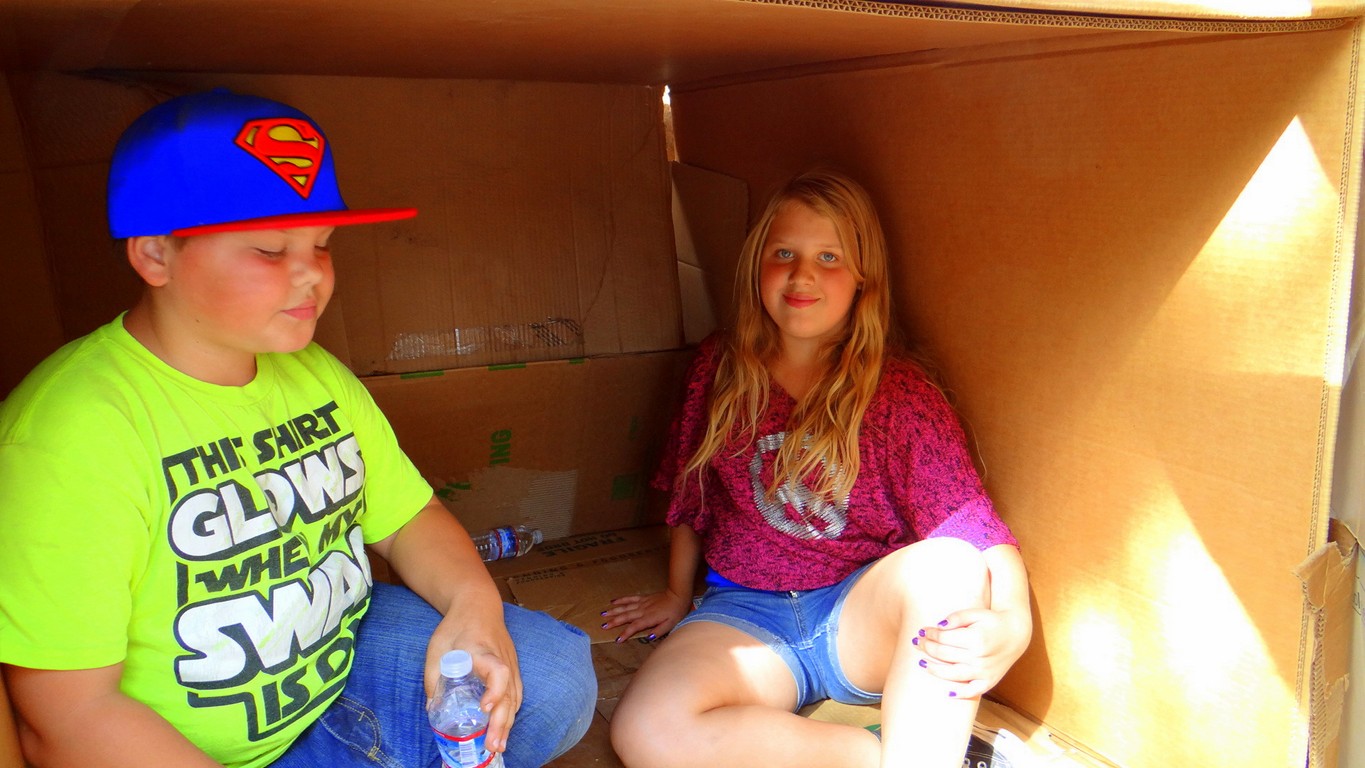
DSC06862 (Copy)The Resource and Recovery Center for the Butte Fire is all but closed. School children are still dropped off at the center where they can get a snack and wait for their parents to pick them up when they get off work. When we pulled in, this is what greeted us.
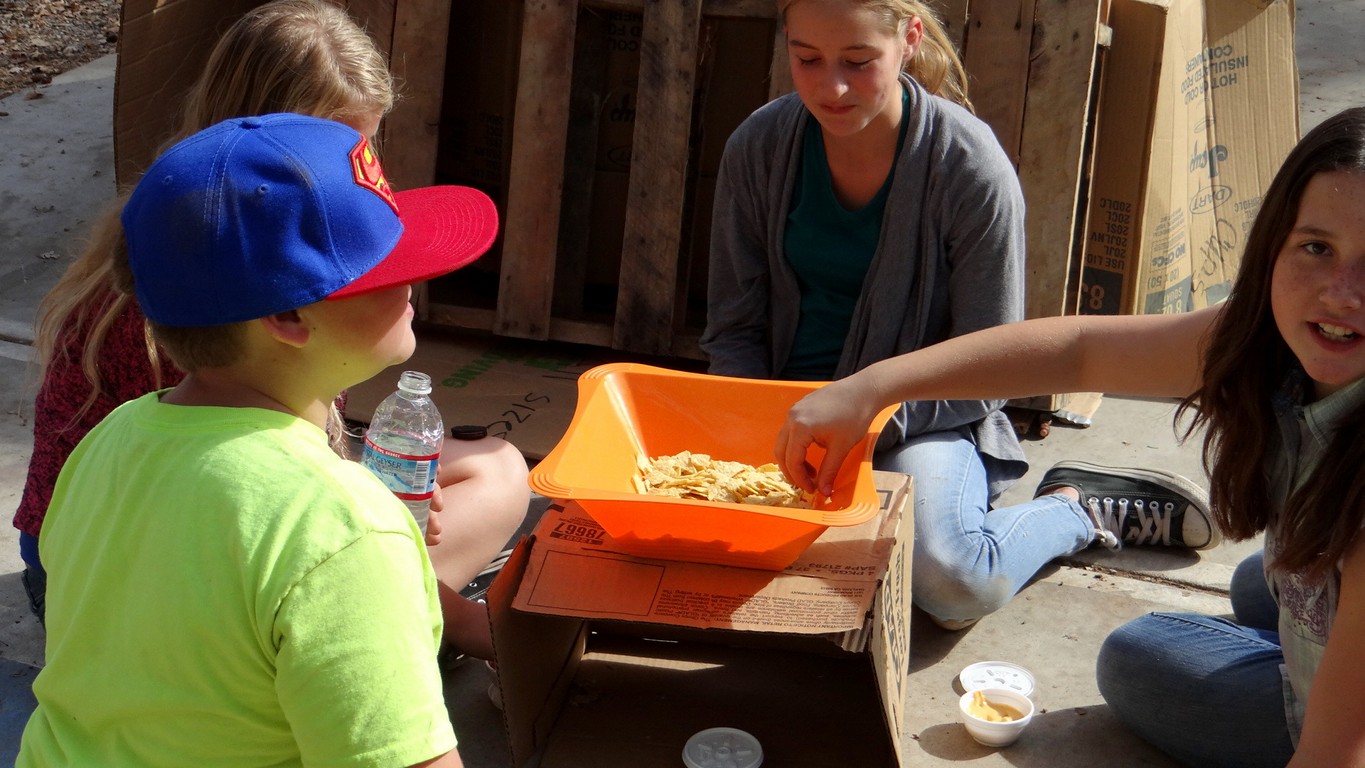
DSC06863 (Copy)Two kids on the left are 5th graders, two on the right are 6th graders, enjoying some chips and dip. They told me they were building houses out of cardboard boxes.
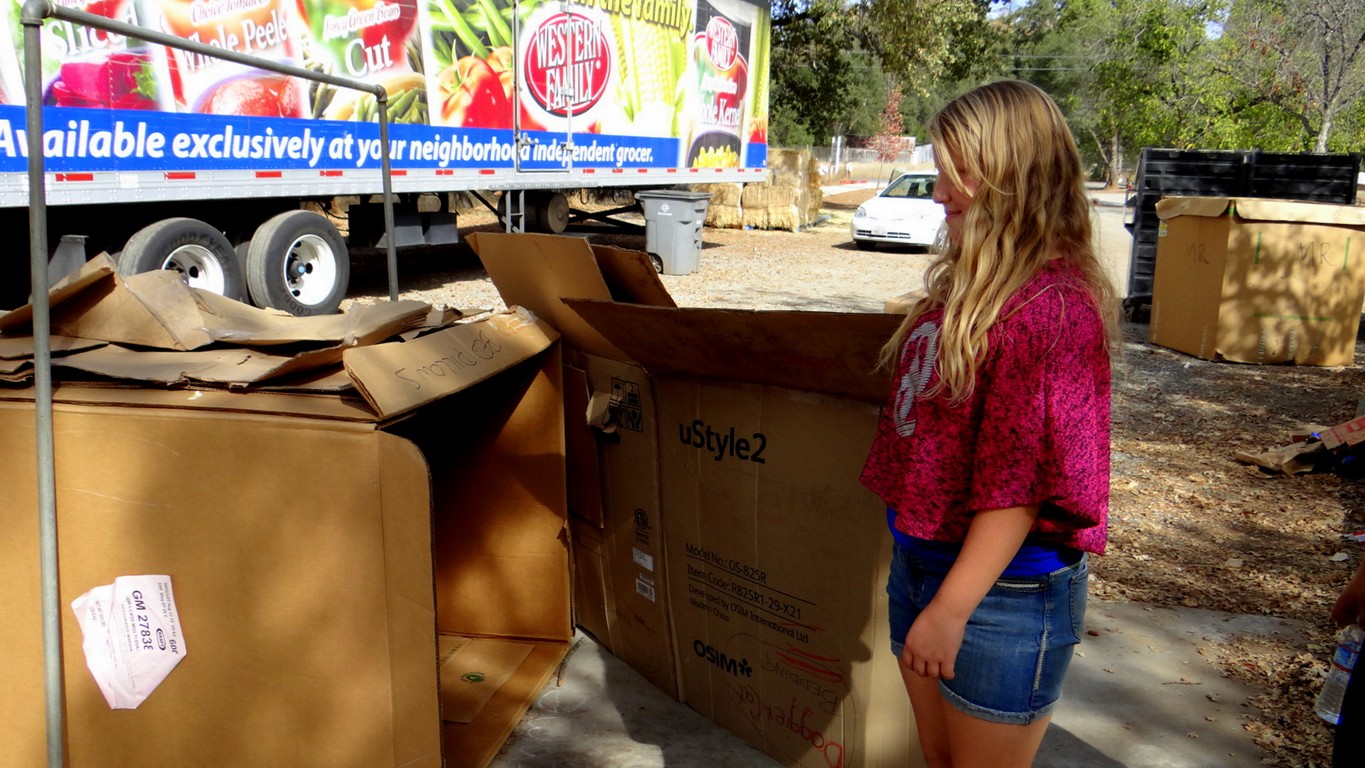
DSC06866 (Copy)A bit crowded to be sure. One girl held the flap open while I took the picture.
DSC06867 (Copy)This is a two room house, they bragged.  I was impressed.
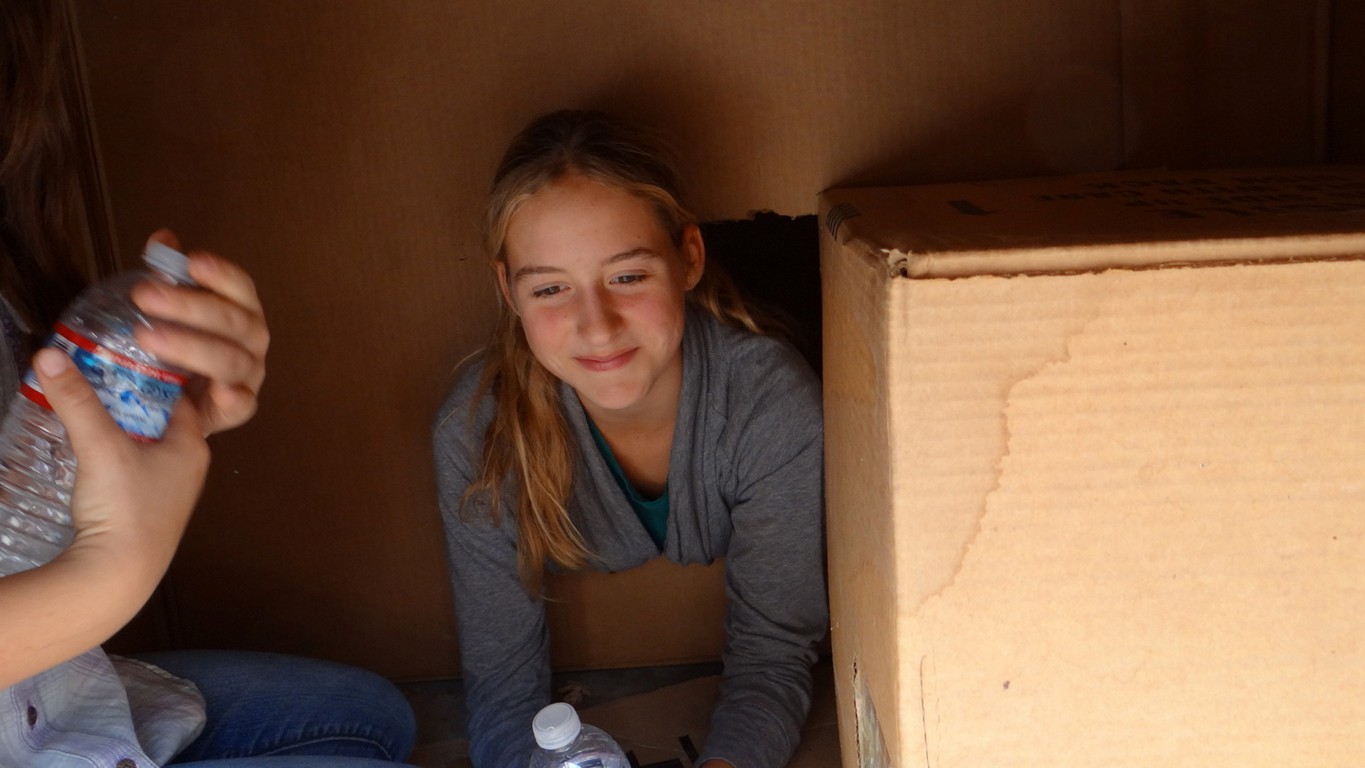
DSC06868 (Copy)The 5th graders invited me into their house.
DSC06869 (Copy)Roomy and cozy.
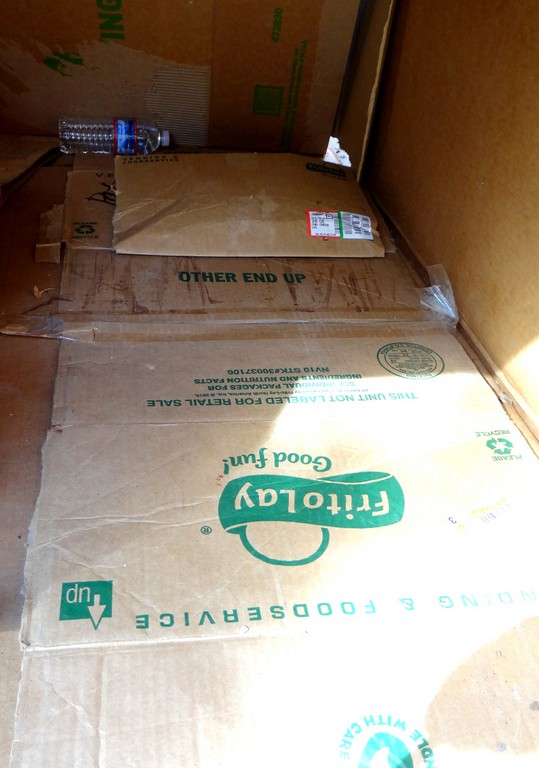
DSC06870 (Copy)They had each made a cardboard bed with a cardboard stuffed pillow and an extra piece of cardboard for padding. Well done. I could see the signs of healing in their smiling faces.DSC06871 (Copy)As we walked away from the kids, I saw a woman watching them and she was hanging back. I told her they were building houses. She said, “I’m so glad my son is building a house. He needs that right now.”  We both got a bit emotional. I could not have predicted how much this fire affected me from my house burning down when I was about the same age as these kids.
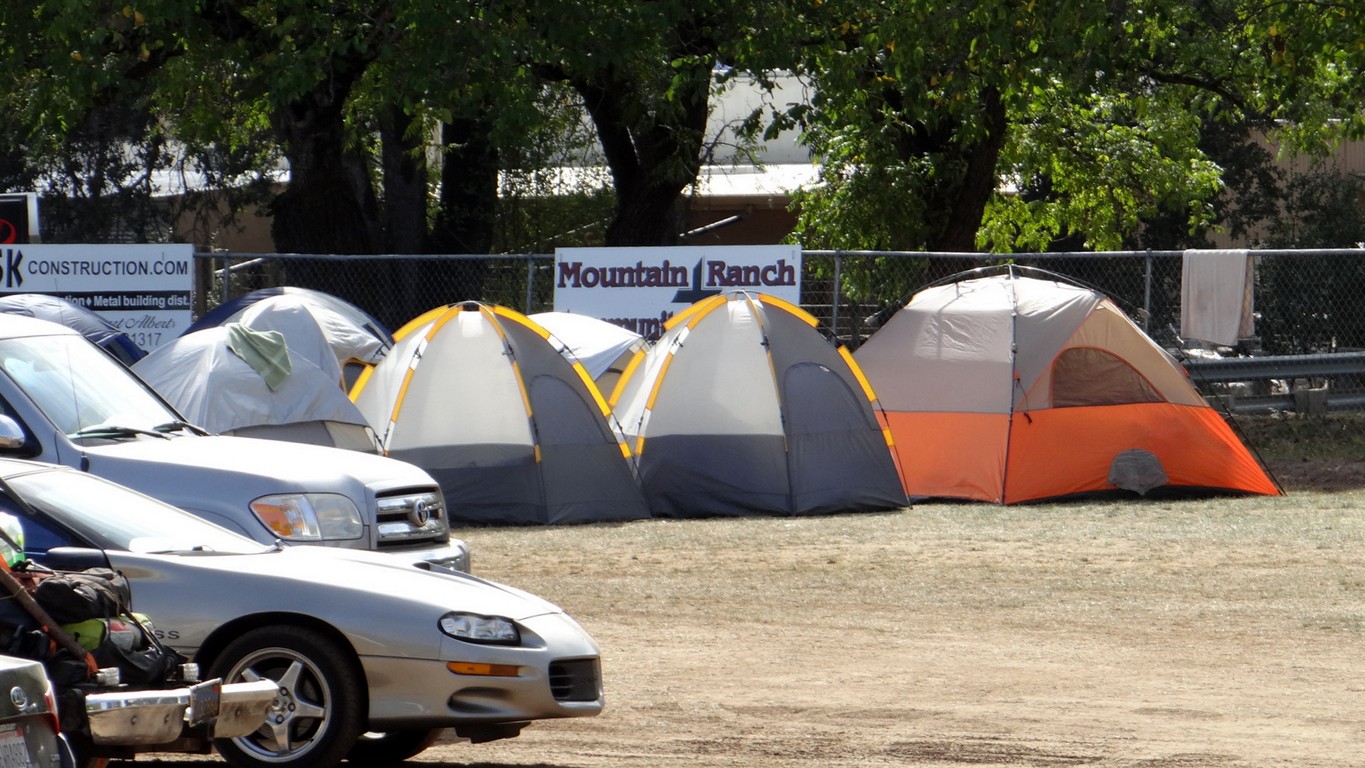
DSC06873 (Copy)At the back of the Center is a tent city.
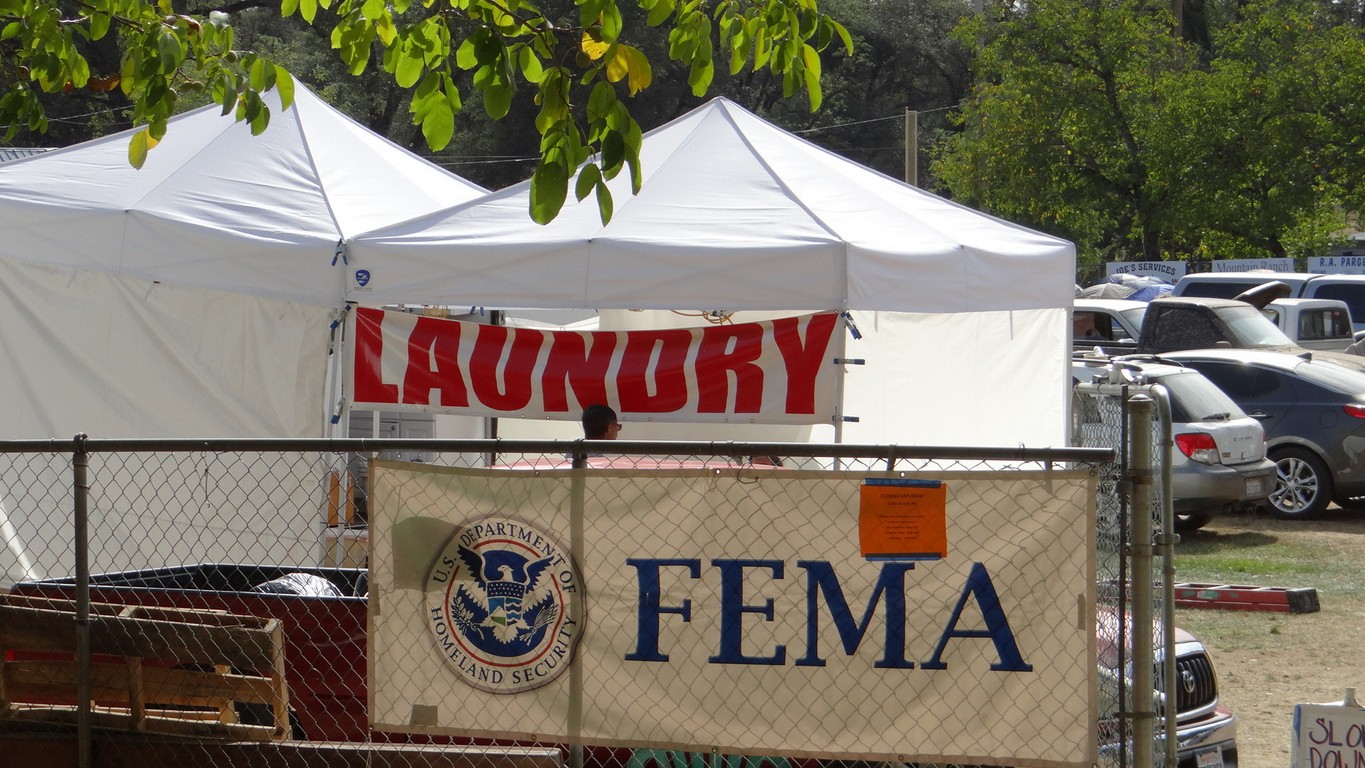
DSC06872 (Copy)A huge truck with washing machines provides laundry. I didn’t see it yesterday, but did the day I had volunteered. A sign also announces the showers are available between 8 am to 8 pm, every day. There are portable toilets on the grounds as well. Not the way you choose to live, but a welcome necessity.
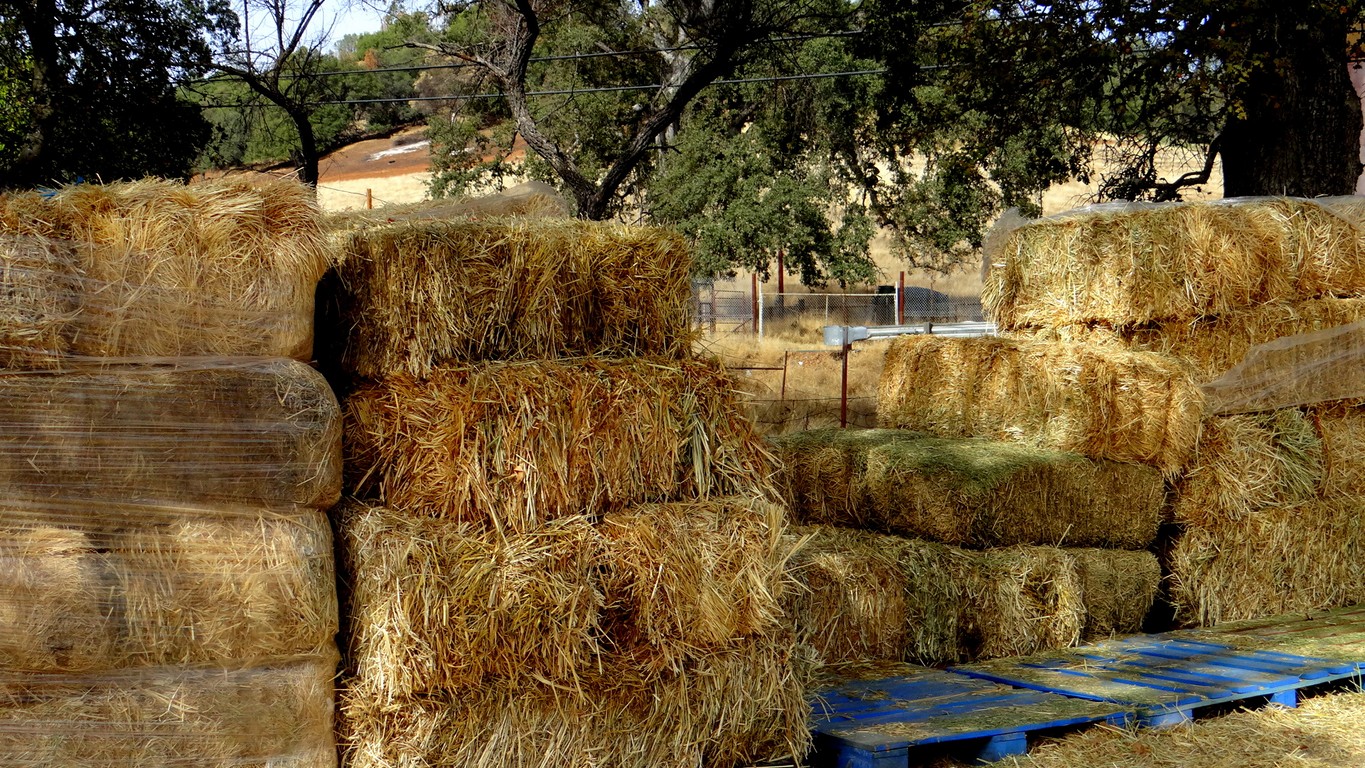
DSC06874 (Copy)Stacks of rice straw are available to burn victims to distribute on their land to help prevent erosion during the coming rains of winter
DSC06893 (Copy)We drove up toward Railroad Flat. Jim got a first hand look at the devastation. One property had a sign, Looters Will Be Shot. Since my son’s place was burglarized during the fire, I could understand their fears.
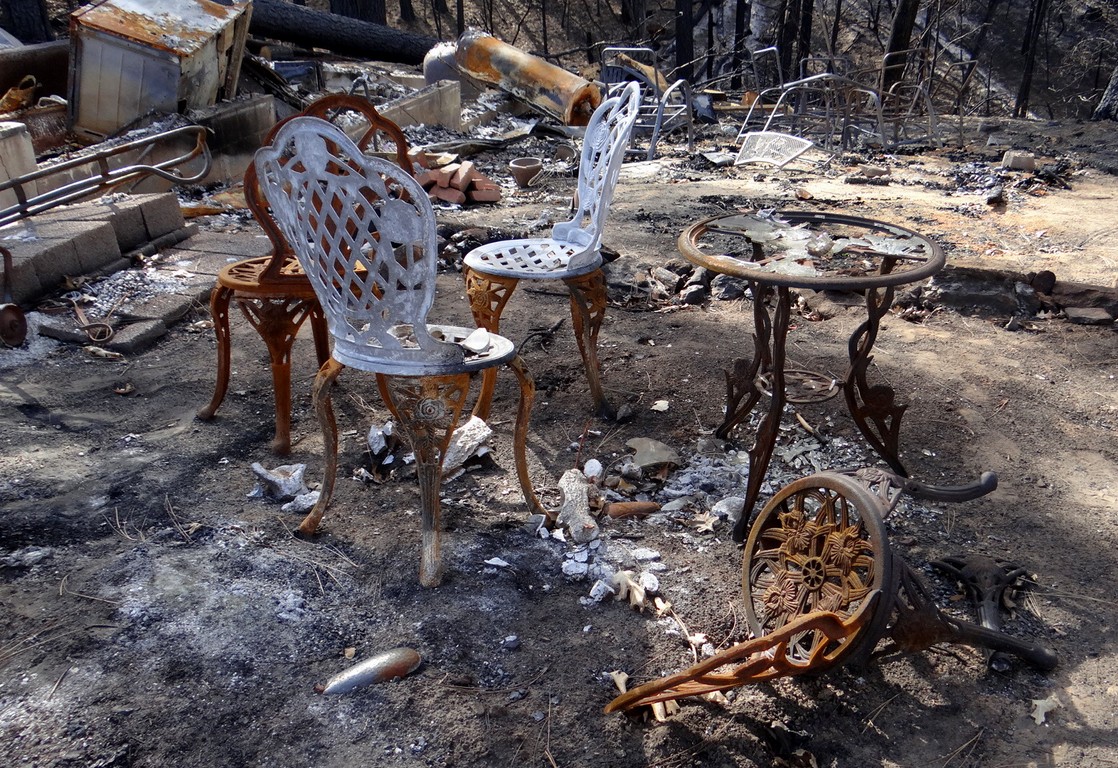
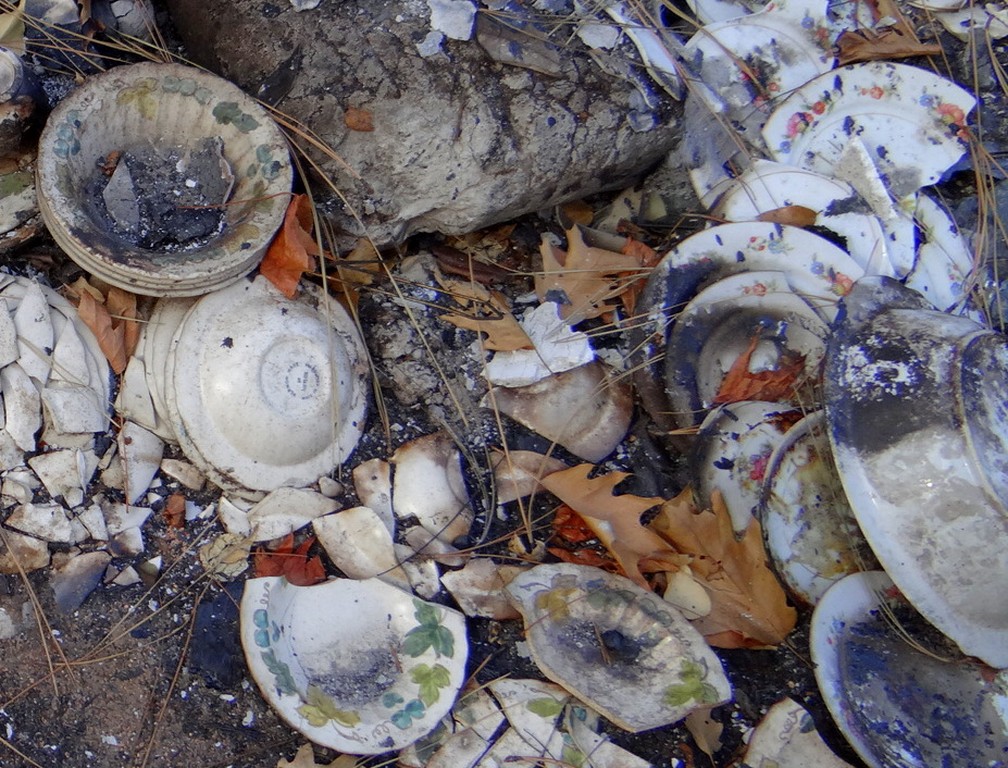
DSC06880 (Copy)This picture really got to me. It was obvious at this site that the owners had gone through the wreckage and pulled things out and stacked them in painful little piles; a reminder of my folks doing the same thing. I remember searching for my rosary I’d just gotten for Christmas. My mother fascinated and tearful over a jar of change she’d been saving where coins and glass were melted together.
DSC06900 (Copy)We were beyond Mountain Ranch and here the power lines in two or more places were still on the ground. You can see the line temporarily attached to a tree to keep it up off the road so cars could pass under. Most of the power poles themselves survived the fire. Jim was amazed that so many trees were still standing. He thought they would be flat on the ground. Of course, many standing will die and have to be removed. Trees with an X on them scheduled for removal. I only saw one large tree with an L on it for leave.  Then we visited the local VFW and quaffed a beer and washed away the imaginary ashes in our mouths.

Sunday, October 4, 2015

THE BUTTE FIRE RECOVERY HAS MANY HEROES.

I received the following letter on Facebook from Mona Baroody relating to my visit to the Mountain Ranch Recovery Center:
Dear Mary Matzek,
Thank you for your blog post in the SF Gate. As a resident of Calaveras County, Butte Fire evacuee (who is lucky enough to be unharmed), community advocate, and staunch corrector of misinformation, I need to provide you with some information.
First, FEMA and Red Cross DID NOT set up the Mountain Ranch Relief Center. The Relief Center was established by a grass roots effort of the community itself, in the midst of losing everything, THEY began to rescue themselves.
Second, many HAVE NOT found shelter, and FEMA HAS NOT provided any temporary shelter. In order to go back to their property, the burned out residents must first obtain clearance from the state that hazardous waste has been removed; to get that ball rolling requires a right of entry form filed with the county Environmental Health, then a wait for inspection, then a wait for help form contractors with proper licensure to actually do the clean up, then a wait for another inspection to provide clearance.
FEMA has been taking registration, and word has it that trailers for fire victims are arriving in Sacramento, but they are for all California Fires, not just Butte Fire or just Valley Fire. And again, until the property is cleared for habitation, they will not place residences.
I find it important to provide these facts because if people believe we are okay they will not help us keep pressure on the bureaucracy that slows our recovery.

Then, I received this letter from Jon Myatt on that same subject:

Hey Mary. As a resident of Amador County and a former emergency management PIO, let me apologize for the rough treatment you received from readers in response to your article. I have followed social media strings and read letters to the editors of both county newspapers and have to shake my head at some of the immature and uninformed responses to the actions of state and local emergency services agencies and the news reporters covering the incident. I have been a part of hundreds of disasters in my 40 plus years in the field and never have I seen so much uninformed criticism from victims and observers. That there is an underlying distrust and dislike of state and federal government in these counties is undeniable. The over reaction to your statement about FEMA and the Red Cross establishing recovery centers is an example. You were correct in that they DID set up centers there. However those that responded to you were hung up on the chronology of events and with who gets credit for responding immediately, which was not anything you were intending to document. It doesn’t matter who got there first except to people for who this is their first major disaster and feel the need to be recognized for it. So don’t take it personally. Many people here understand how this incident went down and how the state and its many partners responded to it. I enjoyed your article. And thank you for your support.
I thank you both for your letters. I was wrong when I said that people have fema trailers, they do not at this point. I met with a burned out friend on the day I took my stuff to the Recovery Center. She and her husband had been that morning to her property with a Fema rep to verify their burned place. Then they had paperwork to fill out and they were told the extent of Fema’s settlement for them.  In the news, it stipulates that Fema, with the victims permission, will, without cost, clean up the mess for any victim.  I’m guessing that means removing solid debris with a buldozer and hauling it away. 
Another friend gave a Fema rep at the center names of people to contact who she knew needed help with grants.  At the Recovery Center Office, I saw a group of people on the outside of  the park chain link fence. I asked about it and was told by the Office Manager at the Red Cross? or Fema Office? that they were a local volunteer group that had begun their own  recovery action.  So, pardon my confusion. I didn’t pointedly ask at the office, are you a Fema person? Or are you a Red Cross person?  All I knew is that people were rushing all over the place, working hard and directing traffic and directing me where to deposit my goods. And, Fema and the Red Cross were very much on task, feeding people and trying to keep things organized.  I expect the group I asked about was who Baroody mentioned,  set up to help themselves and each other. Isn’t that the way communities do it? They help each other. But without Fema and Red Cross, the effort would not have been as far reaching and thorough.
While there, I heard complaints about too many chiefs and not enough Indians. There is bureaucracy, and maybe even a waste of manpower in the way they work. But without them, the recovery effort would be stunted and much less powerful.
It seems to me, that in a disaster there are many heroes and we should concentrate on the positives and give feedback about the negatives to the agency involved to leverage change. I’m still trying to put my own house in order and I wish I could do more. Thank you both for your perspectives on fire recovery.

Thursday, October 1, 2015

BUTTE FIRE RECOVERY CENTER

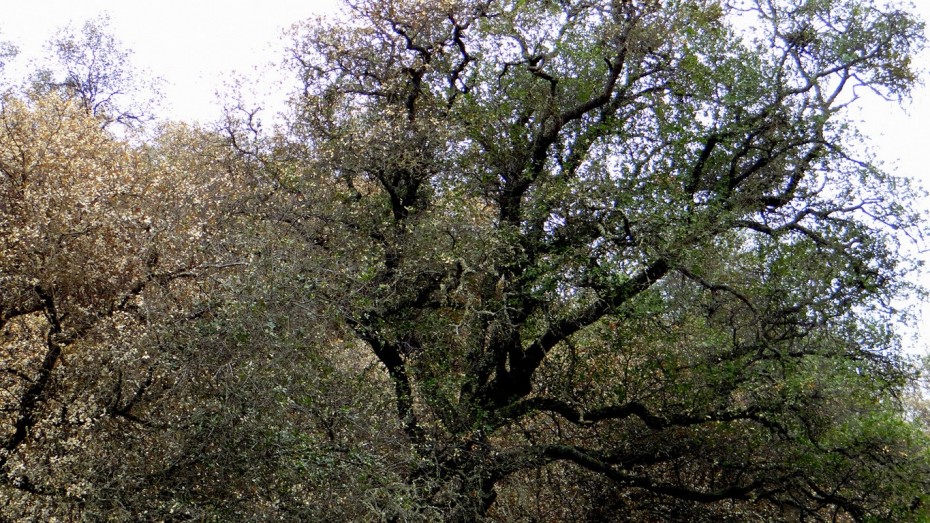
DSC06718 (Copy)Yesterday, I drove to Mountain Ranch to the park on Whiskey Slide Road where Fema and the Red Cross have set up a fire victim recovery center. Mountain Ranch Rd. was filled with traffic with 3 major stops for road crews re-establishing power lines to the area; removing dead debris from the road, and cutting dead roadside trees with potential to fall on the road.  Mountain Ranch Rd winds treacherously through the canyon without much shoulder space to stop.  At each forced stop, I took a picture from my window. It always baffles me that one tree still has green leaves while the next one is almost completely brown and scorched.
DSC06717 (Copy)
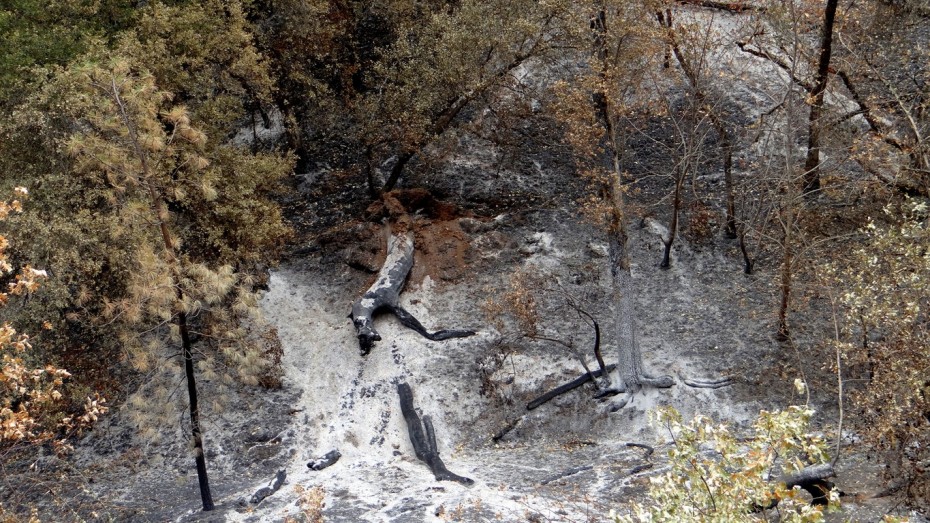
Somehow, when a fire goes through an area, I’m not alone in thinking that everything is burned down to the ground.  I’ve seen devastation like that. There is plenty of ash, and plenty of dead trees to come from my very limited view.
DSC06719 (Copy)
In the foreground on the left is a small blackened pine. Pine trees will die in a fire like this, but many of the oak trees, if given a chance, will survive. I don’t understand fire science and what makes this a hot spot where big trees burned and other areas are islands of green. Recovery is better when trees, are left standing, and even some dead ones left on the ground to hold water and gather clumps of washed dirt against them to aid in regrowth and insect activity.
DSC06720 (Copy)
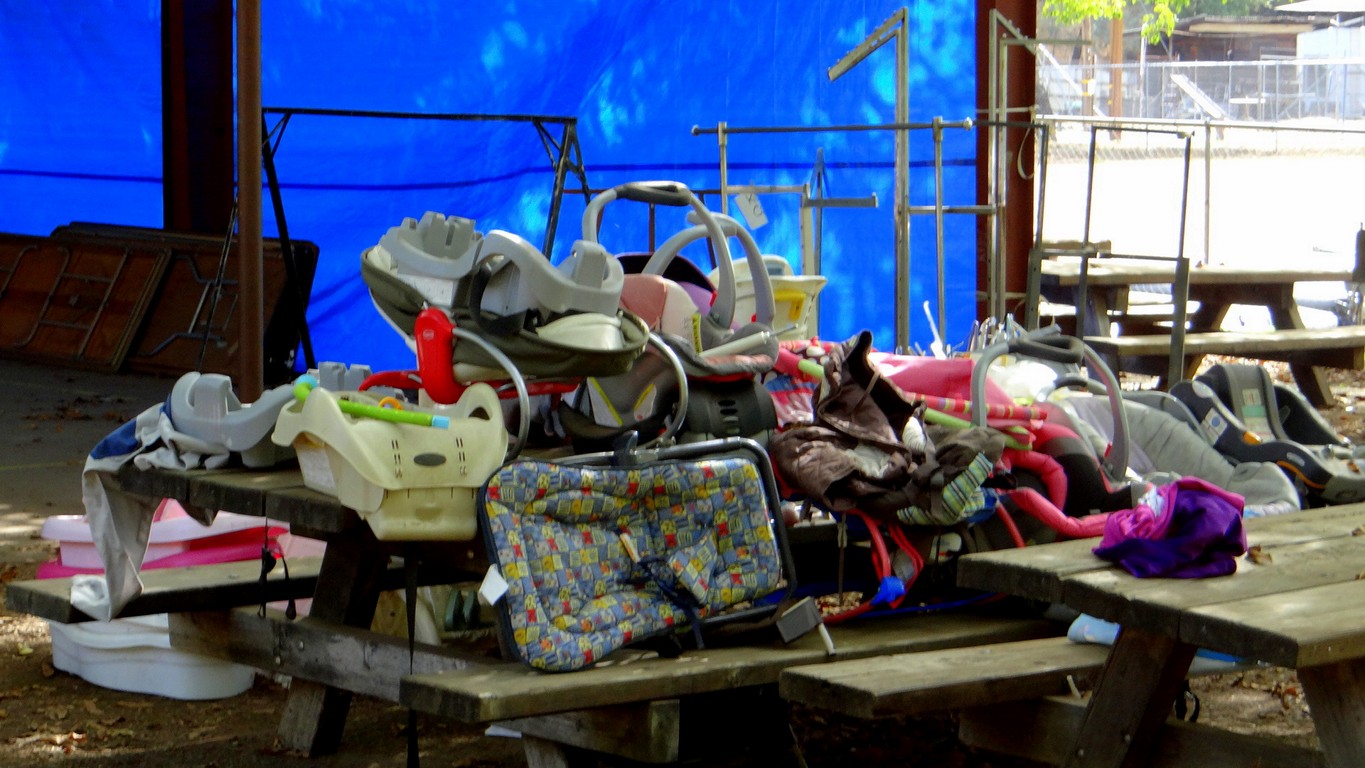
At the park, I took this picture of mass, organized chaos when I first arrived. Then, it was a matter of slowly making my way around the park to drop off the carload of items I brought. Soap and shampoo one place. Black garbage bags another. Charcoal, boots, medications, paper plates, toilet paper, jackets, toys, pants, shirts, books, belts, scarves…
Before I returned to the site above the four pairs of boots I had left were already gone. One guy told me, “Oh, thank you. I have such trouble finding size 13.”
They aren’t accepting appliances or furniture until people have power and shelter to put it in.  Many have found places to stay. Some are camping on their property or are in Fema trailers. 545 houses burned.  State Farm has set up a Disaster Recovery trailer in San Andreas where people go to file their claims.
I worked hard; never getting a chance to take more pictures. I met a couple from Manteca and another from Modesto who came to help. The community of volunteers from Mountain Ranch was fantastic, practical and upbeat.  Then, late in the day, about 3:00, word came that rain was expected. Then it was a matter of getting tarps under all boxes of sorted clothing so wet couldn’t seep into the boxes. And covering them from the top with rolls of Visqueen plastic. I returned home late in the  day completely exhausted. Today, I’ll work on getting my own stuff back on shelves, that my kids removed for me. Sunday, my oldest son will bring back a van load of genealogy, family photos and records from his garage in Valley Springs.

Tuesday, August 18, 2009

FORMER LUSH IN RECOVERY


Mt. St. Helens is 1300 feet shorter than she was in 1980 before being cracked by an earthquake that created a horizontal blast of millions of tons of debris, ash and hot singing winds. Mt. St. Helens is 29 years into recovery.
The eruption began with a debris avalanche that buried 14 miles of river valley to an average depth of 150 feet.
The blast killed trees up to 17 miles north of the volcano.
A vertical ash eruption rose to a height of 15 miles above the crater and spewed for 9 hours.
Fiery flows of pumice, hot gasses, cement like slurries and boulders moved into the valley north of the crater.
It changed forever the landscape and the importance of the Gifford Pinchot National Forest.
The area around Mt. St. Helens was a veritable moonscape of flattened dead trees, eerily all fallen in one direction. Trees beyond that perimeter were scorched to death and many of those dead won't give up their hold and stand today as monster spars.

In 1982, congress made the area a monument to study the geologic affects of the volcano for education and provide the public access to the area. There are 200 hiking trails, new lakes, an interpretive trail telling the tale as you drive the road to the last overlook at Windy Ridge. A non-profit institute also works to provide visitors with information and recreational opportunities.
With beautiful weather, 84 degrees, we followed the interpretive trail for stunning views of the landscape of recovery.
At Spirit Lake, log jams 600 feet deep are still visible.
A rusted car where one miner died is still on the trail.
This is a must visit for anyone traveling in this area. 150 new lakes were formed by the volcano's eruption. There are 200 hiking trails for visitors. The U.S. Study has had many areas replanted and some are left to recoop without assistance and the comparisons are stark. The wildflowers and small plants have made a beautiful comeback on their own everywhere. The monster spars have a beauty of their own.

My partner, Jim visited Mt. St. Helens in 1985 when recovery was 5 years young and has eleven pictures showing the process of recovery at an earlier time to compare with pictures from our visit yesterday at http://ramblinmanjimj.wordpress.com. Signal is difficult and my 16 pictures wouldn't load into an album.
It defies reason why one computer will load photos and another won't when sitting side by side. Electronics. Who can understand them?