Showing posts with label wolves. Show all posts

Wednesday, November 4, 2015

THE SIXTH GREAT EXTINCTION.

We are in the midst of the sixth great extinction on ear. The sumatran tiger went extinct this year. It is 2015 and we are losing large predator animals. Extinctions of birds, insects, amphibians and smaller mammals almost go unnoticed among the thousands of species we've lost.
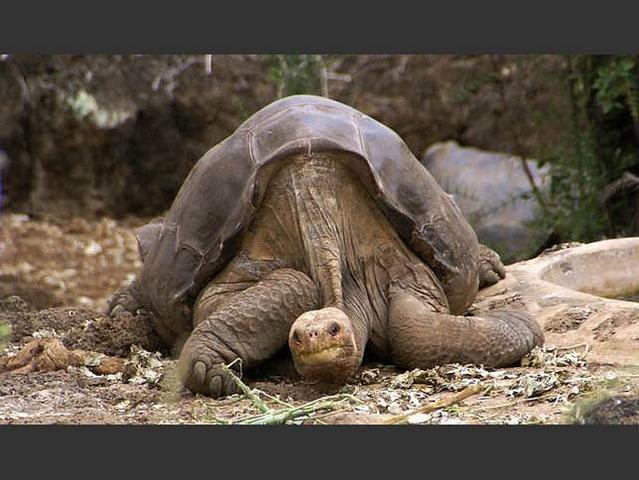
20120720-lonesome-george-pinta-island-tortoise.jpg.644x0_q70_crop-smart (Copy)
This is lonesome George. A pinto Island tortoise that went extinct in the mid 1800s. George was discovered in 1971, the last of the breed. He lived until 2012, the only one of his kind.
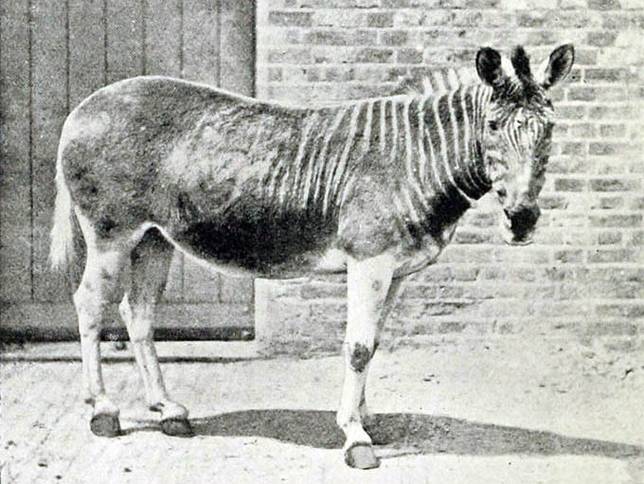
20120720-quagga-london-zoo.jpg.644x0_q70_crop-smart 
A quaga. The face of a giraffe, the stripes of a zebra and the hind quarters of a horse.
20120720-seychelles-giant-tortoise.jpg.644x0_q70_crop-smart 
Another giant tortoise, the seychelles. Their biggest fault is they taste good and were easy to catch.
20120720-thylacine.jpg.644x0_q70_crop-smart
A thylacine. I would have liked to have seen one of these in a zoo. A ferocious predator you wouldn't want to meet in the wild.
20120720-barbary-lion.jpg.644x0_q70_crop-smart 
A barbary lion, with a unique looking tufted mane.
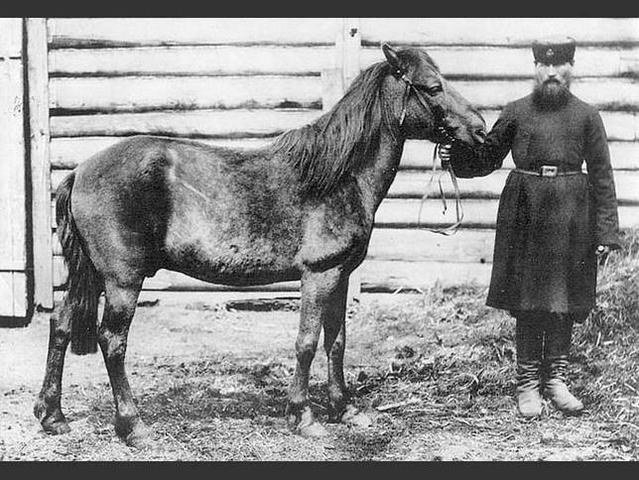
20120720-tarpan.jpg.644x0_q70_crop-smart (Copy) 
An Asian tarpan, a small wild horse that stood only 5 feet tall.
We've lost forever two amazing tigers, the caspian, the largest tiger ever seen and the smallest, the Bali tiger, no bigger than an average dog.
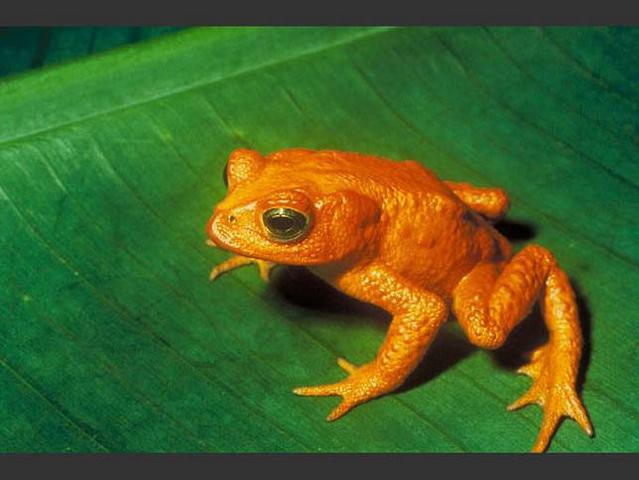
20120720-golden-toad.jpg.644x0_q70_crop-smart (Copy)
The beauty of the golden toad lead to its extinction in 1989.
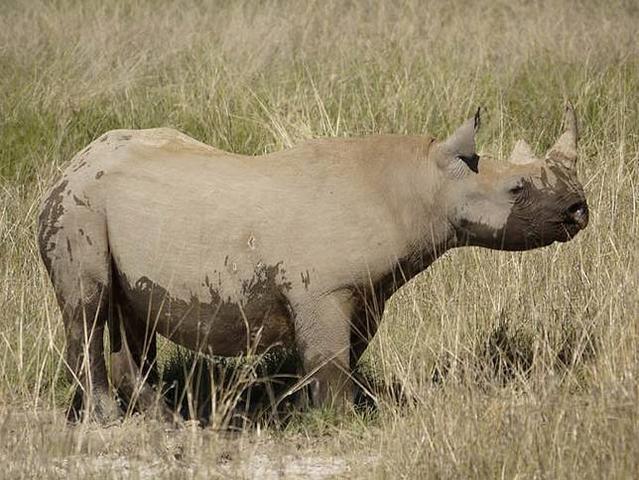
20120720-black-rhino.jpg.644x0_q70_crop-smart (Copy)
The black rhino gone-2011. We know that the Chinese superstition that powdered rhino horn is an aphrodisiac is what is responsible for the wholesale killing of rhinos, like elephants for their ivory. Elephant losses are frightening. Will they be next?  Only in zoos?
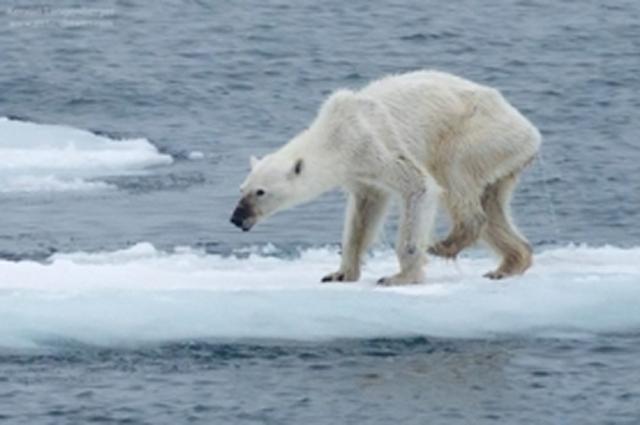
66323BFC-025A-4C10-946F49E6AA037CD6_article (Copy)Or will it be the polar bear?

With climate change, acidic oceans and rain, many fish and ocean animals endangered. Will various populations of humans go extinct for lack of food? I think that is a fair question.

A man... I'm remembering his name as Wilson, conceived the idea that we should return half the world in every country to its original wild condition. We've certainly made great strides in rehabilitating some of our most egregious mistakes, like the buffalo, grizzly bear, wolves, eagles. Wouldn't that be neat? 

Saturday, August 15, 2009

WATERMELON SNOW

Our rainy day drive to the North Cascades National Park brought us to the visitors center at Newhalem.
Repeating myself, I'm in awe of the wonderful parks in the State of Washington, probably because I'm from California where our underfunded STATE parks are beginning to look bruised and abused with volunteer docents and no money for materials. Of course, this is a National Park and the interpretive displays are stellar. We decided not to take the river loop hike given the unpredictable weather and no rain gear. I cheated and took pictures of some of the displays instead. I'd heard of pink snow while visiting Alaska, but never watermelon snow. It is a phenomena of snow algae that attracts a worm. The above photo shows a bird feeding on the worms. Some worms and bugs are blown up hill out of their own element and supply food for birds. Isn't science wonderful?
This is a copy of a photo of a deer drinking in the river. I wish I could credit the original photographer, but, in any case, it comes from the displays.
This is a mock up of perpendicular glaciers on the steeps of the Cascades showing the hoof prints of a mountain goat.
Closeup of a gnarled tree, stunted by the wind and thin soil of high elevations. The photo exhibits were wonderful, but the highlight of the center was a 25 minute film about the Cascades and its inhabitants. It emphasized the closeness of the native peoples to the land; their life in harmony with nature; the beauty and grandeur of the mountains and the animals, birds and plants that call it home.
The Cascades are so steep and remote it is one place with less footprint by modern man than others. In fact, the grizzly and wolves are being re-introduced to the Cascades with some notable success. Salmon were naturally blocked on the upper Skagit and the dams here did not affect them as much as in other rivers.
During Chief Seattle's time, life revolved around the Eagle, Grizzly, Wolves, Owls and Salmon. The native people respected their animals, the storms, the seasons, the plants, in such a way they are indelibly stamped with the spirt of them for all time.