Showing posts with label mint parties. Show all posts

Monday, October 25, 2010

INDEPENDENCE HALL QUILTERS OF ARNOLD, CALIFORNIA

This weekend past was the 33rd Annual Mountain Heirloom Quilt Faire put on by the Independence Hall Quilters of Arnold. In 1976, for the Bi-centennial Celebration, cities and counties across the nation were encouraged to choose projects representative of our colonial past to help celebrate the Bi-centennial. In Calaveras County, the most lasting tribute to that celebration is the Bicentennial Quilt made that year by about 12 women who quilted together at Independence Hall in Arnold.


 This amazing quilt was put together with thoughtful consideration for each community in the county, exemplifying the special attribute of that place in 18 blocks. Mark Twain is rendered writing his famous story of the Jumping Frog Of Calaveras County.

Old time firefighters from Mokelumne Hill.

 The famous bandit, Black Bart was jailed in San Andreas, the County Seat. The document is readable, it is so finely worked in thread.
 Because gold mining is part of our heritage, the blocks were sewn into a background of gold material. 

 The bald eagle of the United States flys above; the center of the quilt holds a Bear Republic Insignia and the Insignia of the County of Calaveras. All of this took permissions from the artist who designed the Insignia and from the county. What an undertaking; what a successful and beautiful endeavor. 

As I reminisced over the various blocks two people were attempting to find the five frogs on the quilt. Four of them are pretty easy, but the fifth one is difficult to find. Who thought to put a bit of mystery into the quilt?
The great part of this affair is that the Independence Hall Quilters formed their group and have become one of the top quilter's guilds in the nation. They have maintained, over those 33 years, a huge membership that hovers between 250 and 225. Like a family, they work together, socialize, learn new techniques, teach and revel in fabric art. 
Their Faire is as unique as they are. Quilts on display can never be repeated. Thus a conservative estimate of 3,300 quilts have been exhibited by countless numbers of quilters over the years. Also unique to this Faire is the antique "heritage" props the men and women of the group arrange to enhance the quilts displayed. There are male quilters, but these men are the husbands who have become involved in the undertaking along with their wives.
The couples enjoy a set-up party; with music and great food. They do the same in reverse as each year the quilts are taken down and their owners come to pick them up. Some come by UPS and are returned the same way.

 Besides the quilts and props and parties, the quilters sew a challenge quilt, a raffle quilt and provide multiple quilts for the Ronald McDonald House and Habitat for Humanity. They provide quilts for those in need locally as well. The money they earn from their Faire provides student scholarships. What a wonderful bunch of empowered women. And it all started with this quilt. 

Saturday, February 20, 2010

LOUISIANA MINT, ST. LOUIS CEMETERY AND A LAUNDROMAT

Just inside the door of the historic Louisiana Mint, you see a picture of a lovely young woman, Josephine, the daughter of the mint’s first administrator. I would never have thought that he and his family had quarters in the building. When his daughter’s had their coming out parties, all the leading citizens were guests inside the Mint. Not that they were sitting on top of piles of money, or anything. Guards stayed at the door during family parties. It gave a charming touch of humanity to the staid subject of making money.

And, I was surprised to learn that women worked at the mint. They examined, weighed and filed the edges of coins that were overweight while sitting in chairs with leather aprons attached to the table so not to lose one bit of precious silver dust. In minting money, it was thought some tasks were better performed by the small hands and delicate touch of women. Good for them!

This calculator called The Millionaire could calculate to the millions, an awesome sum in the days when bread was 5 cents a loaf.

No matter how you look at it, money is heavy stuff and it required a steel wheeled cart to move it around the building in strongly constructed wooden boxes. First made into placques, then given an edge, then stamped on each side. All coins were made individually at first.

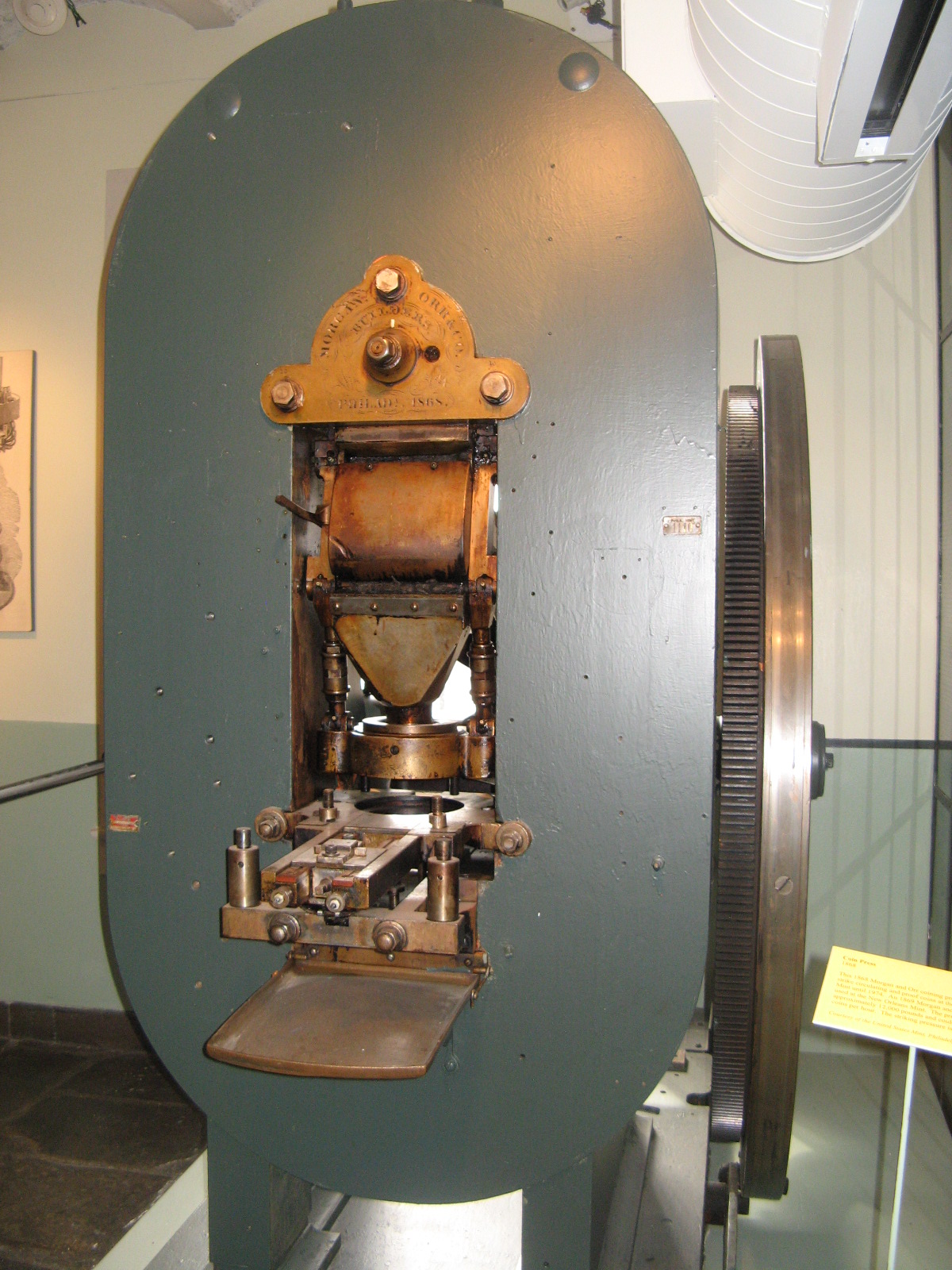
The mint was actually commissioned by President Andrew Jackson because hard currency was needed in the area for building the west. Again, coin is heavy and must be safely transported to where it is needed. In later years, the machine above could put out thousands of coins per hour. It rolled the edge and stamped both sides at once with 200 tons of pressure. I guess that’s why they call it hard currency.

Louisiana’s government decided to secede from the Union and joined the Confederate States of America. They took over the coining of money for a short time until the Civil War put the mint back in the hands of the United States. The Louisiana Mint was the only one to produce Confederate Currency.It closed in 1909.

Next, we visited the oldest Cemetery in New Orleans, St. Louis Cemetery No. 1. Graves here are above ground because the water table is so low. The crypts are broken open when another family member dies and desiccated corpses are moved from their drying “beds” to make room for succeeding generations. That way, they can hold many generations. Some crypts, like the one below, are burial places of honor for people who belonged to a particular group, such as Nuns or Priests of the same parish. This old cemetery has been ravaged by weather and many

of the crypts are being refurbished.

The best kept crypts are those surrounded by a sturdy fence which suggests the graves here have been vandalized over the years.


This bouquet of roses and a heartfelt valentine were taped to this stone from a tearful husband to his beloved wife.

The movie, Easy Rider, used this particular crypt for a movie scene without asking permission of the Arch Diocese. When the movie came out, people who knew this place were aghast at the disrespect shown. New rules were penned forbidding any such activity in a Catholic Cemetery.

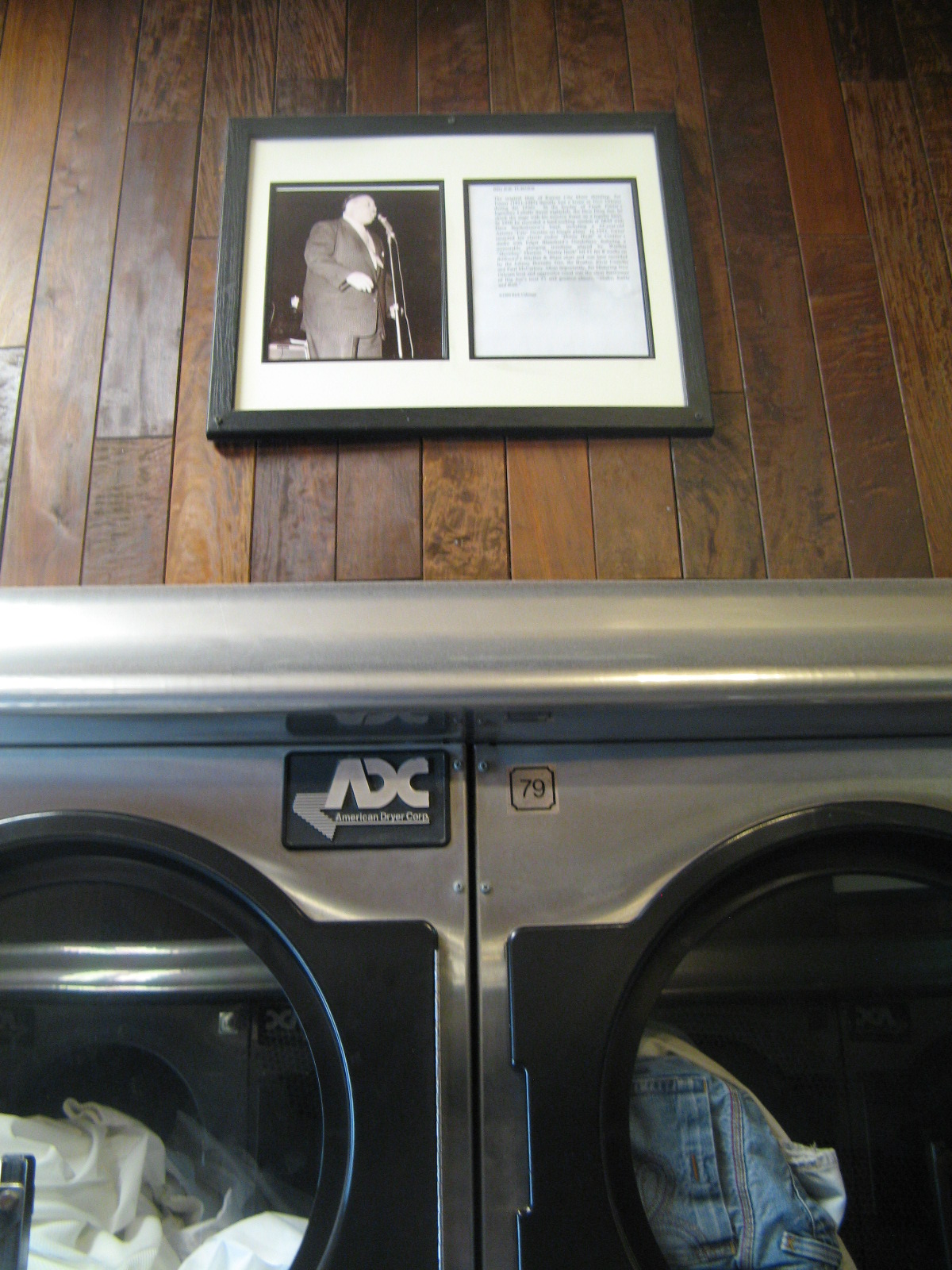
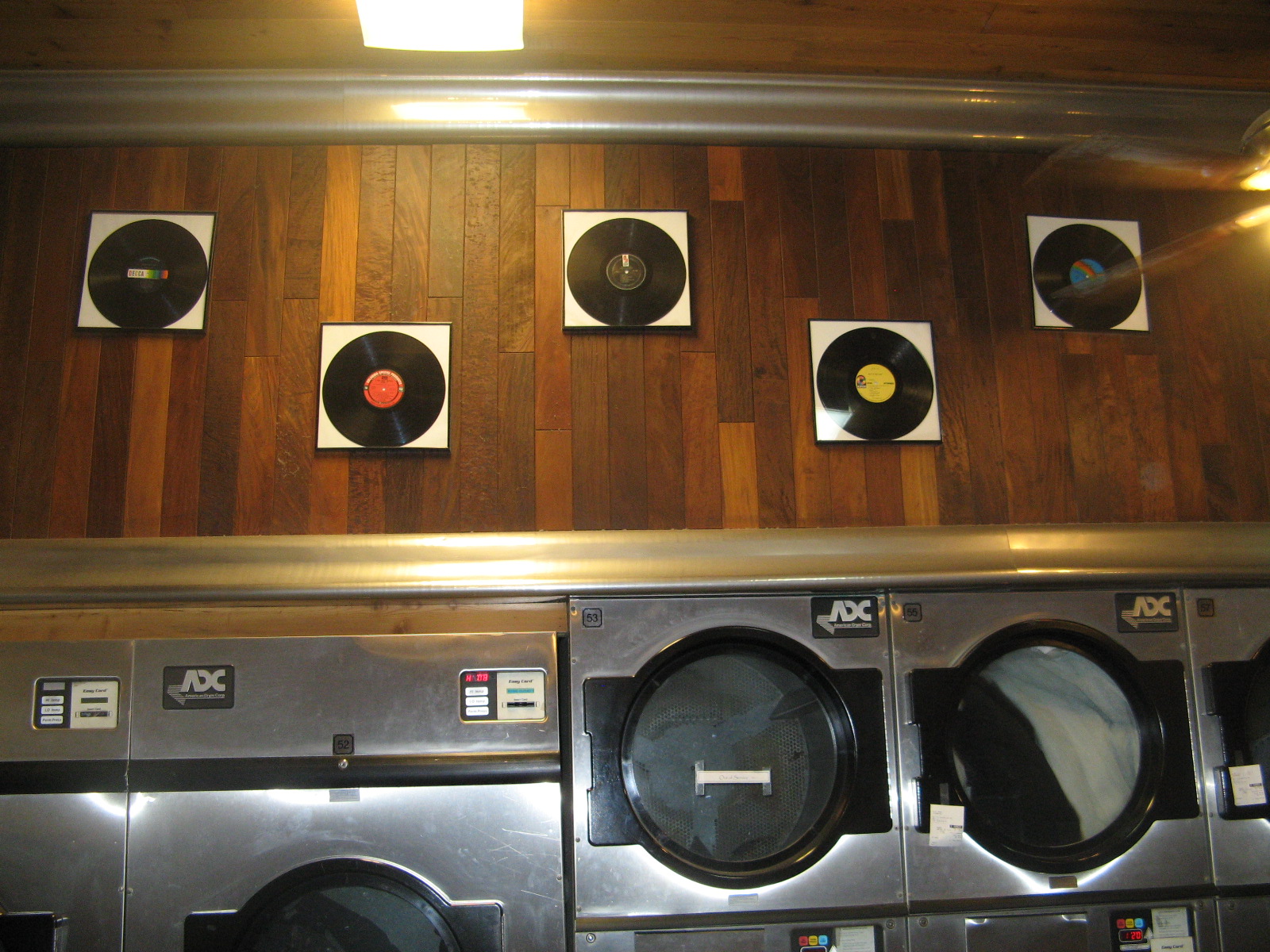
We moved on to a very special laundromat on the corner of Ramparts and Dumaine. Roomy and comfortable with benches, tables and chairs, a juke box and a stained glass window. You might be inspired to get up and rock and roll while your clothes are washing. The reason we came to see this unique place is because the history and pictures of great musicians like Fats Domino, Jerry Lee Lewis, Ray Charles, and others line the walls of this former recording studio.

At one time black musicians were not allowed to record in Louisiana. Most went to a Texas studio. One Louisiana official woke up as he watched all that money going to Texas. However, New Orleans musicians used secret little studios in the back of someone’s garage or in a corner of a restaurant after hours.

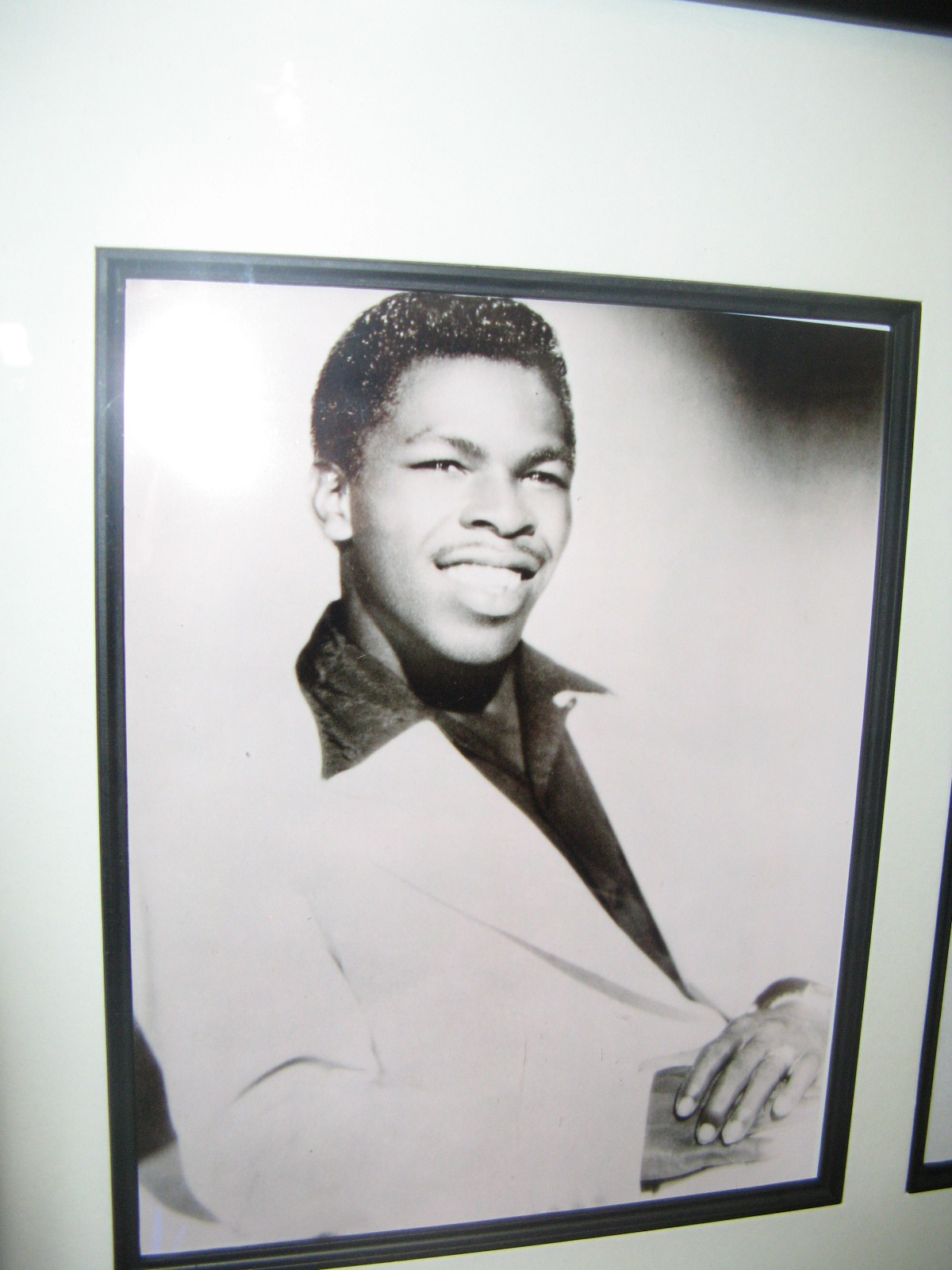
Lloyd Price, above, was one of the musicians that Cosimo Matassa accepted into his recording studio. The placque below is on the building.