Showing posts with label logging. Show all posts

Sunday, September 14, 2014

FORKS, LOGGING COUNTRY.

DSC04912 (Copy)
In our quest to view the Olympic Peninsula, we landed at Bogachial State Park, about seven miles  from the town of Forks, situated on the forks of four rivers, the Bogachial, Quillayute, Callawah and Sol Duc.
DSC04949 (Copy)
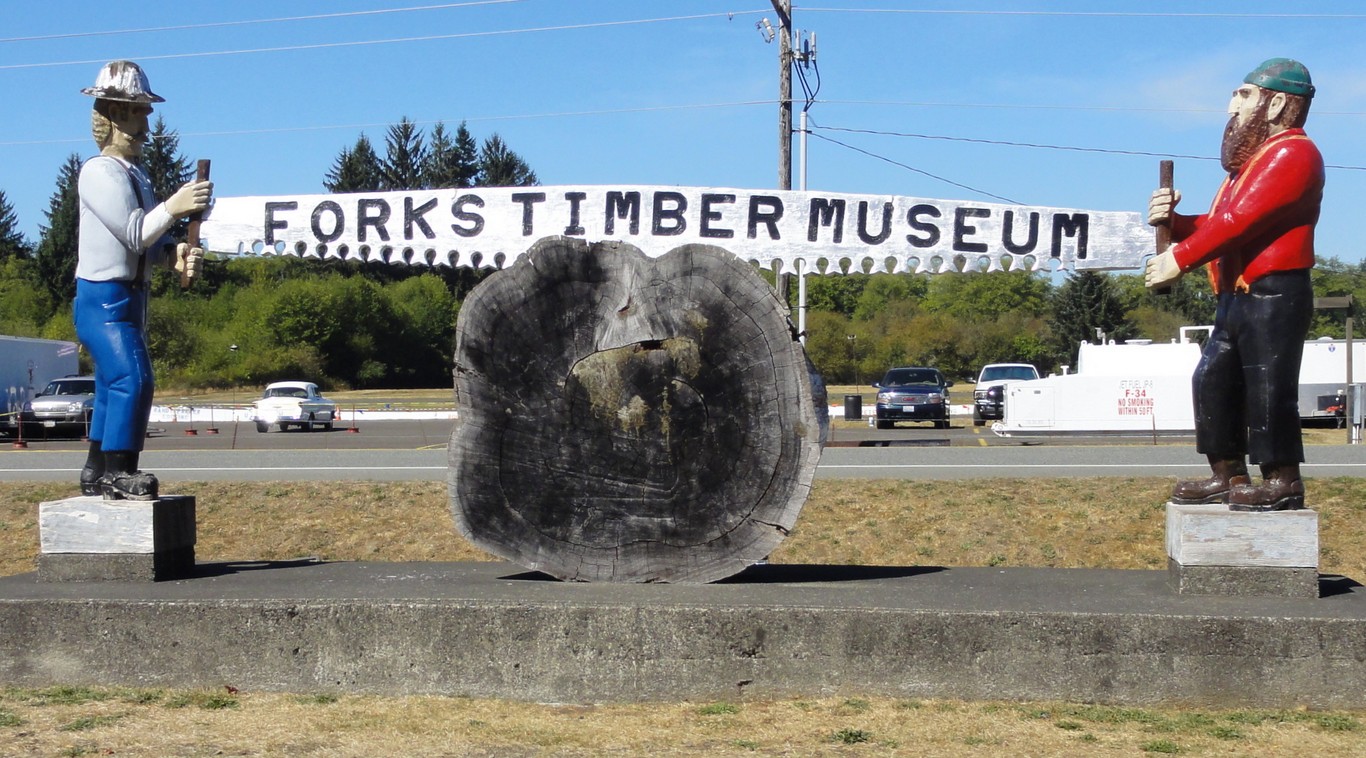
Town was jumping. A drag race across the highway from the museum, a small flea market right next to the museum, a fundraiser in town next to the VFW, and a lot of friendly people around having a good time.
DSC04927 (Copy)
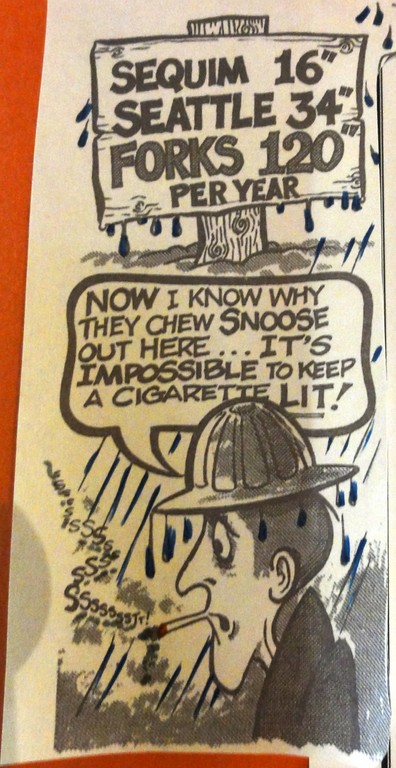
Those rivers are filled by the rains, a common source of jokes about the area.
DSC04929 (Copy)
.
DSC04928 (Copy)
This is a small museum and what I liked about it is the human stories.
DSC04936 (Copy)
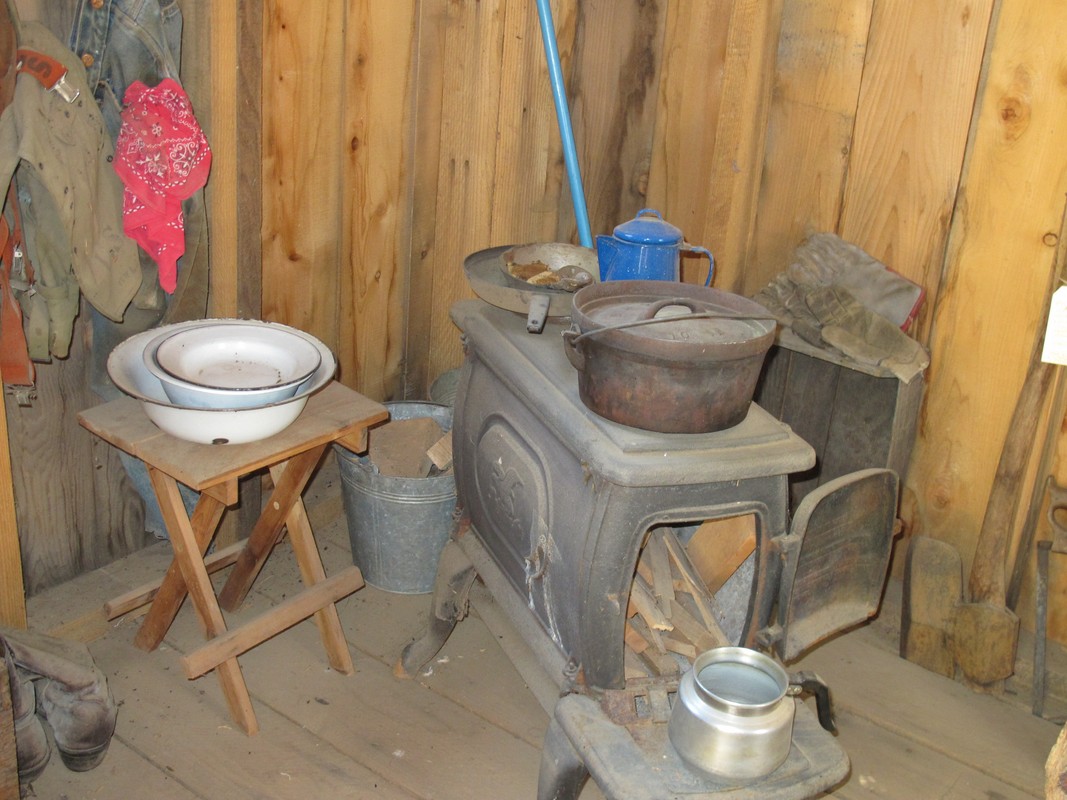
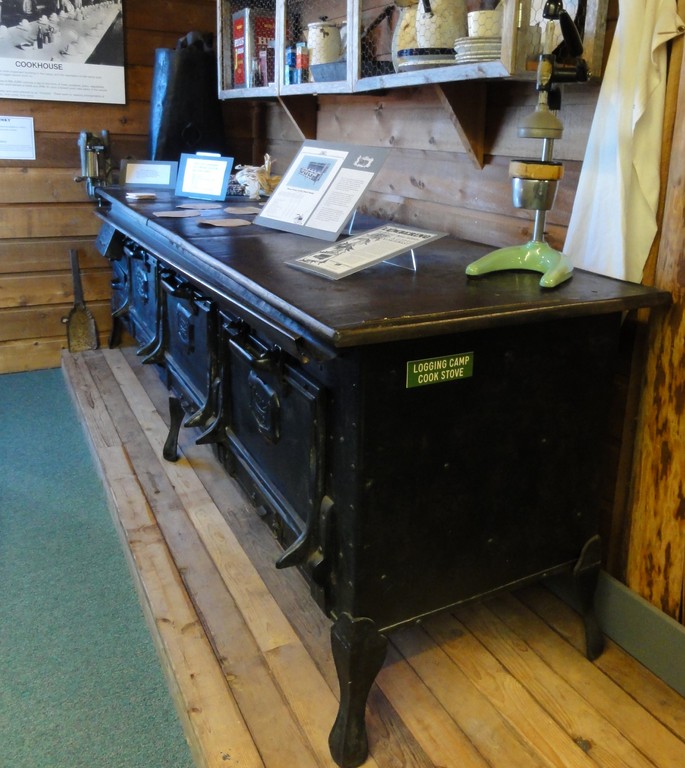
There are some great artifacts, like this camp stove. The docent told us that the surface would fit 50 plate sized flapjacks on it. The “bullcook” must have been a very adept man to work with a wood stove like this monster and keep those huge appetites well fed and happy.
DSC04934 (Copy)
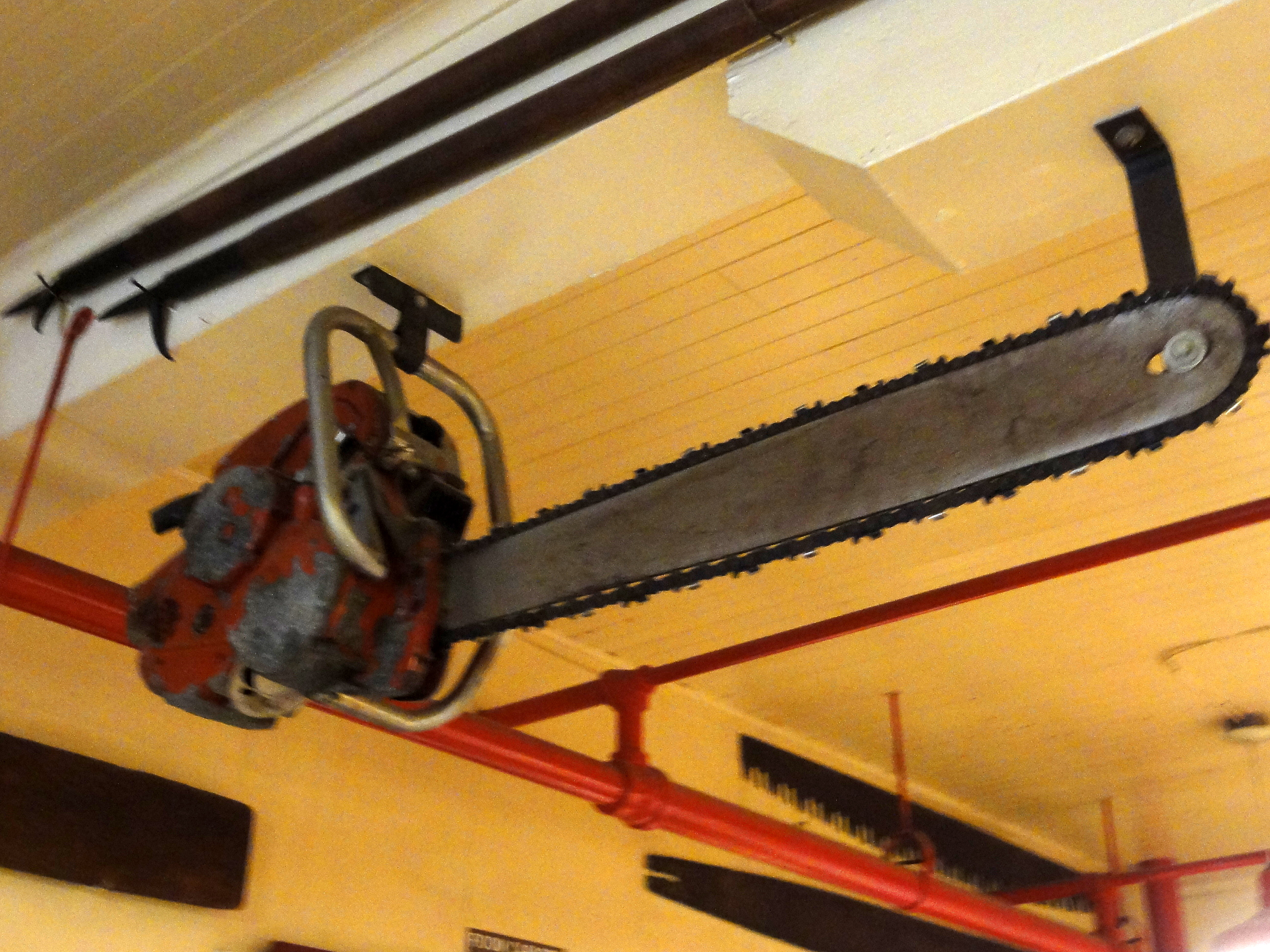
Some of the first chain saws look complicated and were dangerous to use. Some early saws were steam driven, some gas driven. Seems impossible that two mean could lift and run this saw.
Which made me think, how did the Indians cut those huge red cedars down to make their boats. Here is the answer below:
DSC04941 (Copy)
.
DSC04943 (Copy)
Incredible.
DSC04919 (Copy)
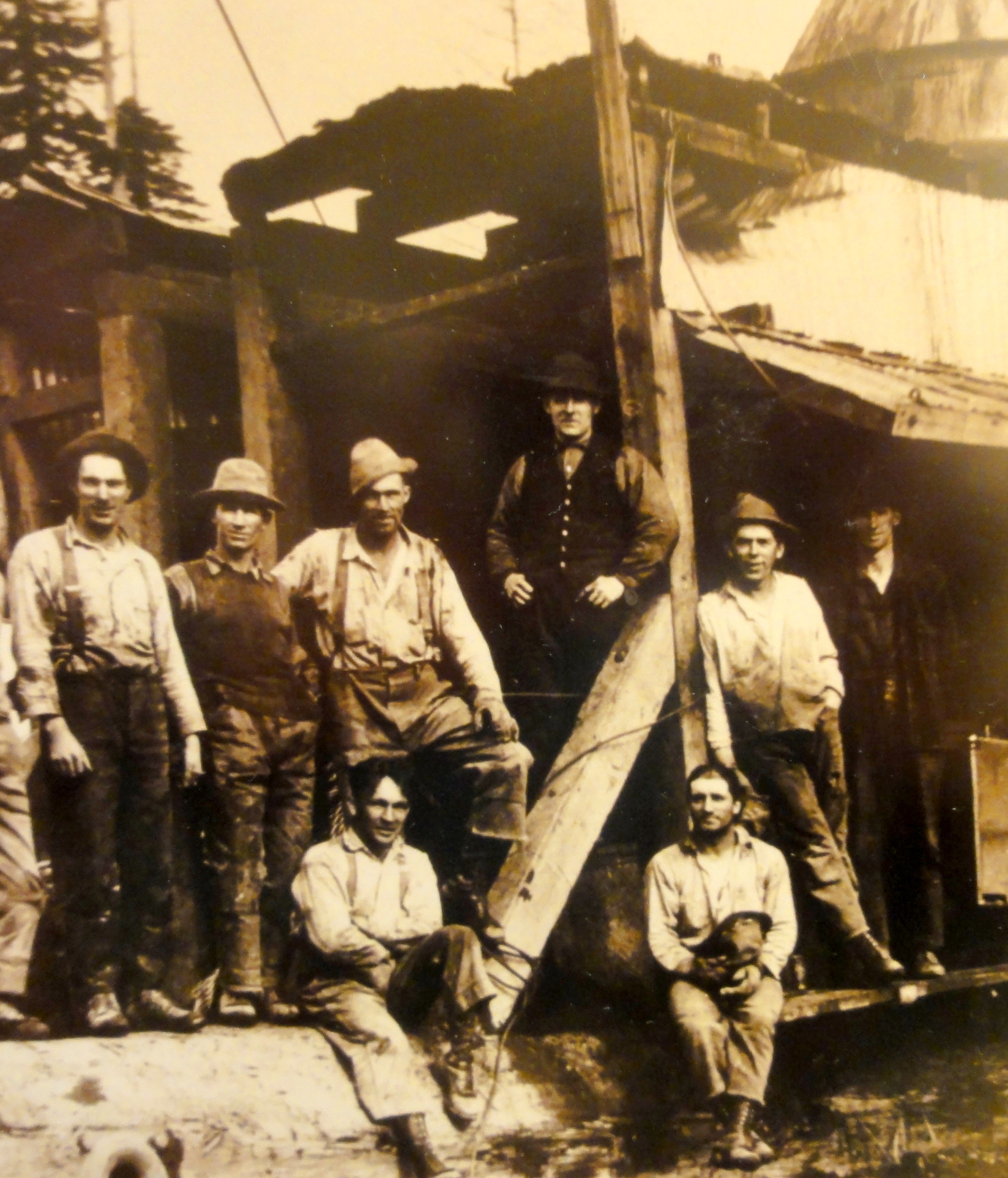
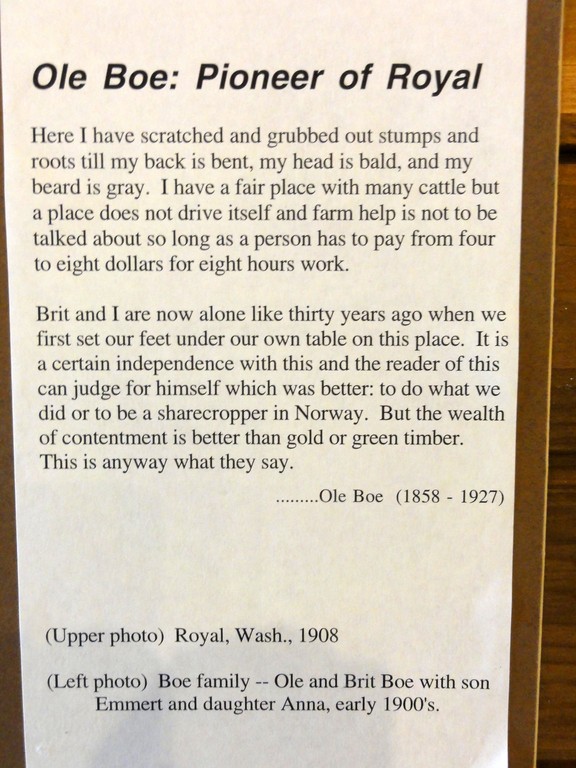
The people who settled here were resourceful and hard-working. They had to be strong and tough. This is Ole Boe and his family.
DSC04918 (Copy)
.
DSC04921 (Copy)
.
DSC04922 (Copy)
.
DSC04923 (Copy)
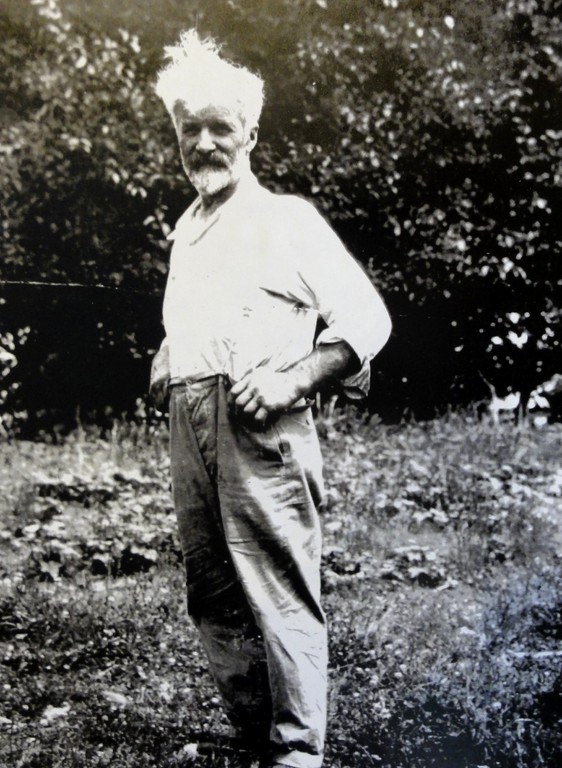
John Huelsdonk doesn’t look like a big man. His story reminds me of our own “Mountain man” Monte Wolfe, who packed a stove down into the canyons of Calaveras County. Monte was not a big man but he had legs like fence posts. John is older in this photo but look at the size of his left hand.
Women were no stranger to hard work, either.  Sarah ?, (I missed her picture)  raised her six children and when they left home, she started a pack train of horses and took people into the depths of the rain forest through mud and snow and showed them the beauty of the country. She started this business in her 50’s.
DSC04915 (Copy)
I love the stories of the  loggers, trappers, hunters, farmers, homesteaders. This old logging truck carrying a full load, no jake brakes, no massive chains to hold the load.
DSC04916 (Copy)
It had to take guts to drive this thing across this log bridge over a river canyon. I quail at the thought.
DSC04930 (Copy)
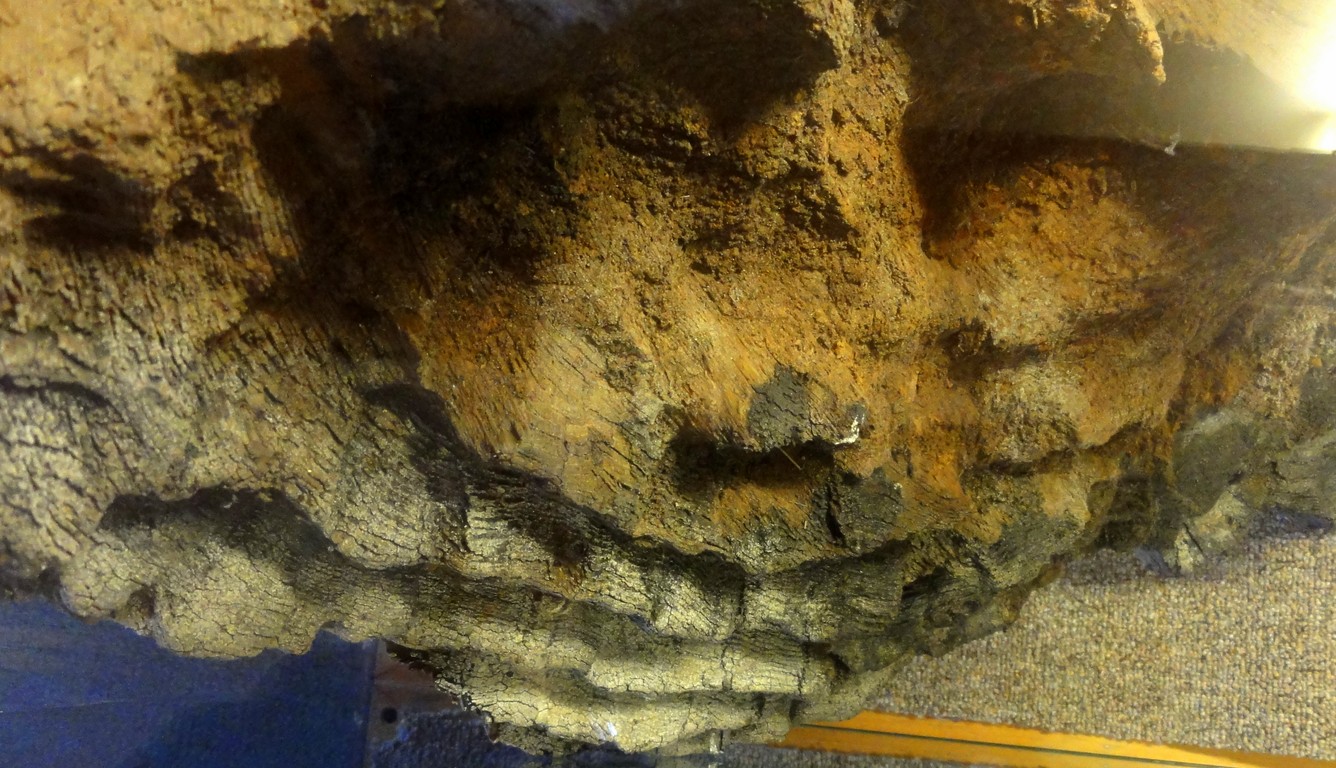
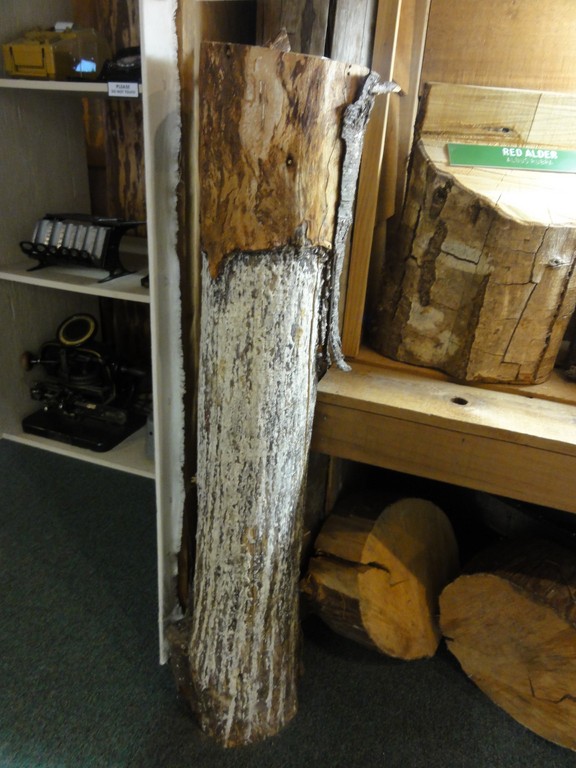
A tree damaged by a hungry bear. They would come out of hibernation and damage trees, so hunters were employed to kill bears, and paid by the pelt.. They were successful and no bear range their former lands. Wolves too, have been obliterated. Re-introducing predators has been very successful and healthy in other states. I wonder if Washington will ever try?
DSC04953 (Copy)
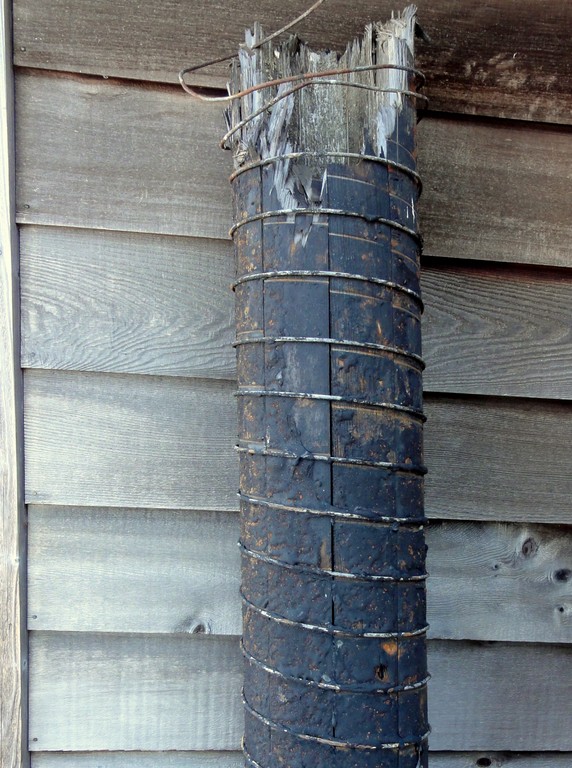
Early homesteaders made water pipes out of bound and tarred cedar boards.
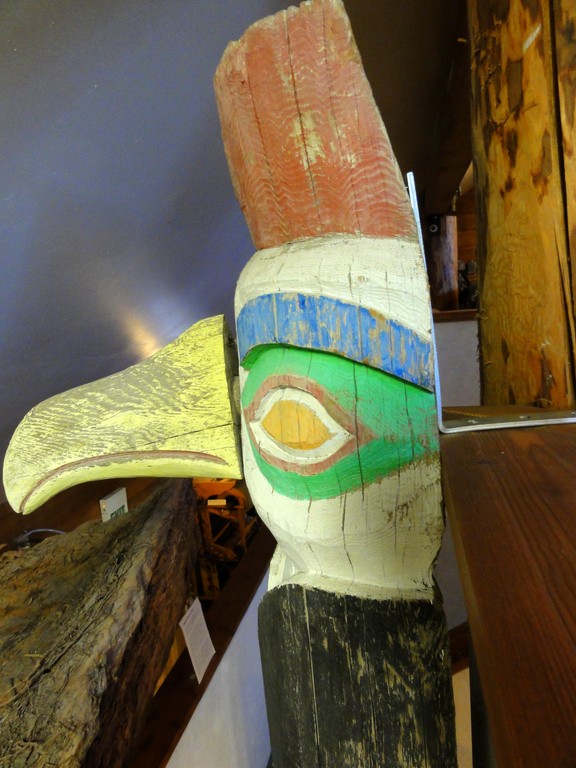
DSC04940 (Copy)
I enjoyed this museum, the people it represents, some of the fun lingo of the loggers and the equipment used to fall the huge red cedar that provided everyone a living. The area at one time was the logging capital of the world. Logging practices today, clear cutting in particular, are to me offensive.

Sunday, September 2, 2012

THE WHITE PINES LOGGING MUSEUM.

When my niece, Karen, and her husband and children visited for three weeks over our family reunion, I took the kids to the Logging Museum and forgot my camera. Things they liked outside were the pencil sign at the entrance and a truck full of logs.

Cedar was cut for pencils and milled in a different community about 40 miles away.  Mostly ponderosa pine, sugar pine and douglas fir were milled in White Pines.

In fact, this logging truck is very small by today’s standards, but it seemed just right to the kids.  It reminds me of a toy truck.

I find this tree pruner one of the most interesting pieces they have. It goes around and around the tree when fired up. It shaves off small branches, bark and levels the knots so the lumber comes out flawlessly flat and clean.

I didn’t count the outdoor exhibits they have, but they are many. The  chain saw was like  a miracle item for loggers when they were invented.  New chain saws don’t look much like these bristling from a log kiosk.

Some loggers lived in a posh cabin.

The bed doesn’t look that comfortable, but  Western loggers in White Pines had cabins like these available for single men. Families lived in company built housing. Some of those small houses remain in White Pines from the 1930′s.  In other areas of California, loggers shared a bunk house with multiple beds. Meals were provided in a cook house. If a company had good food, they got the best loggers to work for them.
The museum inside is a sunny, beautiful room with a view over White Pines Lake. Rivers and lakes, or even man made ponds were used to move  huge logs into the mill.  The museum has two excellent animated exhibits.

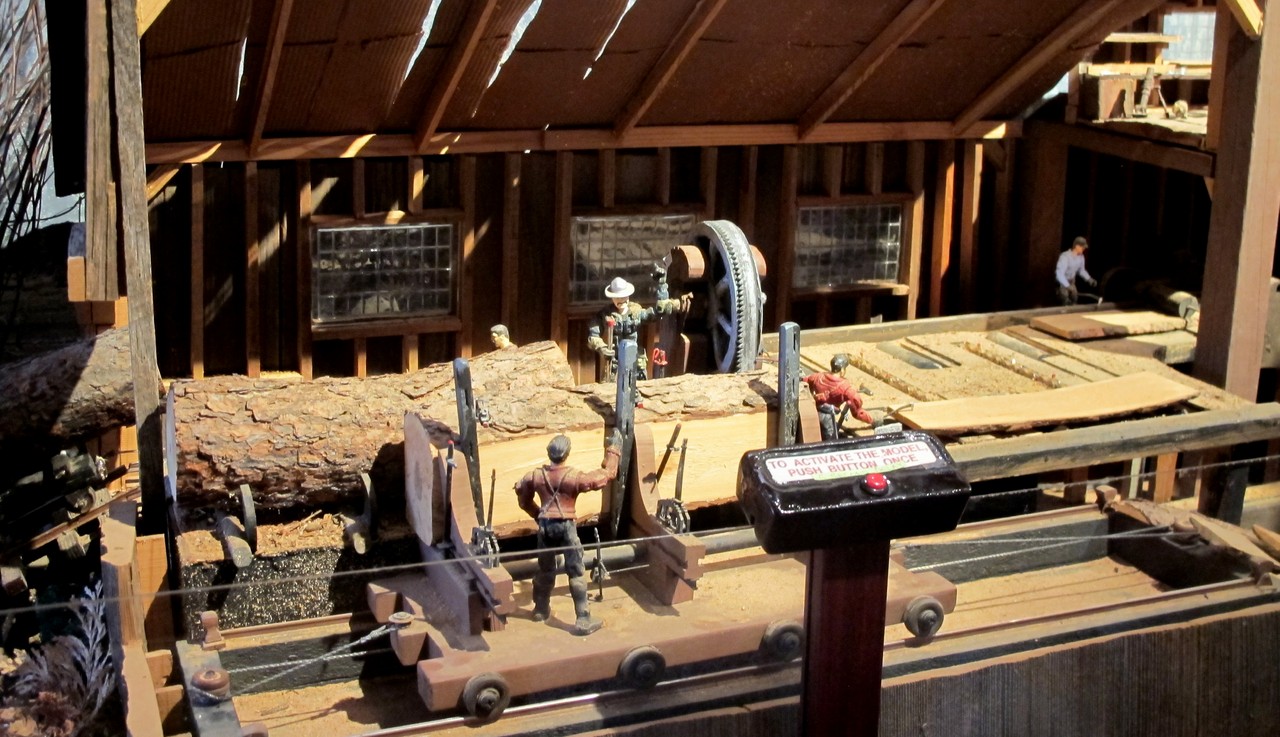
The kids and I liked this  miniature mill with moving men and equipment showing the process of hoisting the logs up out of the pond, processing it from bark removal, to cutting it up, sanding it and stacking clean finished lumber to dry.

A second animated exhibit  shows  moving logs in steep woods. It is accompanied by a video. Logging was dangerous work, and still is.  This exhibit is my favorite.

The museum was jammed yesterday because Tony Bennett gave a concert at Kautz Winery and people came in droves in their suits and ties to see him. (He attracts people from my generation who actually wore suits and ties.) They come for the concert and then stay to enjoy other events like the Logging Museum.

Folks love the mountains and the many events to attend so I didn’t get many pictures of the big tools and huge displays that are here.  I did get pictures of a small portion of the Logging Jamboree which I’ll post tomorrow.  No matter how many times I come here, I leave glad that I stopped for a visit.

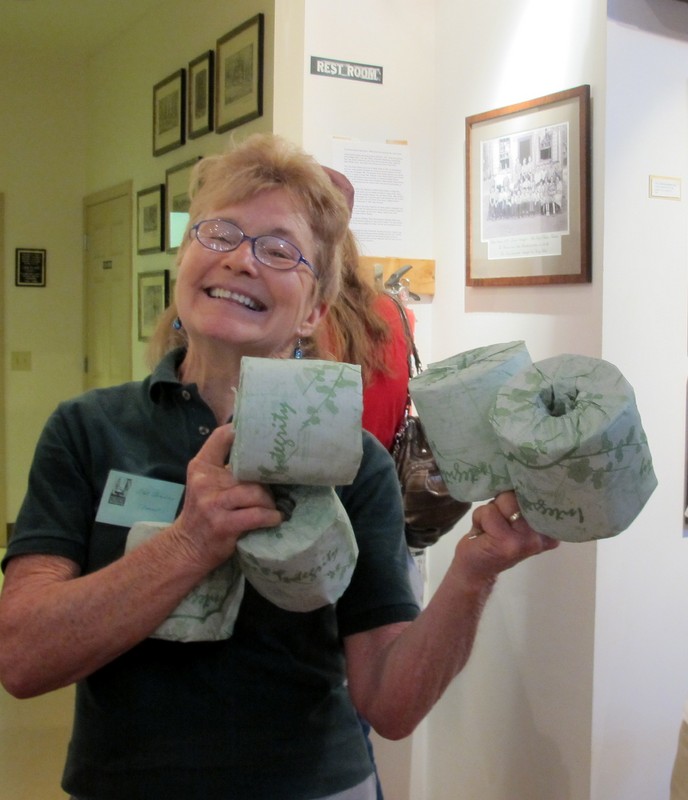
Pat Blagen Bradly is a friend of mine from American Field Service 25 years ago. Pat started the Logging Museum, did fund raising, organized the community behind it and wrote grants.  Her Father, Howard Blagen, opened Blagen Mill and  built the community of White Piines. No job is too small for the volunteers. Bathrooms must have toilet paper. More tomorrow.

Wednesday, October 5, 2011

SAMOA COOKHOUSE.

Surprise to no one, the Pacific Northwest was vigorously logged in the 1800′s and 1900′s. My dad worked in a logging camp as a young man in the upper peninsula of Michigan.  And, on his own Forty, years later, he logged and peeled pulp trees for the paper mills in the 1940′s. He selectively logged those few bigger oaks, pines, cherry and  fir that remained to grow to harvestable size after the big companies had already  raped the virgin forests.

Jim thought I’d like to celebrate my birthday at the only remaining  Lumber Camp Cookhouse still operating in North America, the Samoa Cookhouse near Humboldt Bay.

Open seven days a week, serving breakfast, lunch and dinner, the meals are served family style with soup, bread, salad, vegetables, an entrée. All you can eat. Then followed with desert. It is the type of food the loggers ate, simple but hearty meals for hard-working men.

The old original dining room has been expanded. It now includes a logging museum and gift shop. This famous cookhouse has been continuously serving meals for over 100 years. Quite a feat. Busloads of people from all over stop on their way through Humboldt County.

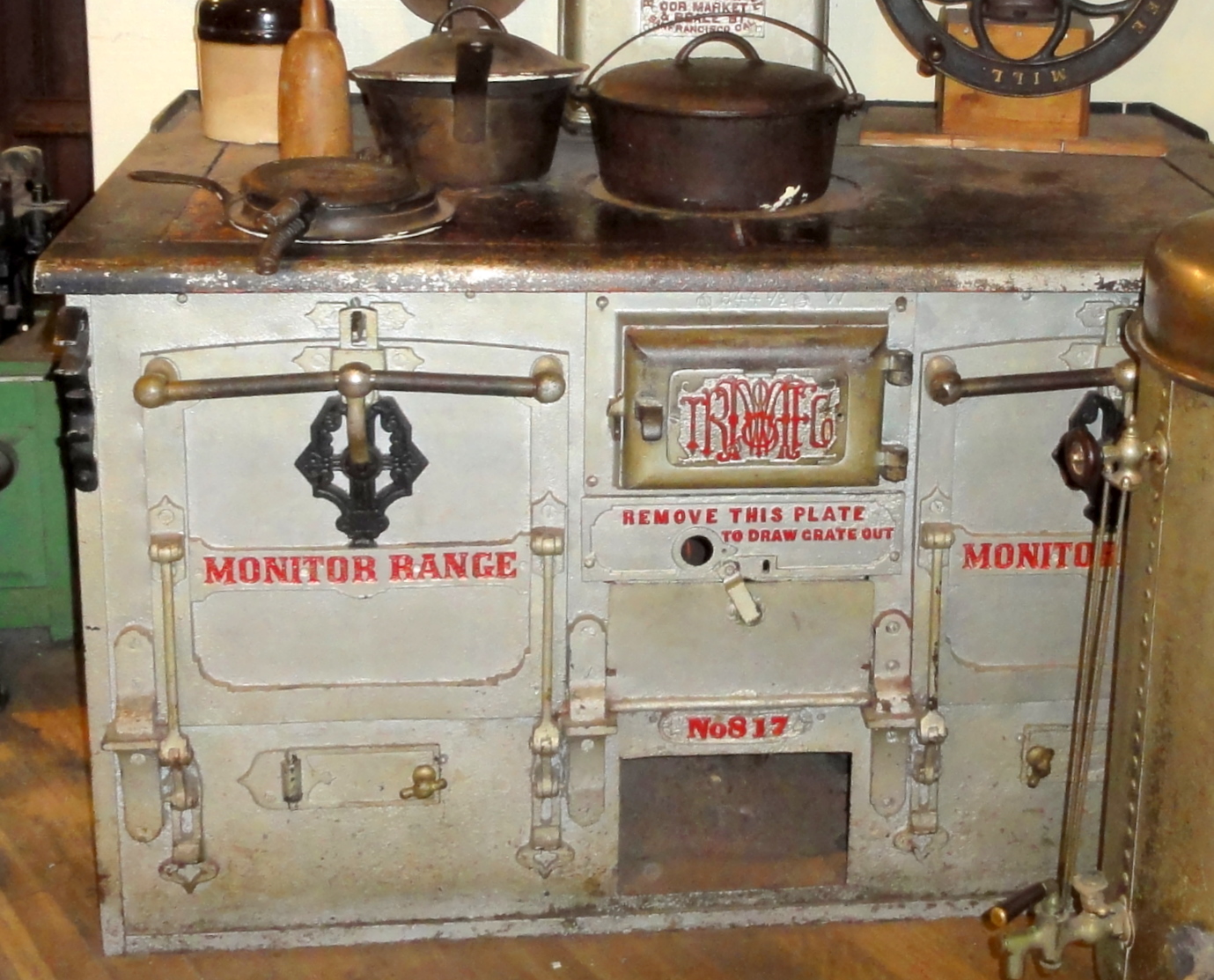
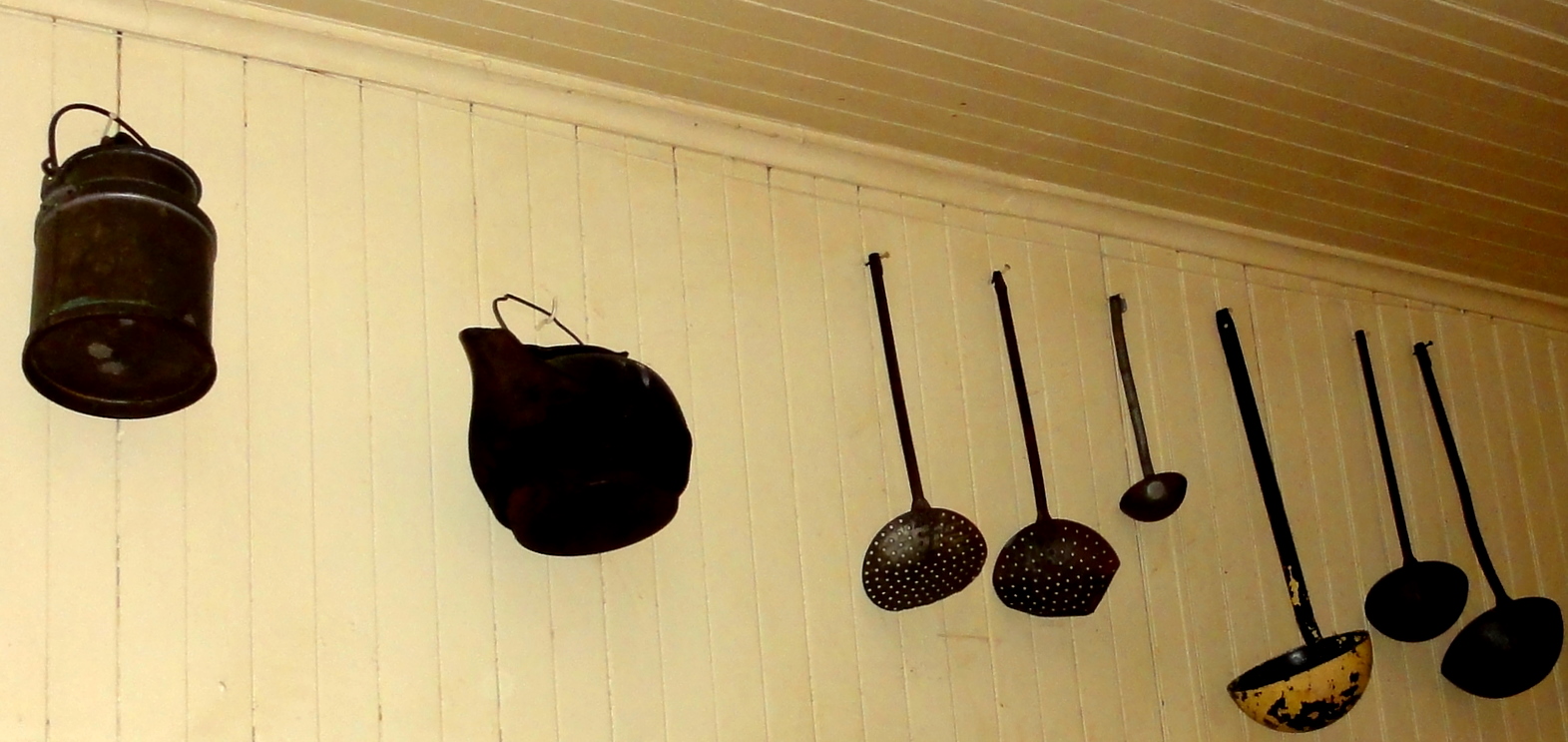
The old Monitor wood burning range, originally used in the cookhouse, is in the museum.

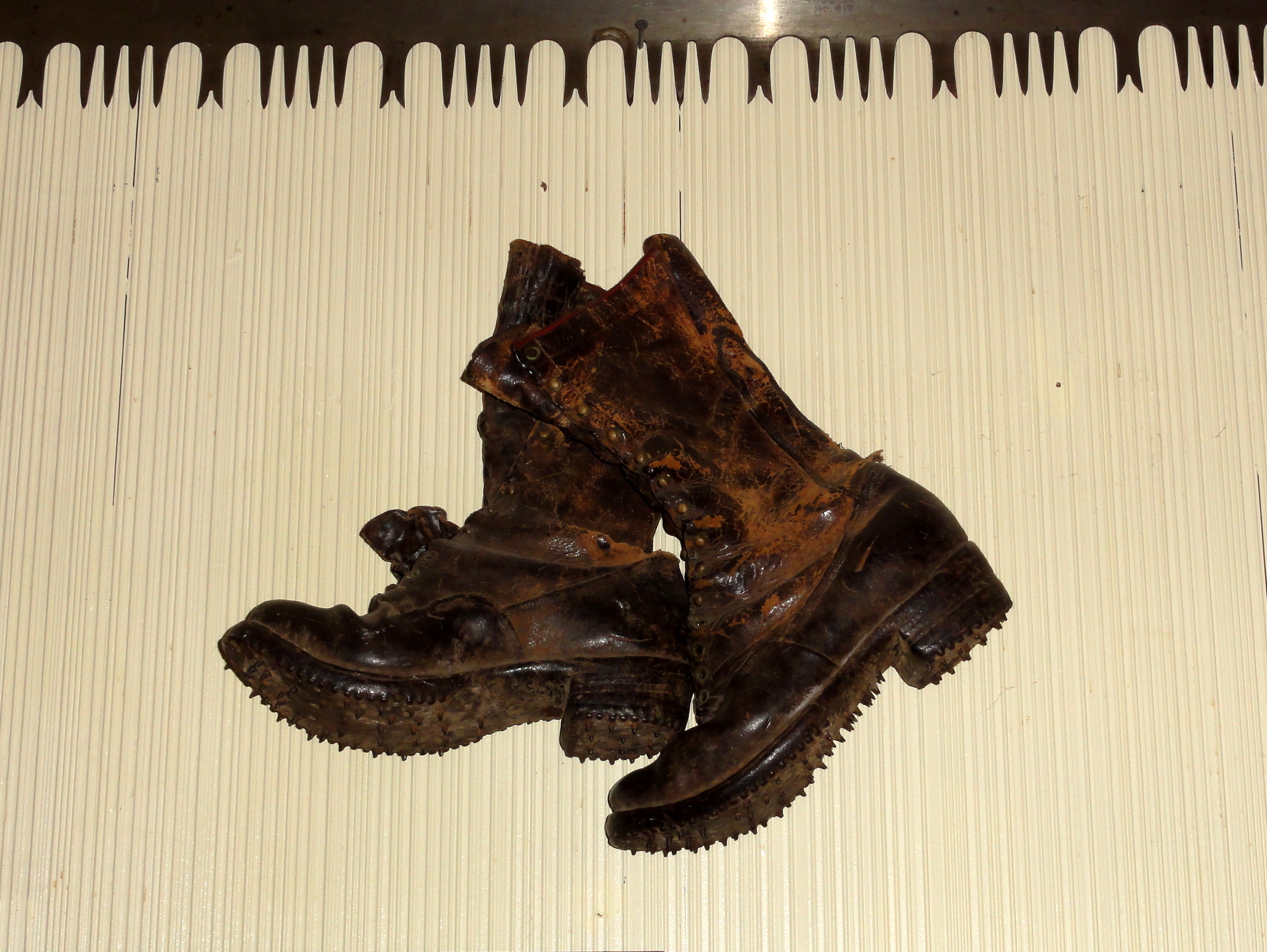
If these old hobnail boots could speak they would have some interesting stories to tell. The museum floor  has spike marks in the floor boards from the booted “jacks”  that tromped through the old place.

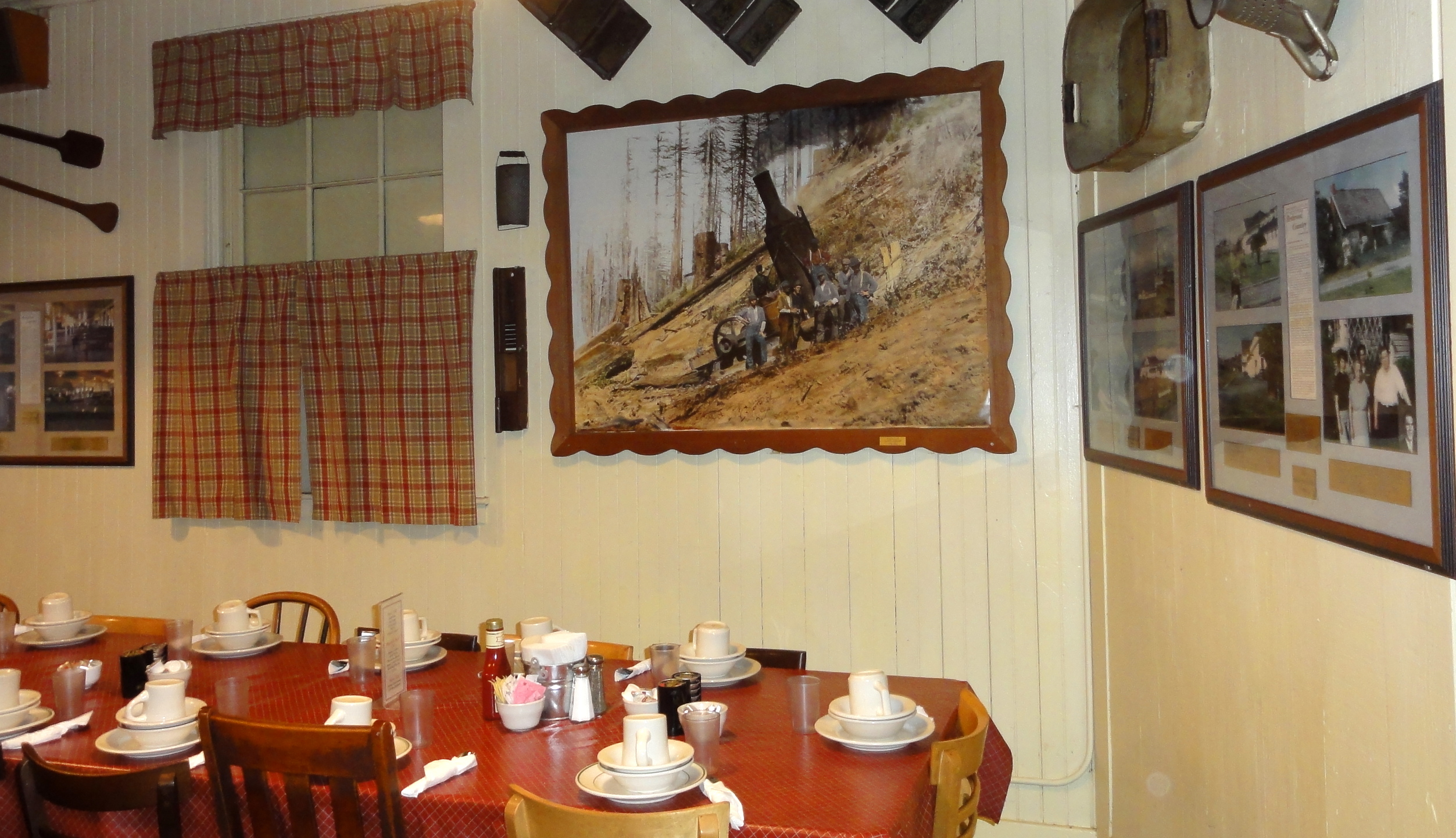
The walls have pictures and artifacts everywhere, in the restaurant, hallways, and the museum.

I own my dad’s saw of this type, shorter, to be sure. In the Pacific they lumbered redwood trees. In one wall photo is displayed several men holding up a 28 ft. long  saw that was used to cut through a 21 foot in diameter redwood giant.  These giants are Sequoia sempervirons, the tallest trees in the world. In Calaveras County where I live we have Calaveras Big Trees State Park where grow the Sequoia gigantea, the biggest trees in the world, heavier and squatter than their cousins.

All tools here are oversized.

And jacks were notoriously big and burly to handle the job.

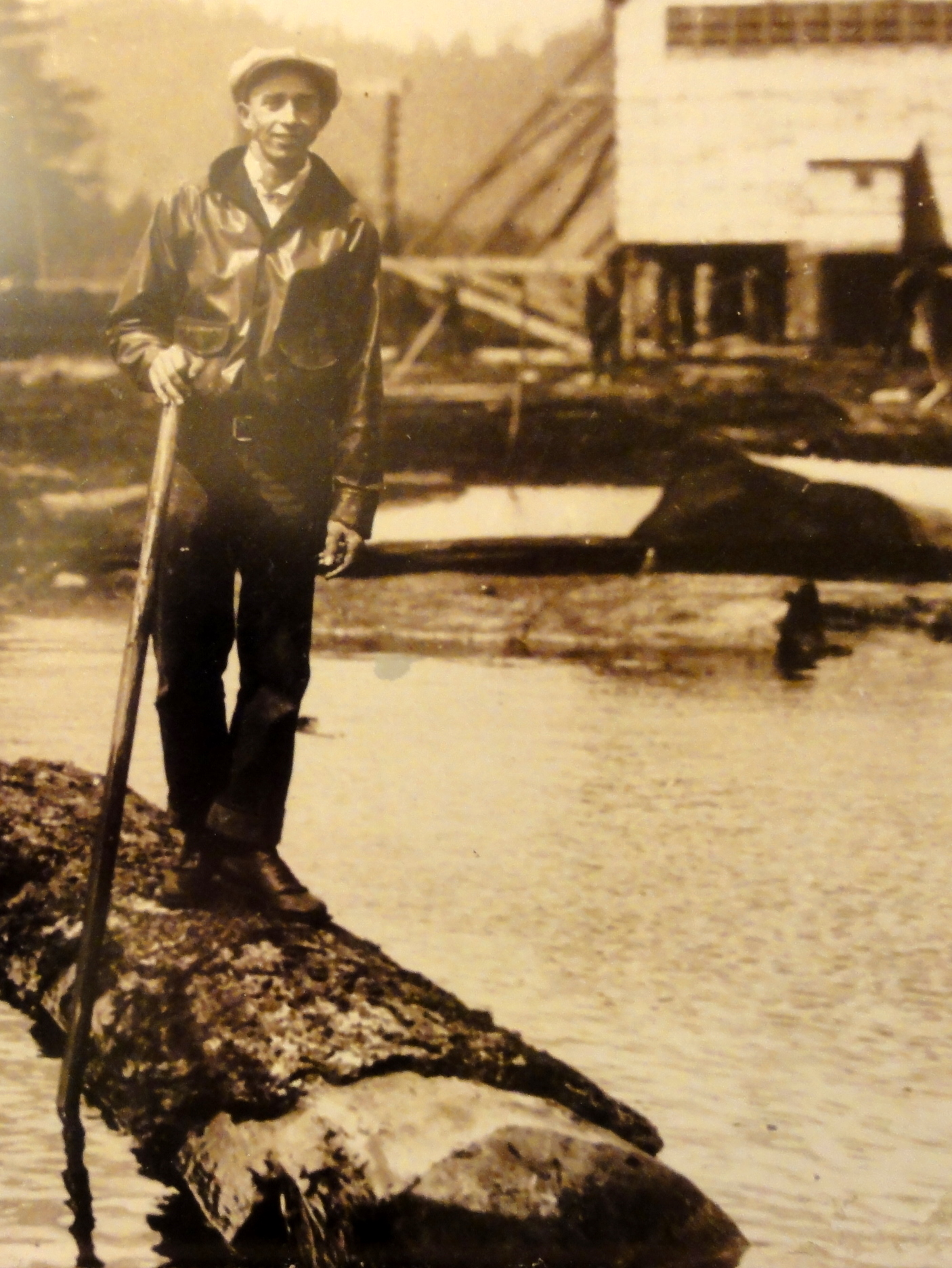
Or strong and nimble as this fellow, dancing the logs. They were floated down the Mad River into Humboldt Bay during one logging companies control of the mill and town.
Samoa has a great logging history and many interesting photos on the walls. Many are available for purchase.
Because of the storm, (hail expected with heavy rain) we will hold up  a second day in Eureka and head for the Trail of the Redwoods tomorrow.

Thursday, July 14, 2011

LOGGING TRUCKS ARE ROLLIN'


At one time, gigantic logging trucks like this one rumbled right through downtown Murphys. Officially rerouted in the 1990′s,  they can no longer do that. They roll down the mountain and keep to Highway 4 on their way to the mill. Loggers can still plow right through  downtown  Angels Camp on Highway 49.  I must admit to a bit of joy at seeing them. In the 80′s I rode with a logger to the woods and photographed  the complete operation from cutting, skidding,  loading, chaining up and delivering them to the mill. In fact, the driver pulled over to tighten his chains once we left  the rugged logging road and I got out  to take the big behemoth’s picture.  A guy backing out of his driveway, without looking, backed into me with his pick-up. I was unhurt, thankfully.  I wish I had those pictures in digital format.

Today’s logs, compared to logging in the seventies and eighties look like toothpicks. I’ve seen two or three or four logs fill one of these trucks. A tree trunk riding high half above the cab made you fear a slipping chain would allow a log to  smash through the cab and kill anybody inside.  The weight of the load was especially noticeable on Murphys Grade from Forest Meadows to Murphys with the driver managing the winding road, his jake brake scudding.  The memories, the sights and smells are great and I’m glad for the truck owners and loggers who have work again. Standard recently opened their mill in Sonora and I followed three trucks down to the river, and across the other side over Parrots Ferry Bridge on my way to the dentist. I returned by way of Stevenot Bridge on 49 through Angels Camp. I counted, coming toward me, four logging trucks which means a full truck was moving through town every five minutes on both highways.  As I did some errands,  I saw two more pass. Sure enough, I waited and caught this one moving through town.  While the jobs are great, they are most likely clear cutting for Sierra Pacific. SP refuses to compromise and do select cuts. They clear huge swaths of land and destroy the beauty and ecology of our area in the Sierra Nevadas. SP owns over a million acres above us, and young trees are falling to the axe.  A local group, Forest Watch, has photographed and protested their business practices, but the best way to make them accountable to the local community is to refuse to buy Sierra Pacific Lumber. I recommend you  buy certified lumber that is sustainably cut. It is stamped on the end of each board. It is possible to log without desecrating the land and habitat, but the bottom line for corporations  is people, nature, and animals last and money first. When I saw that logging had resumed, I speculated on the recent appearance of bear and feral pigs at our elevation and wonder if clear cutting could be upsetting the balance?

Sunday, May 29, 2011

LONG BEACH GARAGE SALE


Long Beach, Washington claims to be the longest beach in the world. Looking at Chile, one has to wonder, but who cares?

One thing about this beach, as far as you can see in either direction, the only “development”  is this dual set of condos, nice!

It was sweater and jacket weather, yet some brave souls got  right in and played in  the water.

The Chamber of Commerce hires a horse and wagon to haul people from sale to sale since most places hosting a sale lack ample  parking.

At this place cell phone chargers and cell phones?  There must have been 300 of them. Two brand new phones in boxes for $5 each. We looked but they aren’t old enough for us. We want to buy an older type phone that has an external port to plug in an amplifier, just to have a spare. Invaluable for our needs on the road.

This woman told me she caught a fish 5 feet 1 inch long. It happened 20 years ago, but she can still thrill to her one great catch.

Long Beach has a number of nicely painted murals around town. This sign gave me a chuckle.

A portion of the rest of the mural.

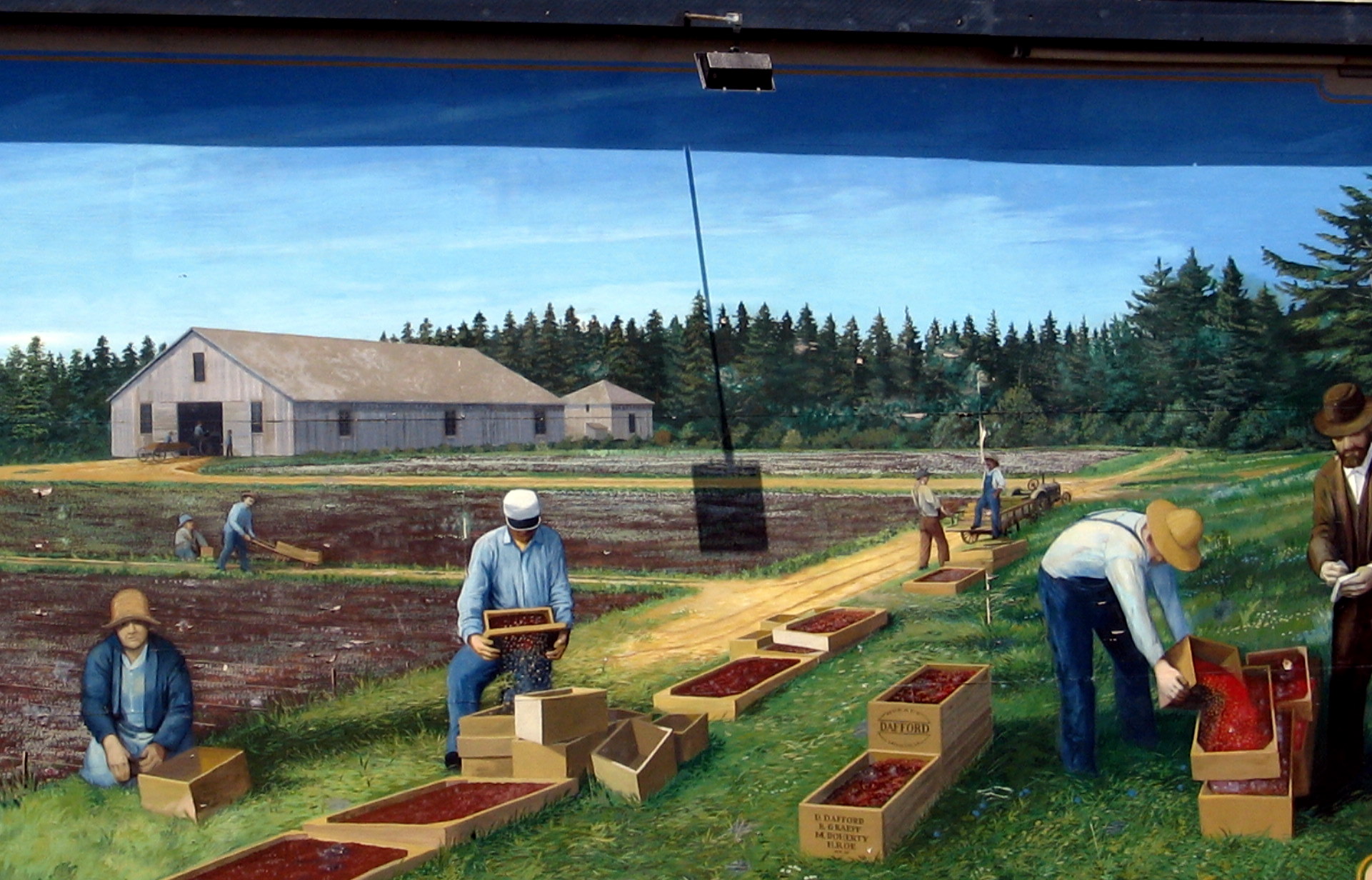
Cranberries, another local industry, working hard in this mural.

Town was full of people having fun. Renting tricycles and quadricycles  that hold the whole family of four plus a baby, and pedaling around town. There are amusement rides and pee wee golf; shopping, good eats, frisbee and kite flying on the beach. We curled in during the cold morning and  finished books we were reading.  Decent weather lured us back to town and we weren’t disappointed. Didn’t find that cast iron pan, but it was fun looking. Found a 50 cent video and took it home to watch after dinner.