Showing posts with label Rivers. Show all posts

Friday, October 25, 2013

LUNCH WITH JOAN.

DSC01704
I met my friend, Joan Higgins, of Mi-Wuk Village for lunch. In the past, we would go to Diamond Jim's, but alas, the restaurant is closed, the economy has leveled so many things. Mi-Wuk is about 18 miles above Sonora and while the restaurant is closed, the scenery isn't. I meandered along enjoying the passing pine forest, the smells of cedar, cones rolling about the roadside, passing  glimpses of yellow aspen and bursts of vermillion and burnt umber in a bush peeping out of the green. Mi-Wuk elevation is 4,000 feet.
DSC01706
People who move to mountain "retreats" like their privacy and getting away from city traffic. Joan and her husband retired among the quiet and beauty many years ago. Now, winter has driven her off the mountain until warm weather returns. But, home is still where the heart is and October has stretched out the good weather this year. During the rim fire, she had to leave the area because of the smoke.
DSC01705
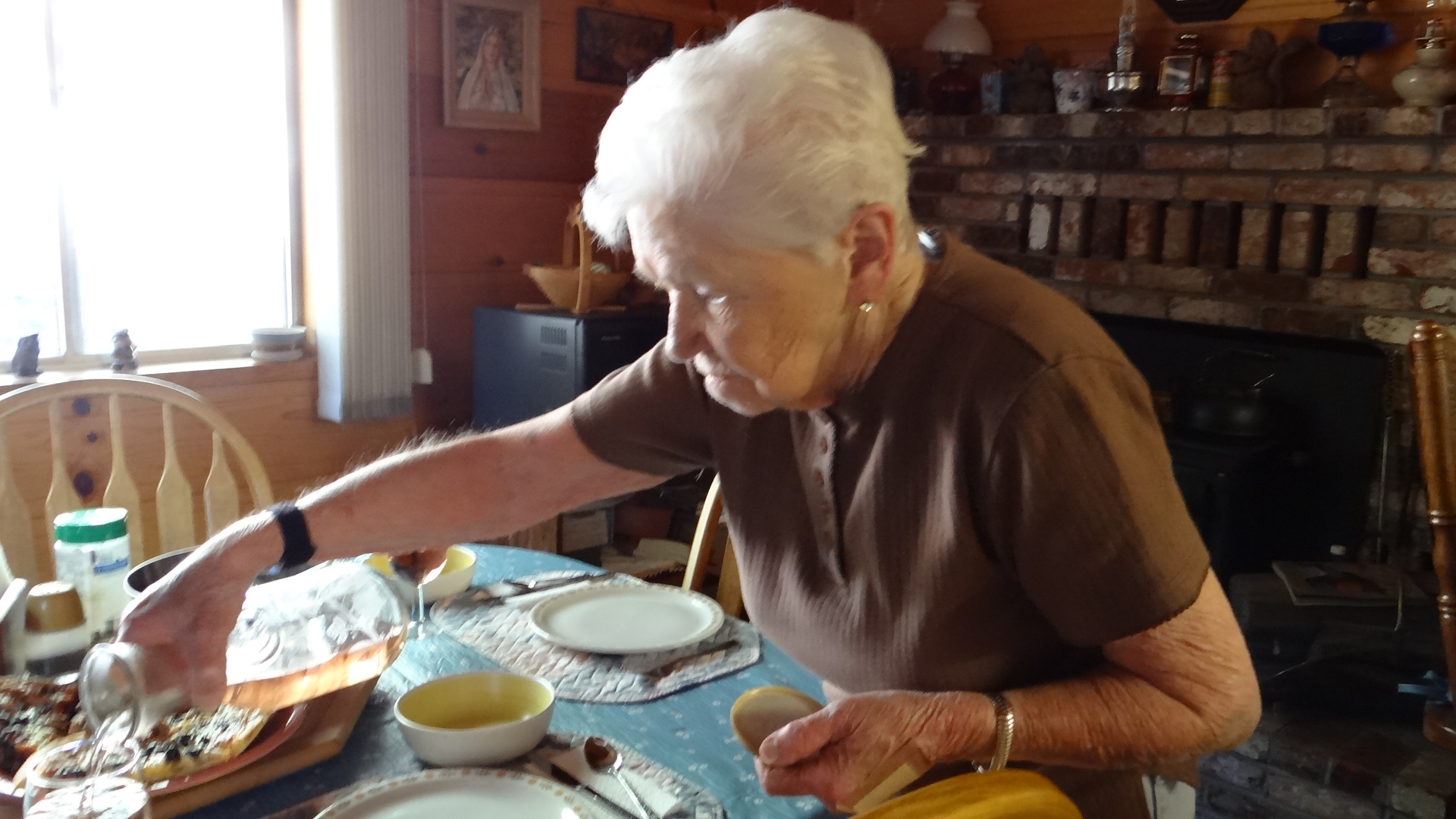
Joan drove to Sonora and picked up a bake your own pizza and made a salad for lunch.  Fresh out of the oven and delicious. We laughed. We could just as well have met in Sonora,  there are a number of restaurants along the way besides Diamond Jim's. But truth to tell, we both prefer to sit for an hour or two and yak. I hadn't seen Joan in two years. The last time, we met at her winter escape in Arizona. Like me, she is widowed. Our husband's were life-long friends.
100_1140c
Jim and I visit small places often as we travel and for years I ignored the history in my own back yard. The Mi-Wuks, who now prefer to spell their tribal name Me-Wuk settled this area hundreds of years ago. They built cedar shelters like the the one in this picture and also tee-pee shaped, moveable dwellings as well. Their habit was to grind acorns into flour to make a flat Indian bread, fish the rivers and hunt small game. They traveled over Sonora Pass and traded with the Eastern Sierra Paiute Indians, camping along the way. Archeologists have found their acorn grinding holes and the obsidian arrow heads the Paiute traded with them. In fact, Sonora was founded along a Me-Wuk Indian trail.
DSC01707 (Copy)
We said our goodbyes, and promised to meet again. We have a lot in common; both of us were raised strong Catholics, we both are one of seven siblings and we have many friends in common. The Me-Wuks now run the only Indian Casino within our three counties, Alpine, Toulomne, and Calaveras. I have Mi-Wuk Indian grinding holes on my property in Murphys. I'm glad the Me-Wuk have better resources than they used to, but neither of us care to frequent their casino, and we both treasure the Motherlode.

Tuesday, January 3, 2012

A COLD, GOLD DAY


Weather, these last weeks, has been shirt-sleeve summer.  Every day, we see  beautiful winter sunrises and sunsets at odds with warm days. Sqaw winter makes you crave the natural order of things; to do right by the trees, and grasses, and critters. Bears hanging low, refusing to hibernate. Birds haven’t a proper signal to  migrate. It’s all wrong.

Weather so dry I’ve had to water the yard lightly, so I decided its time to go gold hunting. It never takes much convincing to get Jan and Brian out looking for gold.  We arrived at what was a dry creek in the fall of  2010. Brian commented that we hadn’t considered the snow melt with this warm weather.

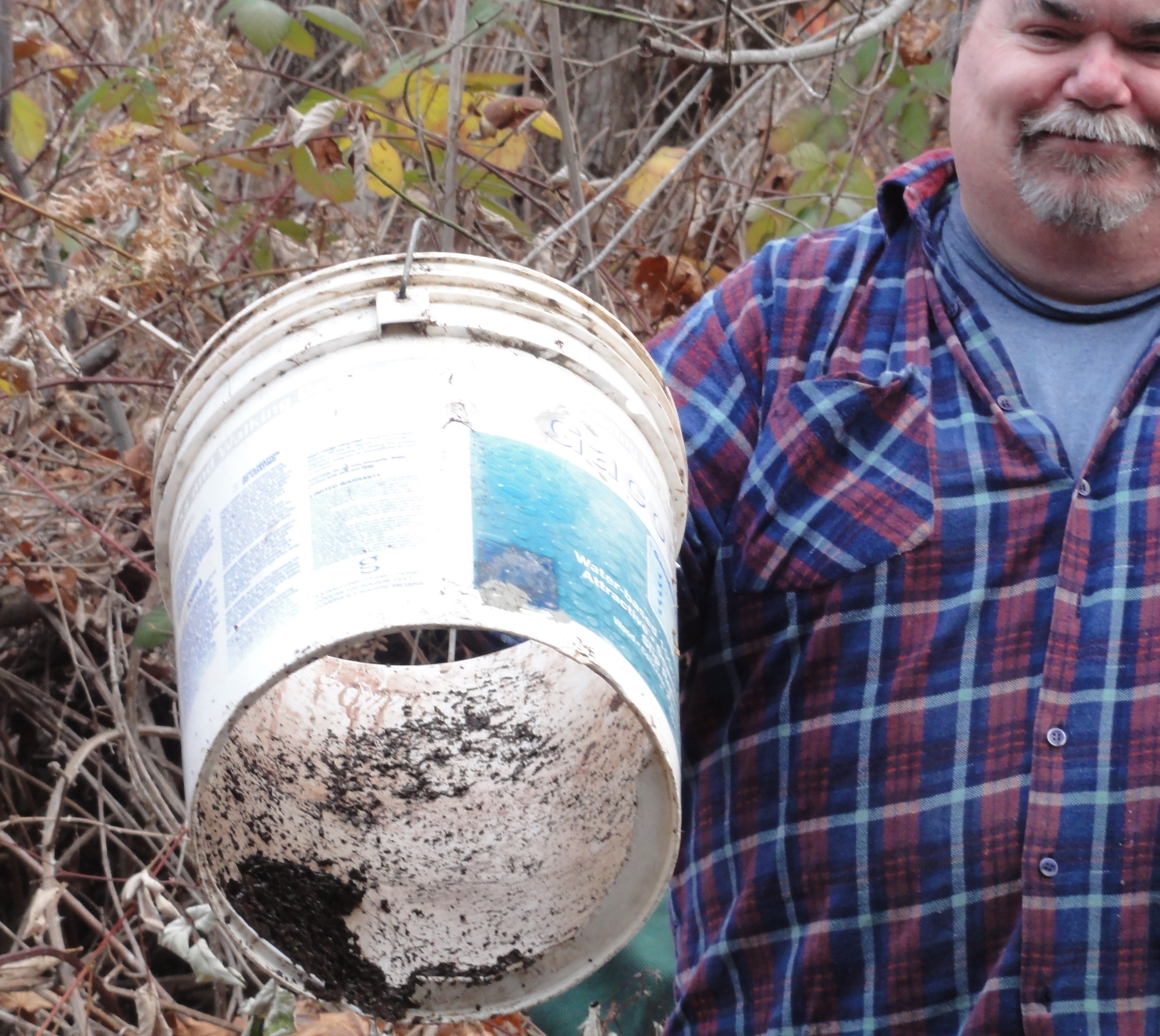
Not to be deterred, I took off my shoes and socks, rolled up my pants, crossed over to a  promising area of gravel and loaded the bucket. The gravel was so wet and heavy, and I expect the bucket a bit weak,  the bottom fell out. I ended up washing the spill on the riffles of a rock. Not a smidge of color.

Jan spotted some old tailings. We checked the topography and found a spot where water had once gushed down this hill and filled a crevice with gravel. I went in with my trowel and reached for the gravel. Water invisibly clean and clear I didn’t even see until I touched it.  Beautiful gravel and good muck.

We brought three buckets. This time, I made sure I didn’t fill the bucket.

We drove around for several hours, stopping at various spots. At this place someone had placed a board to sit on and left a crevice tool and a linoleum slide. It was wet and tough to work.

We went to a popular panning spot under a bridge. The property owner had built a rock dam to catch  the gold before it ever got to the bridge. He built a dam, but it takes a tri-dam to be effective. Then he fenced it and posted no trespassing signs. What the owner probably knows is that no one owns a river. As long as you don’t walk above the high water mark, you aren’t trespassing. The signs discourage rubes, which we aren’t.

By this time, I was wet and cold. The gold eluded us but we got a taste of winter. On the way home we reflected on how the early miners slogged through creeks and winter melts and cursed their lot but never gave it up. They survived on the fever. We’re pikers.

Wednesday, May 25, 2011

TIME IN VANCOUVER


Yesterday, I spent most of the day with Damiann Kegney, a friend of my son’s. Damiann showed me  condos for sale, since she is also a real estate agent for Century 21. I like Washington and Oregon, Portland in particular. Vancouver is close to Portland’s good restaurants and theatre, art, etc.  Our  travel adventure, but also a bit of business thrown in.  Wouldn’t it be nice to spend summers in the Northwest where its cool and Winter in Murphys?  We had a great lunch and lots of laughter, in any case.
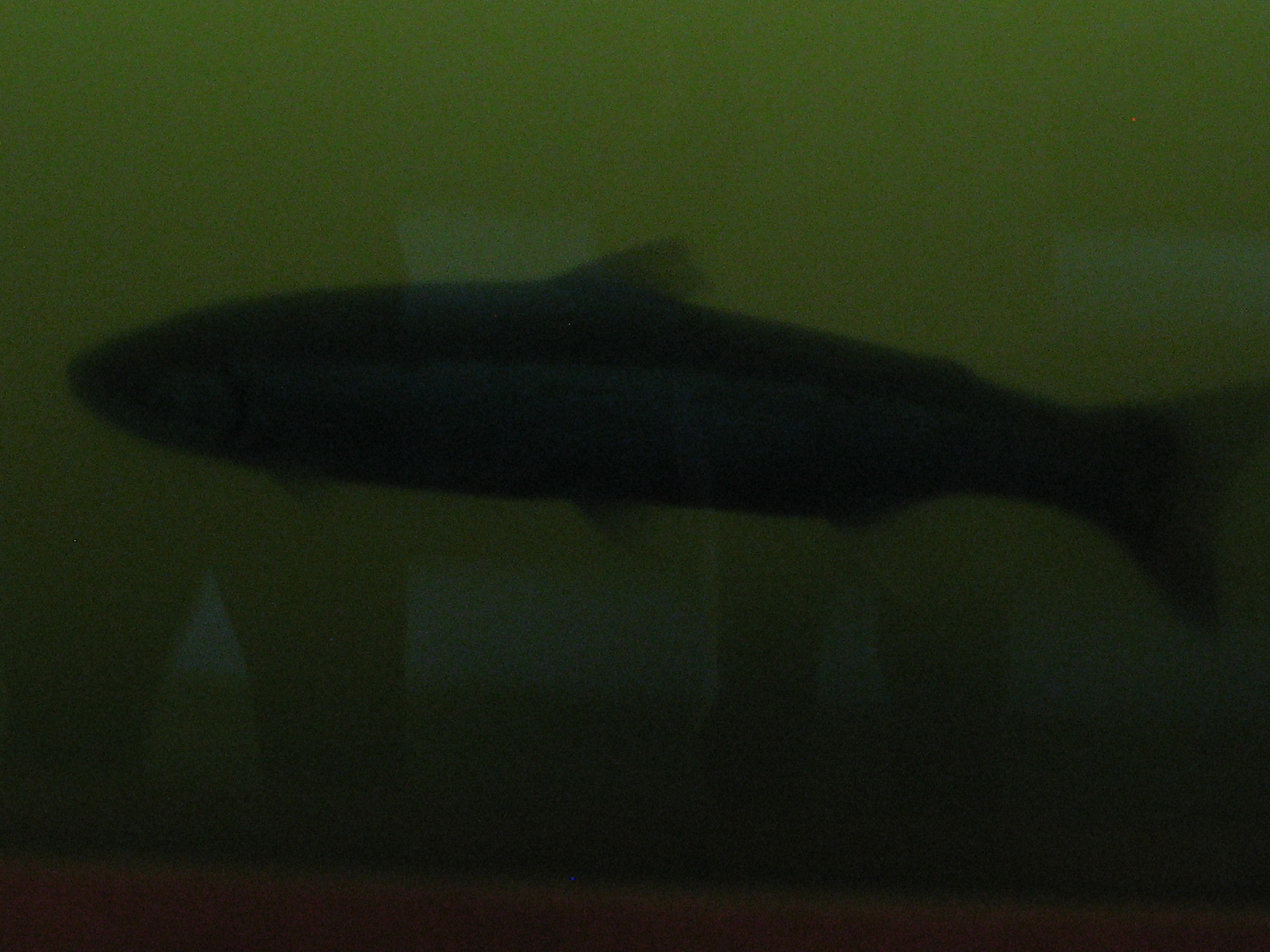
Dipping back once again, on our way to Vancouver, we stopped at the Washington side of the Bonneville dam and watched their fish  count through  murkey windows

Interesting statistics in their educational program about salmon make me appreciate every bite of salmon I eat. Salmon decline was first noticed officially in 1983.  Fish and Game conservatively estimate 12 million salmon spawned up this River system 200 years ago. The three rivers that flow to sea in this area are  dammed in 15 places. Current salmon spawn is less than one million. It wasn’t only the dams. Cattle trample eggs, fish habitat is altered, sewage, chemical fertilizers, mechanical fishing equipment, stream side habitat erosion causes silt.  All contribute to fish decline. It costs millions to try to save the salmon.
On a cheerier note, not at all related to salmon, is the chess collection I saw at Maryhill. I have a link to 30 pictures if you’d like to look at them.  https://picasaweb.google.com/106530979158681190260/MHCHESS#