
Donna, Bob, Jim and I arrived at New Bedford’s 99th annual Feast Of The Blessed Sacrament, more commonly called by many, the Portuguese Festa. We arrived early, bought our drink tickets without having to wait in line and then headed directly to the charcoal pits to have a look. The draw for me is cooking our skewer of carne espeto, pronounced cog-na-schpitz, and the fado. The meat in front appeared to have powdered sugar on it which we learned later was rock salt.

We rented our seven to seven and a half-foot skewers for $10. They give you your money back when you return them.

We loaded our skewers with a pound of beef that you can buy at the festa, and the veggies, zucchini, peppers, onion, that Donna and I bought and cut to size on Friday. Rock salt is available on the counter and this year, Donna thought we should try it. Reputed to keep the juices in and the outside crisp, we used a minimal amount of the salt.

While my skewer was cooking, I took a minute to watch the unloading process. The metal scraper holds the skewer and you pull the hot meat off the rod into a dish or onto a paper plate.

Next to me was a guy carefully basting his meat with beer without spilling a drop.

Another guy was squirting his meat with wine. Hey, good idea, methinks.

Moving through a crowd of people with a heavy, seven-foot skewer is an exercise in balance and Bob helped me remove our dinner, filling the two paper containers in two strokes.

Jim kept our place under this beautiful grape covered picnic grounds and watched our purses, then went for beer when we got back with the food.

We discovered that the meat and veggies were overcooked. The salt kind of obscured the process and we couldn’t detect when the meat was done, but it was still tasty stuff. Later, we watched people cook sword fish, shrimp, sausages, potatoes and all kinds of delectables and realized we were not required to buy the beef at the festa. Donna said, I learn something new every year. And, I drank a regular beer and it actually tasted good with the food. I discovered later they had imported beers with micros among I could have had.

We spotted a lot of people wearing these traditional Portuguese hats.

They differ a good bit and supposedly denote the area of Portugal from which you or your family members come from. Donna didn’t mention where her family originated and her parents didn’t teach she and her sister Portuguese.

As the day got later, the crowds thickened. Donna would run into friends she knew. We headed for the kiosk selling malasadas, a hot, Portuguese doughnut the size of a dinner plated (without the hole) and dipped in powdered sugar. Everyone calls them mollies. The line was sooooo long, we gave up. The news says they sell 2000 of them a day during the four day event.

The stand was near one of the bands, but it was a rock band, not our type of music. The headliner band was Everclear from Portland, but they were on another stage. The festa must cover about five acres with a carnival grounds with a ferris wheel, tilt-a-whirl and the usual line-up of thrills and arcade of games. Donna won a 7 inch stuffed fish at one of the games. (We only played one.)

Instead of playing games we headed early for the fado tent and got front row seats and enjoyed a glass of wine and delicious pastries while waiting for the band and singers. They sell special coffees and deserts.

The fado is sung with a three-piece band, the mandolin, guitar and bass fiddle.
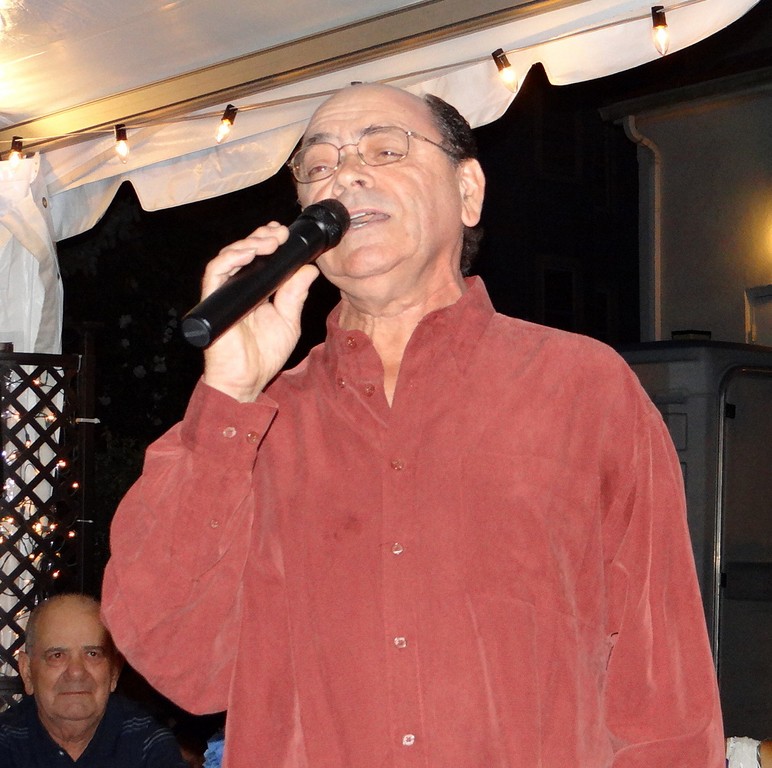
The first fado singer was male. He sang and spoke only Portuguese so it was difficult to get the gist of the song. He had a great voice and alluded to singing with his favorite singer/partner of 41 years. We think they are married.

They did a couple of duets before he turned the stage over to her. His name is Jordan Paiva. She is Ana Vinagre, the singer we like best.

The face of fado is expressed by Ana.

The fado originated as a sad and emotional lament, an ancient tradition in Portugal where the women sang out their anguish as their husbands, fathers, sons and brothers went to sea in their whaling boats. No one knew when they would return or if they would return. Some voyages lasted two years and the boats usually returned with someone missing. It was their livelihood, accepted, but with heart-rending consequences for some, and thus the fado was born.

.

.

.

Her voice will always stay with me. The fado is every night from 8:30 to 11:30 during the festa.
During a break, the folorico band, the local Grupo Troup played; the dancers came from Sacramento, California.

The Grupo Troup from the youngest…

…to the oldest. The woman on the left, we heard from chatter in the audience, is said to be over 100 years old. She sits to play her little noisemaker instrument.

An accordion is a major instrument in the Grupo Troup.

They played and sang several numbers before the dancers took to the floor.

An unusual instrument native to Portugal is the stick with figures that the player moves up and down to sound the castanets. He also uses the gourd hanging at his side. (Click to enlarge the photo.)

The little boy plays a miniature instrument of the same kind.

The folklorico dancers performed in the center of the tent and were warmly applauded and appreciated. I have to say, I love the Festa and would attend every year if I could.


