Showing posts with label packing. Show all posts

Friday, October 3, 2014

SURVIVAL KIT, CONTINUED.

DSC05417 - Copy (Copy)

I began this blog yesterday, opening up two of my survival carriers. A foldable stool, and my backpack. My thought when I began putting this survival "kit" together about 40 years ago,  was based on thoughts of getting lost in the woods, or going over a cliff and having to rescue myself, or being stranded on a lonely road. No GPS, no cell phones, many lonely roads. The thought being, if I'm stuck in the woods for a night I can remain warm and dry. If I need to leave the scene, I can carry my back pack with any essentials, and attempt to get out of my predicament. However, over the years, what I've used mostly, is blankets that I've given to stranded motorists with kids, an elderly woman shivering in a park, a man laying on the road waiting for an ambulance, rescuers asking for a blanket to prevent shock. I've gotten overwhelmingly sleepy while driving several times, and pulled over, took a nap and used a blanket. I've used the toilet four times. Mary Jane said, "I'd just go out in the woods?" I won't go into detail of why I was in a place without woods and needed that toilet, once for a passenger in my car. I've repeatedly used jackets, towels, dry socks, gloves, scarves, for myself and others. It is very handy to have an extra jacket in your car at all times.
DSC05419 (Copy)

The last packet I opened, a sturdy carry bag contained, a stout cloth band that you could tie around something to portage it up hill, or drag wood pieces to a fire, or drag something with you that you may need.  Another jacket? Holy cow! A heavy scarf, two easy carry water bottles, a package with a space blanket, more bungee cords...
DSC05418 (Copy)

A closer look, two foldable hand saws, something to read to pass time, including an article on survival, a fishing hook pressed into a cork, a small film can with two very mini sinkers and fishing line, plastic lines to hold fish, a sturdy carry bag (blue) that can actually hold water like a foldable bucket. A quarter for a phone booth. Now I can laugh at that. A metal can to drink from or cook in for a cup of soup or tea, or just to heat water. Mary Jane asked me if I carry energy bars. At one time I carried lotions, chapstick and food items. They melted and made a mess. I also carried canned tuna and soups at one time, and in this bag you will see my can opener. But food aromas attract animals. I read the book by Euell Gibbons, Stalking The Wild Asparagus, years ago and I know what I can eat in the woods to survive. You can even survive on pine needle tea. I also tried carrying those items inside my car and a few hours in a hot sunny parking lot, melts lotions and lipstick, candy bars etc. into an unusable mess. DSC05421 (Copy)

So in this sack, I had more socks, a scissors, a push button screemer to scare off anything, animal or human. Can opener, clothes pins, a single clip, another sweatshirt, a tool kit of screwdrivers, and my two easy carry water bottles.
I've learned a lot about this little exercise. Number one, how I've over done some things and lack others. My small hand pole with reel, I no longer have. No extra pants, or clothing for warm weather. No road flares, no meds, can't figure out what happened to my snake bite kit and first aid kit? I found one single package of band aids. Where is my ace bandage? No soap? I do have a comb in the car. And, I had no identification or medical information about myself in my pack, like the ones Jim and I carry in the refrigerator of the motor home. Yup, my survival kit is going to get a revamp. Food is a good idea now that  there are so many dried backpacking foods available.
DSC05421 (Copy)

I expect this exercise may have bored you silly. People usually laugh at my survival kit. It is something built into my psyche from my childhood. My dad always preached survival to my sister and brothers when we were kids. We lived in a log cabin in the woods where it was a necessity to think about such things. Someday, I'll tell you about the time my husband and I  left Murphys for Reno on a beautiful warm fall day, dressed lightly in leisure suits,  hit a bear, wrecked one half of our car, leaving us without one head light, and a door that wouldn't open on the driver's side. We continued on to see Sammy Davis. Left after the show, got caught in the mountains on the way home that night, in a freak snowstorm, that morphed into rain, hail, mudslides, and put us shivering, in a ditch. If you run the heater, you can run out of gas.  My husband no longer laughed at my survival kit.

Tuesday, August 5, 2014

SEMIAHMOO CANNERY MUSEUM.

DSC07652 (Copy)

About a mile from Semiahmoo Cannery is the Semiahmoo Cannery Museum. Easily identified by a totem sitting in front of twin buildings. The museum is run by volunteers and asks for donations. The second building most likely supports it by rents from weddings and other affairs.
DSC07648 (Copy)

The bride smiled sweetly when I took her picture. There was also a bride at the cannery, but I was unable to get her picture. Suffice it to say, both parking areas were very full and busy on Saturday. But, brides are always good luck. What a happy time for them.
DSC07700 (Copy)

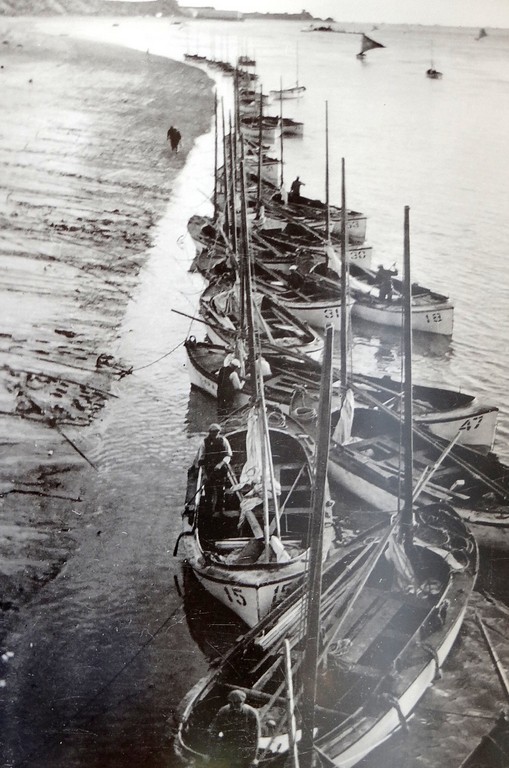
It started with fleets of small boats, netting salmon during the run and hauling their catch to the cannery.
DSC07662 (Copy)

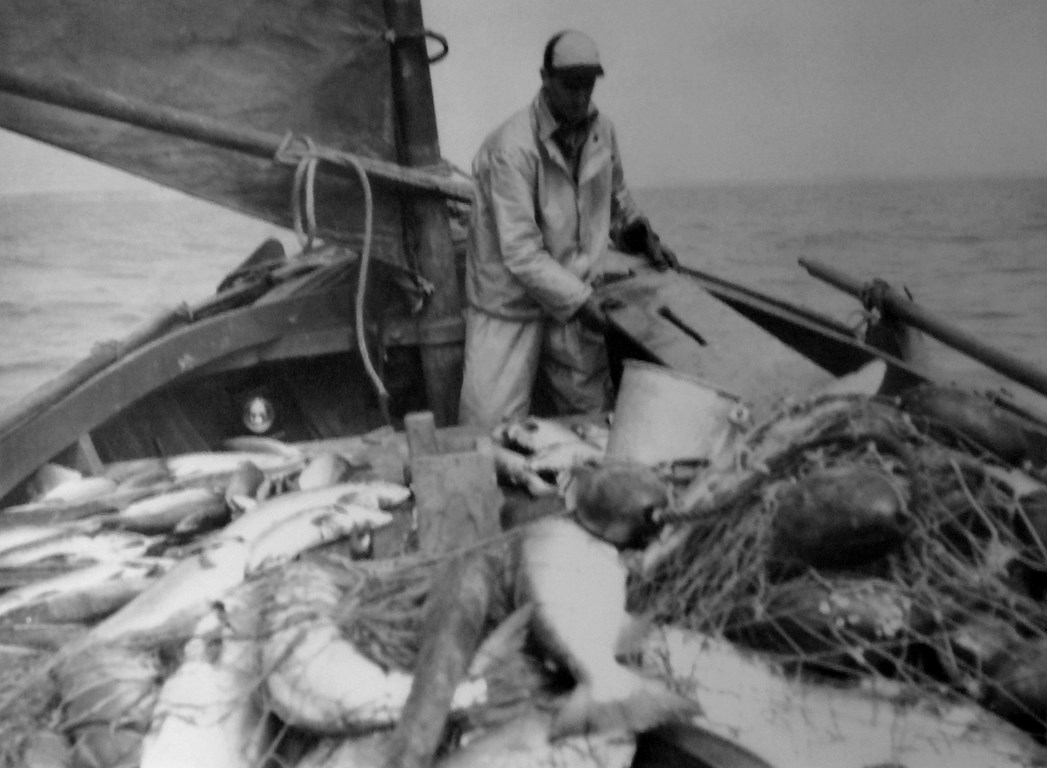
Every day, these guys would go out and load their boats with fish maybe two or three times in one day. They’d bring in enough fish to feed an army.
DSC01221

They would net enough fish to actually fill the boat, and look at the size of the salmon then. Not a small one in the net.
DSC07674 (Copy)

Salmon became the biggest West Coast Industry along with logging and big companies stepped in to reap the bounty. Fleets of company boats went out salmon fishing everyday instead of individually owned boats.
DSC07695 (Copy)

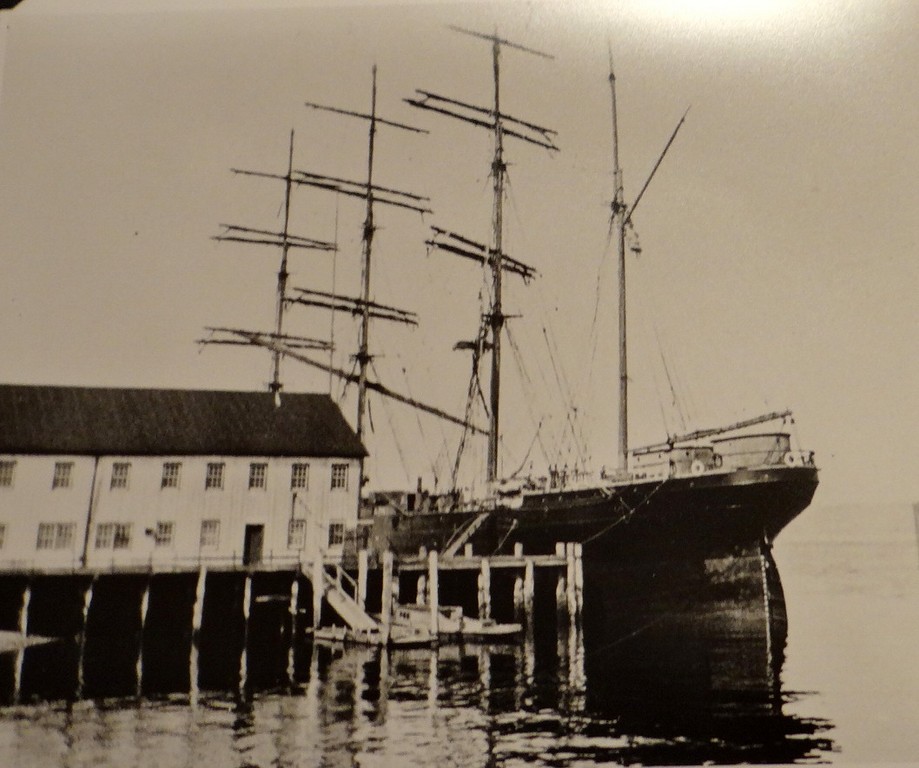
There was a cannery on every river from the Pacific Northwest to Alaska, 50 of them.  They all knew each other an competed. Only one, at Dillingham, Alaska is still in operation. There are new ones, but not the old canneries from the 1900’s. Most are gone. The boats, went to huge wooden sailing ships, like the one above, then steel sailing ships, to motorized ships. It became very big business indeed and is still a corporate operation today.
DSC07689 (Copy)

The real dirty work of cleaning fish by hand,  and loading cans and boxes of fish for market demand, was done mostly by about 30,000 Chinese workers imported to do a dirty and dangerous  job. Some had boats and fished for themselves but they were not welcome to compete on the water.  Always industrious, they still managed to send money to their families in China, considering it was a short, seasonal job.
DSC07653 (Copy)

All that changed with the invention of the Iron Chink, patented with that racially charged name by Edmond Smith of Seattle in 1905. It revolutionized the canning industry. Each of the nine Iron Chinks at Semiahmoo took the place of 15-20 laborers on the fish line. The machine could process more than 100 fish per minute. The industry grew exponentially.

DSC07682 (Copy)

The only reminder of the Chinese contribution to the industry in the museum, the Iron Chink and these two whiskey bottles.
DSC07698 (Copy)

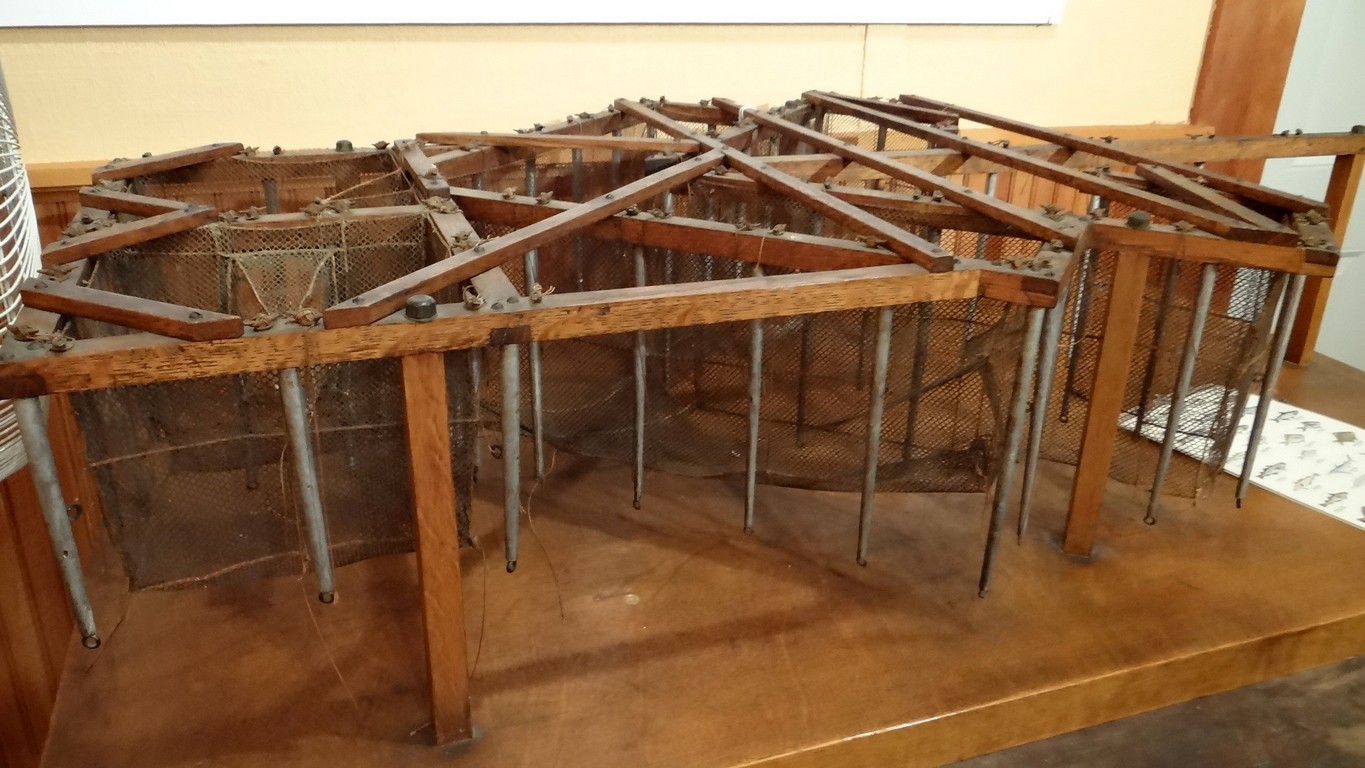
Before the big ships and the big corporations took over the industry, local fishermen decided to fish the way the Indians did, by building fish traps across narrows in the rivers. The take diminished so badly within a couple of years that the traps were outlawed. The Indians fed themselves, they didn’t fish commercially.
DSC07685 (Copy)

The cans were flat, then rounded and fitted with a bottom and rim before being filled with fish and sent through the cookers, and capped.
DSC07659 (Copy)

Then they were labeled, packed for shipping and found their way into our pantries.
DSC07687 (Copy)

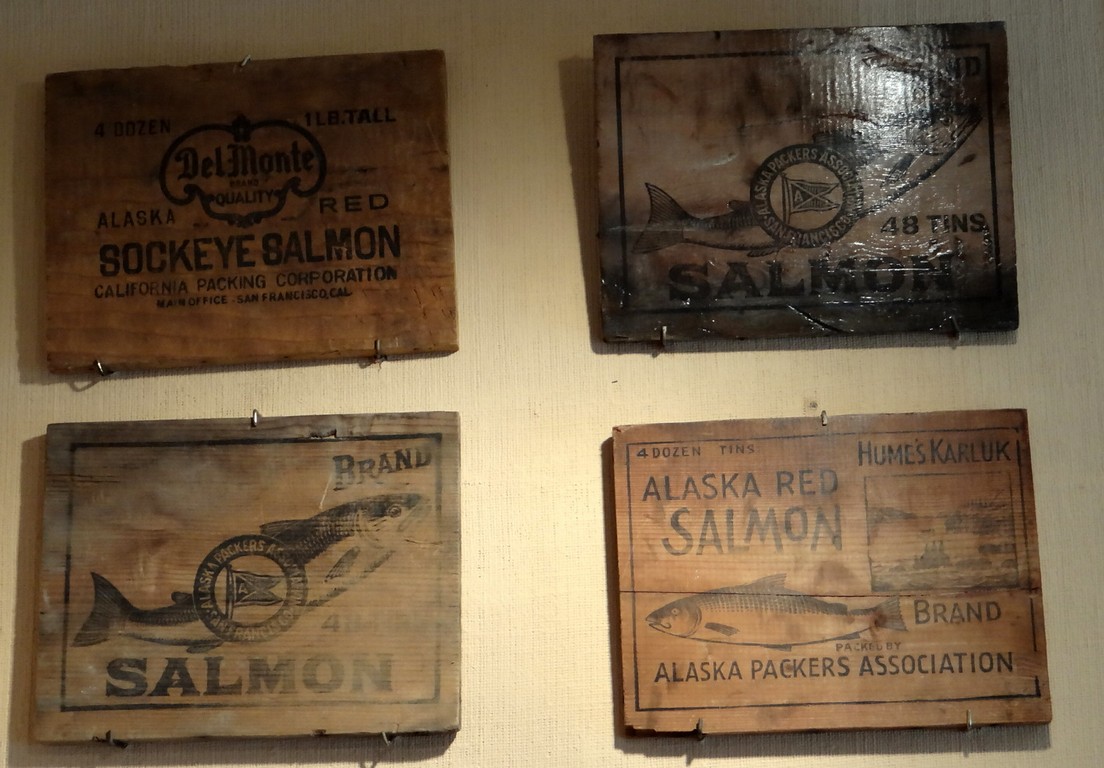
Labeling and building boxes was a side industry of its own. This stencil machine was invented in 1911.
DSC07691 (Copy)

The stencils were metal and used over and over again.
DSC07692 (Copy)

Applied to the ends of the boxes, that held four dozen small cans of salmon, less of the larger cans.
DSC07696 (Copy)

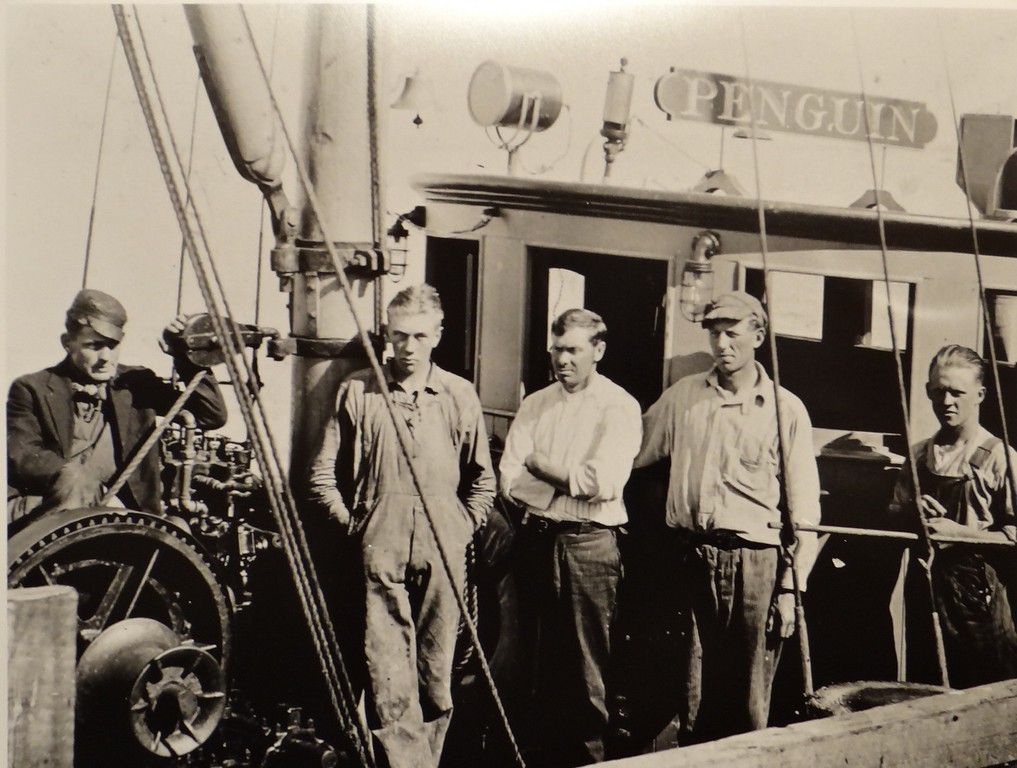
The Penguin was a popular local boat under Captain Thorstenson.
DSC07669 (Copy)

All of the pictures are copies from the museum, showing the industry as it went from one man operations like this one…DSC07673 (Copy)

To huge netting operations like this. The museum has a wonderful film that captures the story as it unfolded from the 1880’s to present day. In the film, a woman who worked the office of the cannery said, “If you ask around, even today, you can hardly find anyone who didn’t work the salmon, or had an uncle, father, or grandfather who worked the industry. And they loved it.” This museum is only open during the summer months and we missed it on my first visit here in 2009. It is well worth visiting.