Showing posts with label history. Show all posts

Thursday, February 25, 2016

THE NEW FACE OF GENEALOGY.

DSC07840 (Copy)

Two big projects keep me busy and off-blog. I'm organizing and selling a huge stamp collection. And, I'm completing my mother's genealogy. Before she died, I promised her I would submit five generations with proofs, that she had worked years to complete, to the Mormon Genealogy Library. It is one of the largest in the world. However, the old days of submitting a pedigree book with hand or typewritten information, following your lineage for five generations, the only amount the library would accept, is no longer done that way.
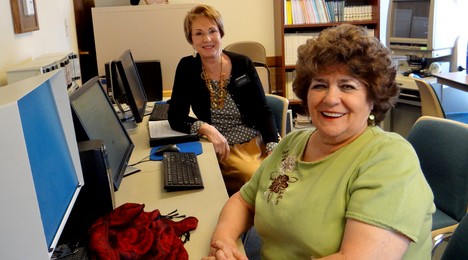
 Meet Debra Newcum, left and Jean Oliver from the Family History Center at the Latter Day Saints Church in Murphys.  Debra is doing her Mission in the area for 18 months. Jean is head of the church's  Family History Center. I made an appointment with Debra over a month ago, choosing what I thought was an open spot in my calendar. I figured three days, it would be done. A vast new world awaited me. Genealogy is done on a computer and uploaded on-line. It is through their free program with multiple tools that can take you back to first recorded records. Jean, for instance,was able to trace her descendants to the 1600's. Debra had to go to Britain to physically get her records at great cost before this program was available. In the Mormon faith, when multiple marriages were encouraged to increase the clan and colonize, following a family tree is more complicated than most. I was blown away. I suspect I will be spending a year on my project.  I'll try to make it interesting enough to get you started on your family tree.

 I also recommend the PBS program, Finding Your Roots which is done with amazing insights into famous people who know nothing, or very little, about their descendants. Last week they found a first. A descendant that was burned at stake for being a witch. More interesting than fiction.
DSC07841 (Copy)

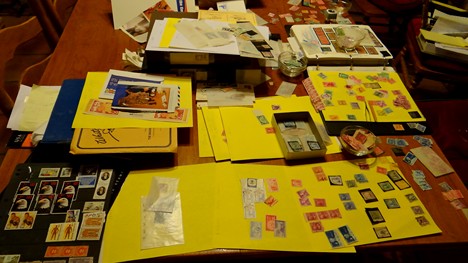
Getting my stamp collection organized for sale, I also considered a week at most.  I had forgotten how massive my collection is and how much work I'd left to be done. I kept buying stamps as I was raising kids and living a demanding life, thinking I'd get back to it "later".  Later is here and I'm stunned. There is much work involved, but I'm enjoying my stamp collection for the first time in years. I'd forgotten how much history there is surrounding stamps. And, how much family and friends seep through from simple handwriting, addresses and post marks on envelopes.
A local store is named "Stories In Stones".  There are stories in stamps and genealogy both. What an adventure I'm enjoying.

I must limit this entry because I have a tenant moving. Refurbishing it after  seven years of one occupant, driving to Oakland, considering paint, new counter tops, upgraded cabinets and so on. Decisions to be made and attended to. Life is never static. Ciao

Wednesday, October 7, 2015

SHUCKS, WE ARE STILL QUAINT.

The local News comes in my mailbox and the front page feature story from Oct. 2nd, was: Jamestown sidewalk project dedication slated for Saturday. 

Whenever I have out-of-town guests, I like to take them to Jamestown because they have  wonderful antique stores, a great ice cream stand, and a couple good restaurants. And, during the summer tourist season, the townsfolk put on a parade and other events. I've been there many, many times and never gave the lack of complete sidewalks a second thought. Part boardwalk, part asphalt, part sidewalk, some areas on the edge of town are dusty ground in front of buildings that you can walk on, drive on-to,  or even park willy-nilly. When I saw the headline I realized how quaint we still are. A little bit of Maybury, USA.

Murphys used to be the same way. We once had an old dusty barn right in the middle of town with a blacksmith shop in it. And, horses shoving noses over the fence on the corner of Church St. and Main. Some vacant lots have been marvelously transformed. The businesses have taken great pains to clean things up, modernize a lot. But it isn't a big improvement. Now, businesses come and go. The wine people have taken over the town and there isn't much of interest anymore until a parade or event takes place. Well, I'm being harsh. The Park with a creek running through it, is still unique and attractive. I'm sure the business association would disagree with me.

The Jamestown Area Planning Committee connected Railtown with Main St. with a guided walk displaying medallions of all the movies filmed in Jamestown. And a new mural will be up soon. Very fashionable. It may be a huge success. 

I think I'm turning into a crabby old codger. I liked both towns better the way they were.

Tuesday, March 19, 2013

CORNED BEEF AND RUMMIKUB.

004 (Copy)

I’ve learned a lot about corned beef since I prepared mine Jewish style on Sunday. I always thought corned beef was simply brined brisket, and I was sort of right. The salt is crystals not brine. Anyway, I soaked mine overnight and drained away the water before boiling it with a large onion and four bay leaves. It was less salty and I think I’ll do that from now on.
001 (Copy)
 
I scraped away that huge covering of fat, studded it with cloves, added pepper, (not in the recipe, but it worked out fine.) 002 (Copy)

I slathered it with dijon  mustard, surrounded it with peaches and juice and baked it for about an hour and 40 minutes. It didn’t get as tender as the fresh brisket does. It retains a firmer texture, probably because of the salt.
005 (Copy)

I cooked the potatoes, carrots and cabbage in the broth.
006 (Copy)

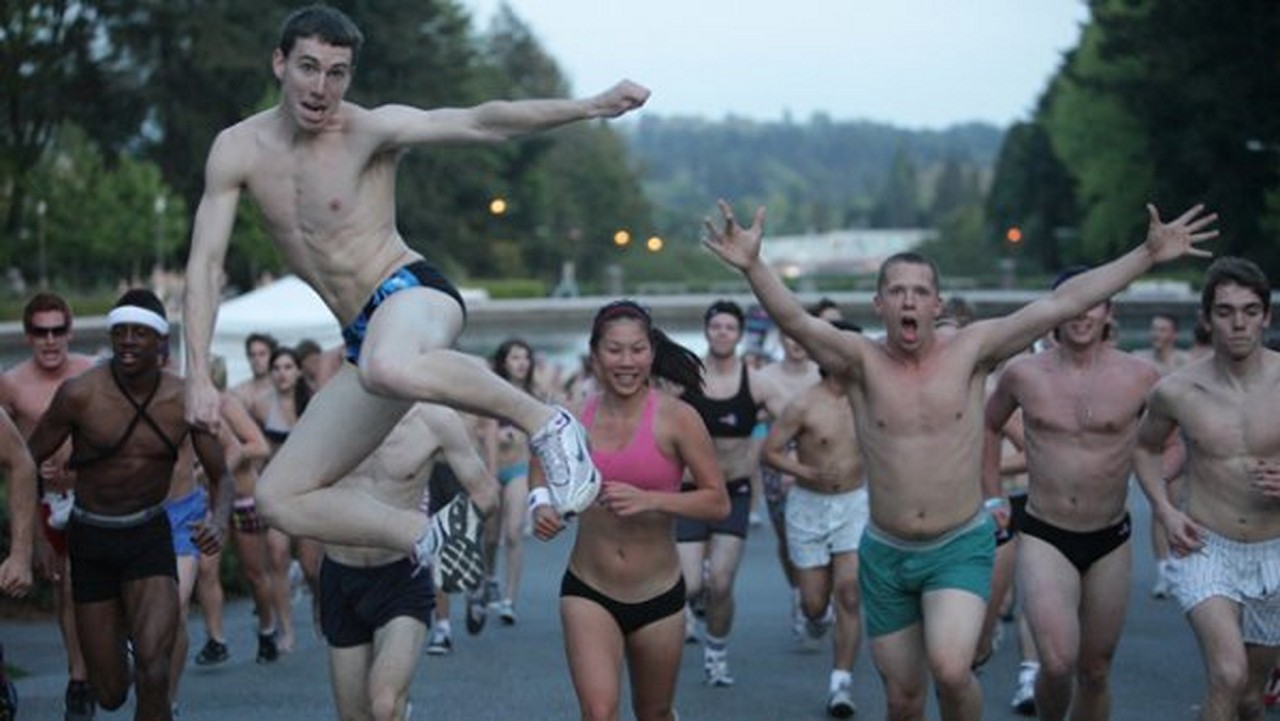
I cut my cabbage so a part of the core holds them into a wedge shape and put them in during the last 10 to 12 minutes of cooking. Cabbage loses its flavor when overcooked. It tastes great just tender and slathered in mustard. I’d have to say, the peach and clove flavors gave it a unique taste, but it still tasted like corned beef. Everyone liked it and the Rummikub game we played until late was fun. We chose a white wine with it. I think maybe our little dinner gathering was fun but not nearly as exciting as the Undie Run the people of Seattle love along with their Nudestock.  Still gives me a chuckle to think of it.

I said I learned a lot about corned beef because the Irish in Ireland don’t eat it. They raised pork and couldn’t afford beef. The English sent cattle to be raised in Ireland. The Irish sold it back to them preserved in salt- no refrigeration in those days- to outfit ships from both England and France. The Irish had access to cheap crystal salt and  had a huge profitable business for many years. Then when England passed laws against land inheritance and broke up families and wealth, the Irish had only the potato as their mainstay with a bit of salt back bacon. There are still more Irish in other countries than Ireland.

In the U.S. the Irish borrowed the brisket, a tough, cheap cut of meat, from the Jews and again became masters of “corned” beef.  Cooked with the “Irish” potato and cabbage about the cheapest vegetables you could buy. Survivors.
undie_run_07 (Copy)
 
(Next year I think I’ll  organize an undie run for the parade.)  We’re kind of boring.

Tuesday, January 15, 2013

LADY LEX

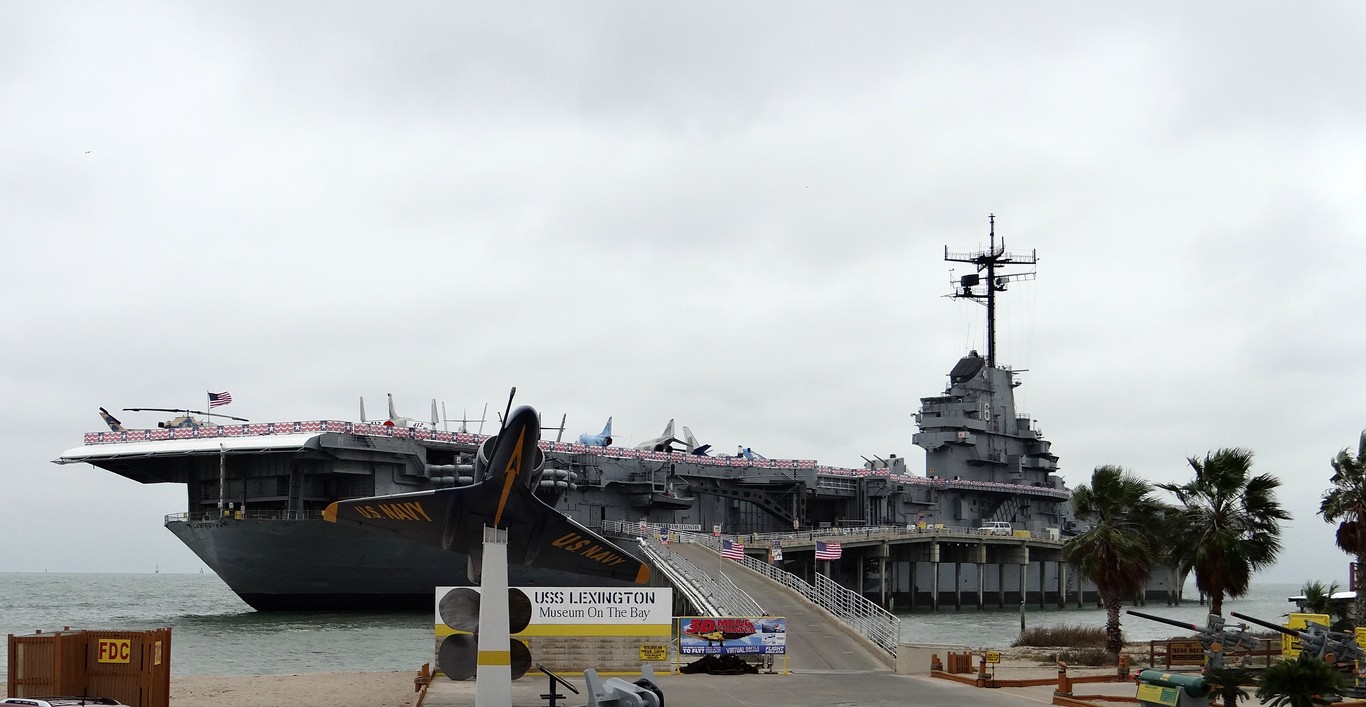
The USS Lexington is fondly called Lady Lex around Corpus Christi, Texas. She served valiantly in WWII and served a total of 48 years. The Japanese kept broadcasting her sinking, never true. She became known as the ghost ship that came back to life.
DSC00619 (Copy)

Here she sits in the harbor.
DSC00637 (Copy)

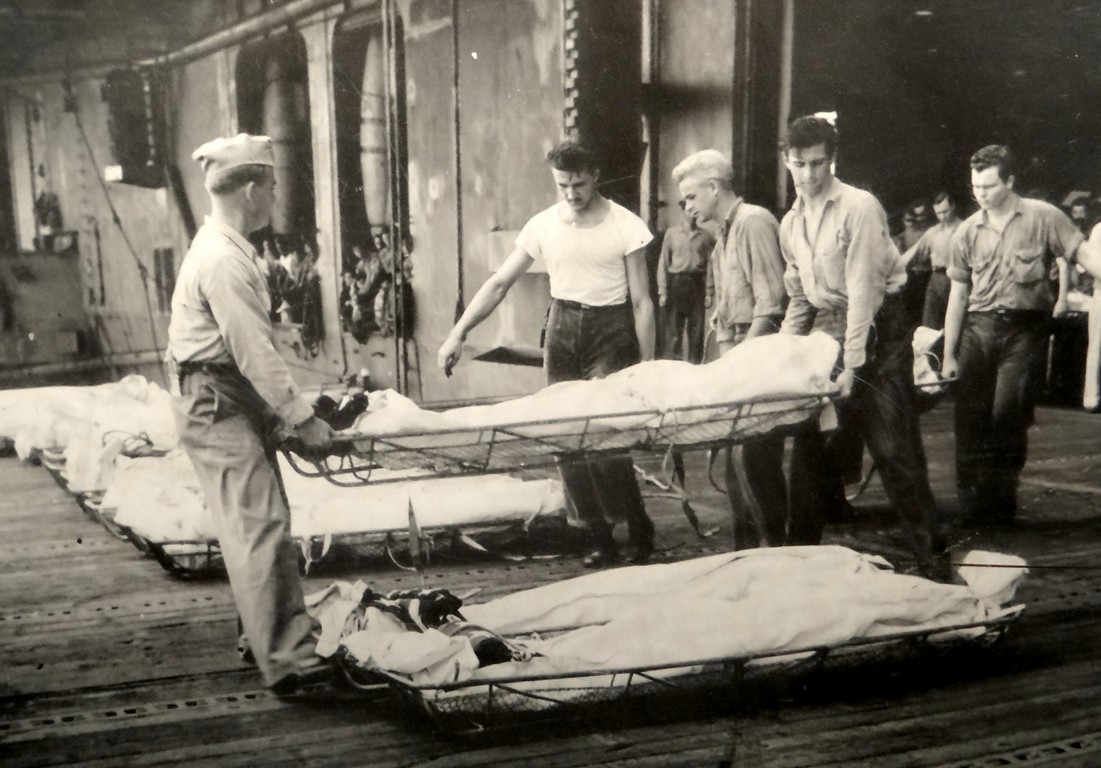
She was attacked by two kamikazes. One was shot down, the other hit her island, did huge damage, killed 47 and wounded 123 men. The kamikazes were a desperate measure by the Japanese. They recruited young men do die for their country and offered the great honor of wearing a head band (hackamachi)  used by respected feudal samurai. Kamikaze means Divine Wind, a wind god said to have repelled a Mongol fleet heading toward Japan in 1281.
DSC00635 (Copy)

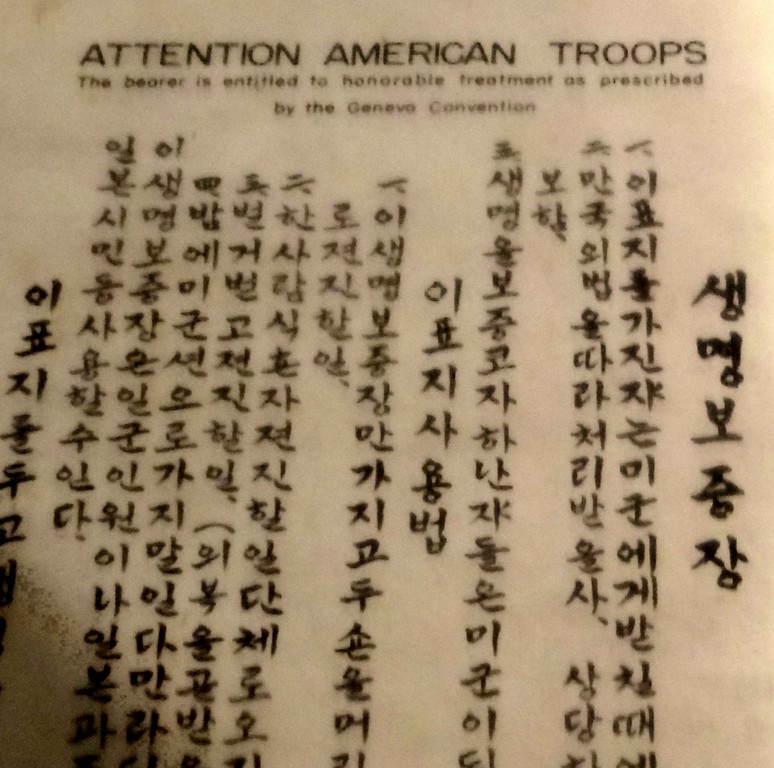
The Japanese distributed these flyers to demoralize the men. You can barely read at the top, The bearer is entitled to honorable treatment as prescribed by the Geneva Convention.
DSC00639 (Copy)

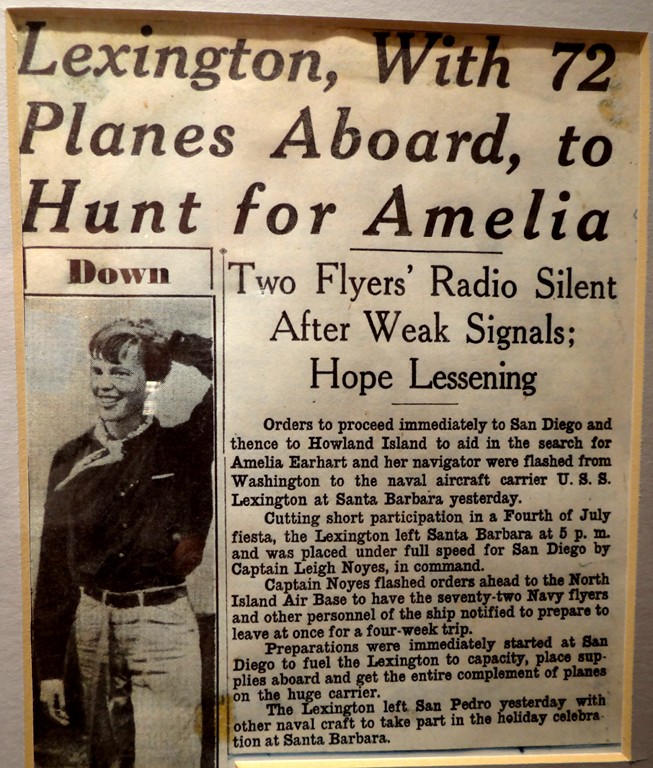
This is a very personal museum. Many letters described the attack and the subsequent sadness of burying their friends at sea.
DSC00641 (Copy)

One survivor sent in his dog tags and a piece of shrapnel from the “Zeke” they shot down.
DSC00657 (Copy)

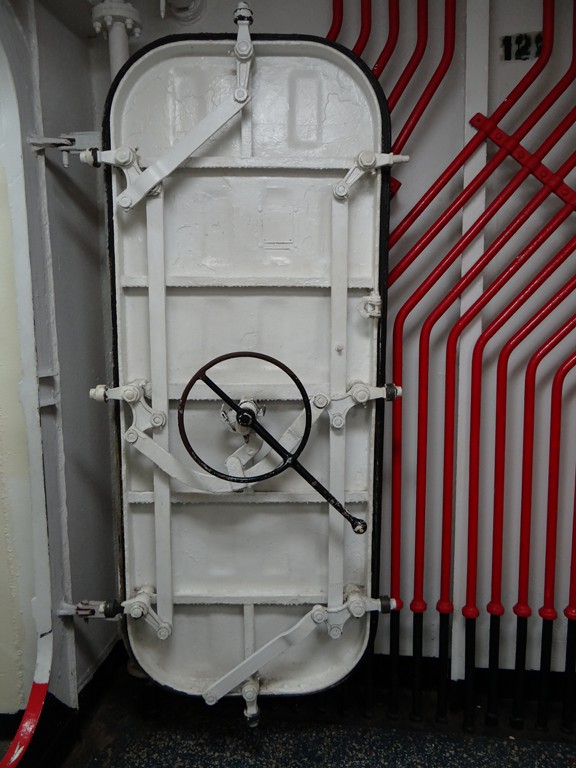
The four self guided tours take you all over the ship and while I walked I had this sense of deja vu as though I’d seen this ship before. I could see men running through the hatch doors;
DSC00658 (Copy)

water oozing up though the hatches as the ship flounders in flood mode.DSC00659 (Copy)

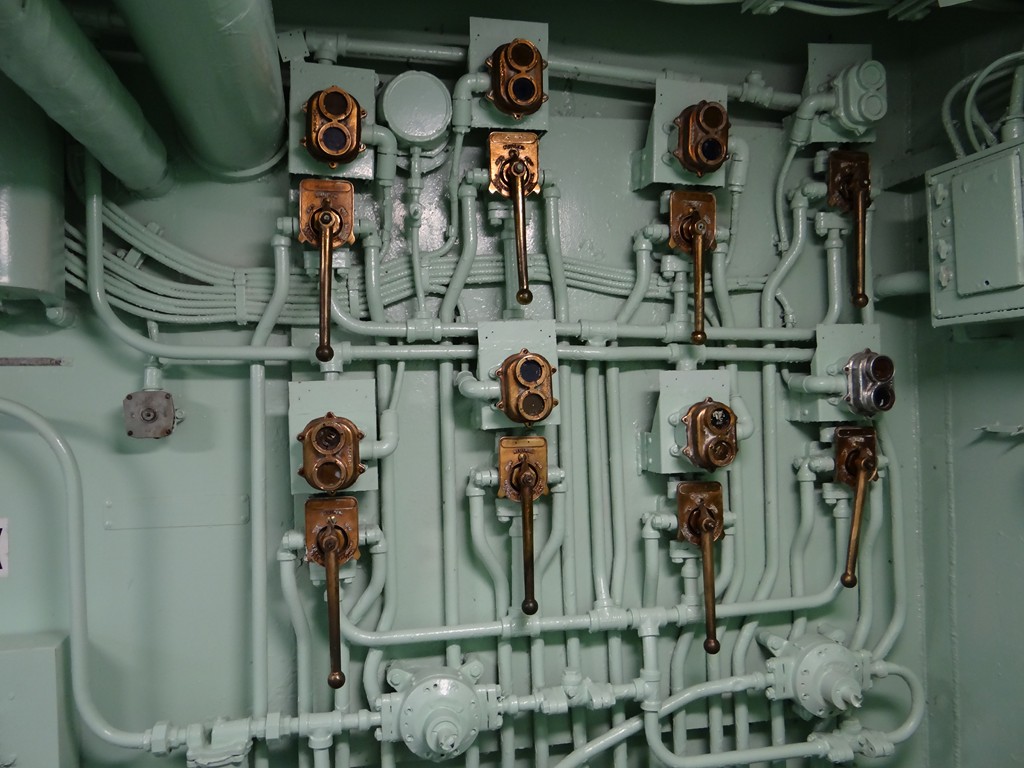
I see the men running, as the horrible piercing sirens go off and some sailor struggles to turn off these valves. I was running all of those WWII movies through my brain only to learn later that indeed, the Lex had been used in several movies.
DSC00699 (Copy)

Sailors slept in hammocks like this, only 18 inches from each other.
DSC00644 (Copy)

A later refurbishment gave much improved sleeping arrangements, but the men who used them referred to them as coffins.
DSC00747 (Copy)

An old swabbie looked like this.
DSC00677 (Copy)

And a modern swabbie we recognize.
DSC00714 (Copy)

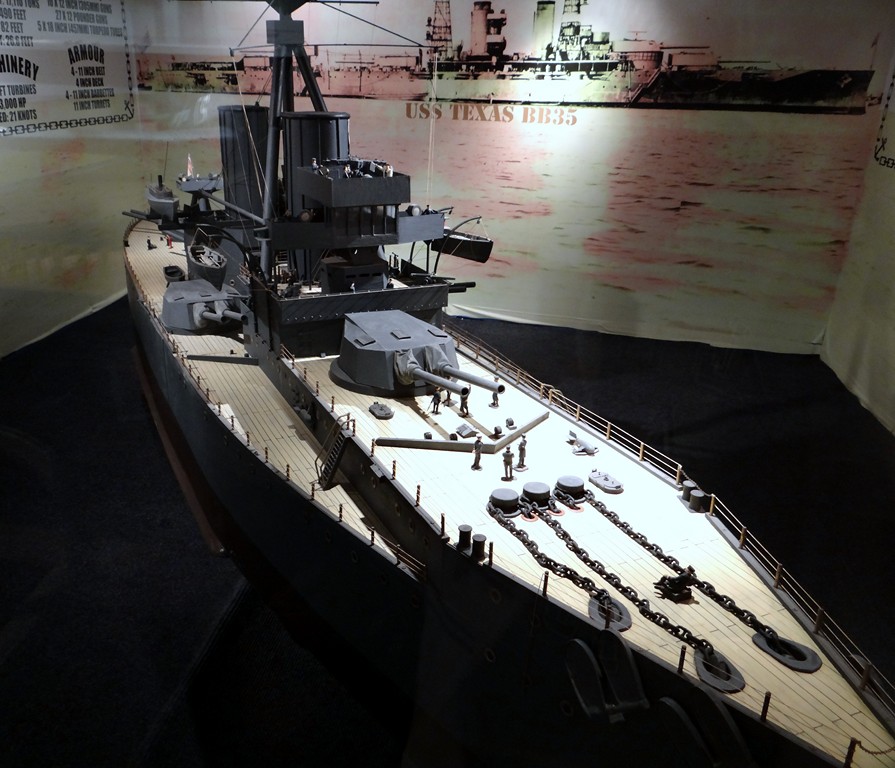
If you like models, there were rooms full of them, every size, every ship and plane.
DSC00675 (Copy)

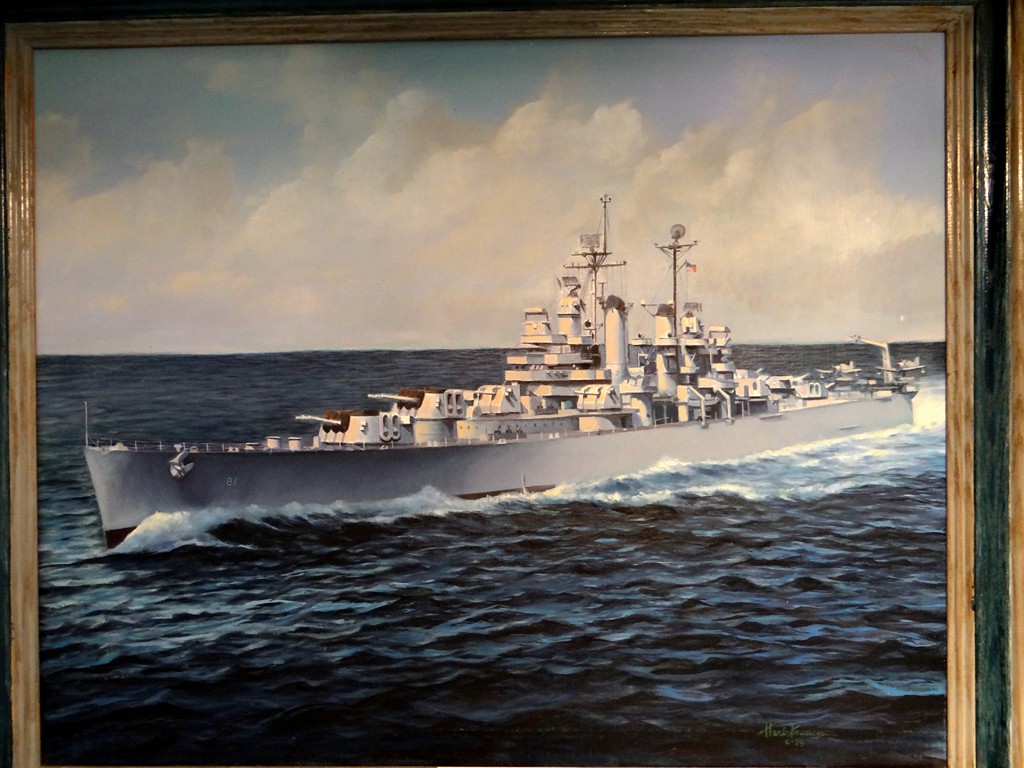
I preferred pictures and paintings of ships.
DSC00681 (Copy)

Here is the Lex going through the Panama Canal with planes like toys littering her deck.DSC00705 (Copy)

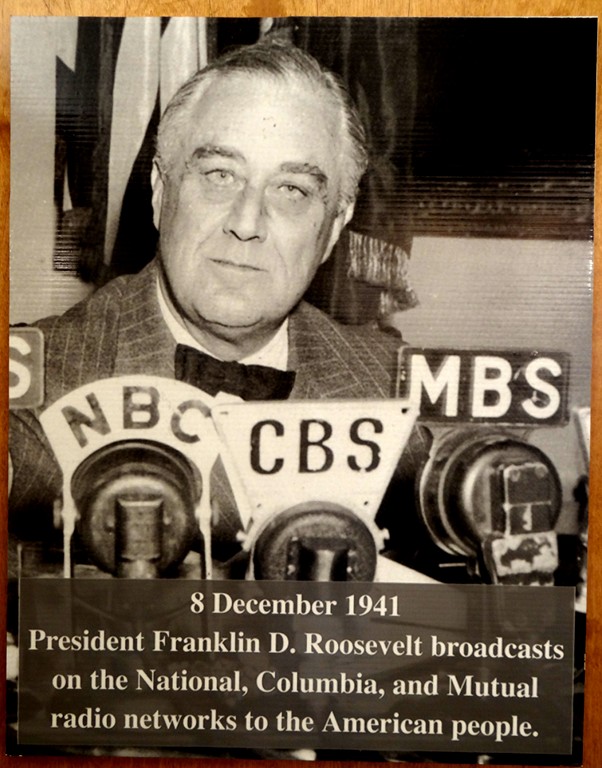
As you walk into a room, a sensor starts a recording and in this spot I heard Roosevelt sadly delineate the number of ships wounded and sunk at Pearl Harbor. The casualties in men. It was about 300 men and 316 ships, if memory serves me.
DSC00755 (Copy)

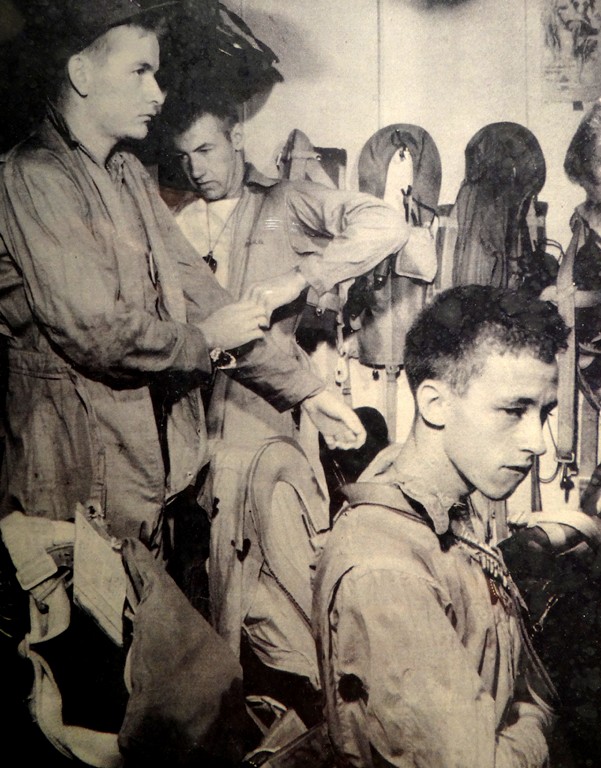
You can see the fear and sadness in these young faces as they prepare for battle.
DSC00756 (Copy)
And, the wonderful moments of relief and joy at liberty.
DSC00685 (Copy)

Other duties than war.
DSC00762 (Copy)

It was cold and windy and we viewed the deck last. Three football teams could play on this deck at the same time. DSC00777 (Copy)

The island, the control tower, is the highest part of the ship which from bottom to top is 19 stories high.DSC00763 (Copy)

I climbed into this wheel well and Jim took my picture.
DSC00770 (Copy)

I liked the painted personality of the Skyhawk, the plane I crawled into. DSC00772 (Copy)

The navigation room, again gave me that deja vu. The compass on the right, with the huge compensating  ball-magnets keeps the compass functioning. So, I got to massage the navigator’s balls, as they are called.
DSC00775 (Copy)

The life rafts are now reversible, so no matter what side they fall on you can get in. But, it isn’t water proof. Brr, that’s cold.
DSC00739 (Copy)

There was so much to see here. We spent four and one-half hours on the ship. Pricey, we thought, at $11.95 each, senior price, plus $3.50 for parking.  We also ate a delicious cafeteria style lunch on board. But, they also show two major movies wearing 3-D glasses that were absolutely stupendous and worth the price of the ticket on their own. So,  go see the Lex if it is the only thing you have time for.

Friday, January 11, 2013

PORT ISABEL, SOUTH PADRE ISLAND

At last, the weather cleared and we headed for Port Isabel and San Padre Island, which is shortened to South Padre Island in this area. Port Isabel on the mainland was an important port for the fledgling American settlers, Mexico, and a polyglot of interested parties, Spain, France, Cajuns, and local Coahuiltecan Natives.Polk
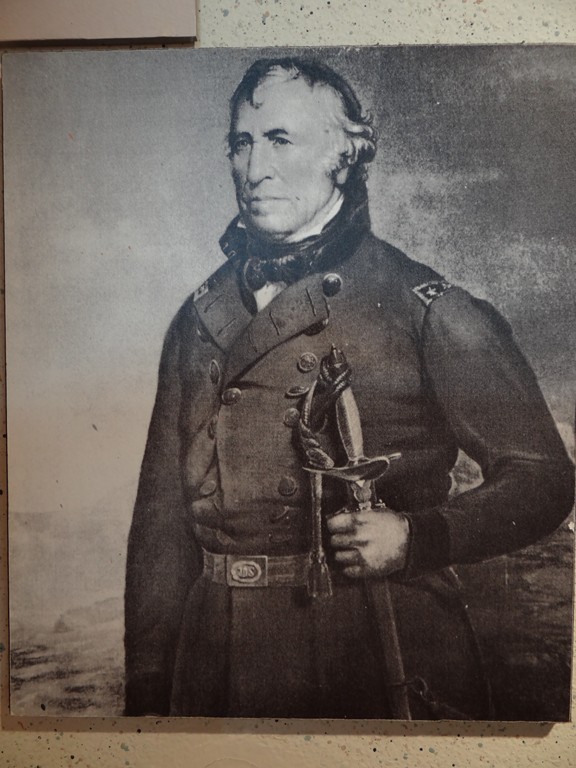
At the Port Isabel Historical Museum, a real bargain if you decide to visit. A $5 ticket gets you into the museum and a Treasure Museum and the Port Isabel  Light House. Zachary Taylor was a very successful General  in the Mexican American war under President James Polk. Ousting the Spaniards and every interest of long standing and taking that part of Tejas for the U.S. They called him Old Rough And Ready and he was a pretty rough looking dude. He could barely write but became a very good President.
DSC00340 (Copy)
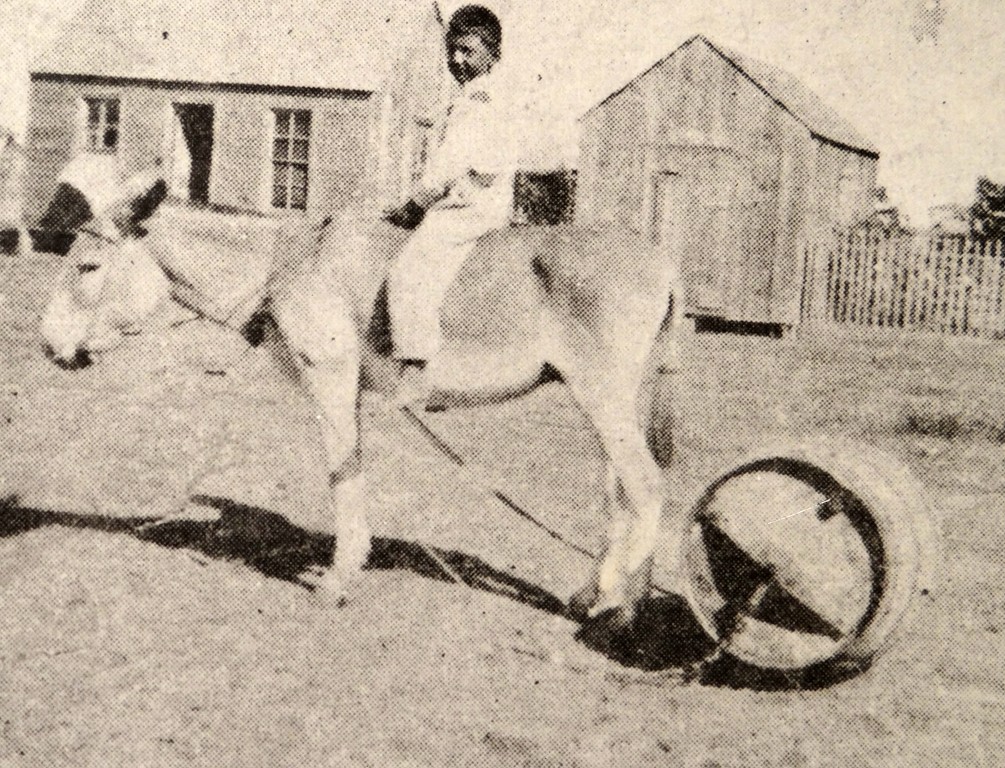
It was here that the Spaniards first brought cattle into the “states” and Texas had some of the biggest Spanish land grants. The photo shows a water delivery boy. Fresh water barrels were dragged by burrow or horse, and delivered to houses from fresh water wells.
DSC00342 (Copy)
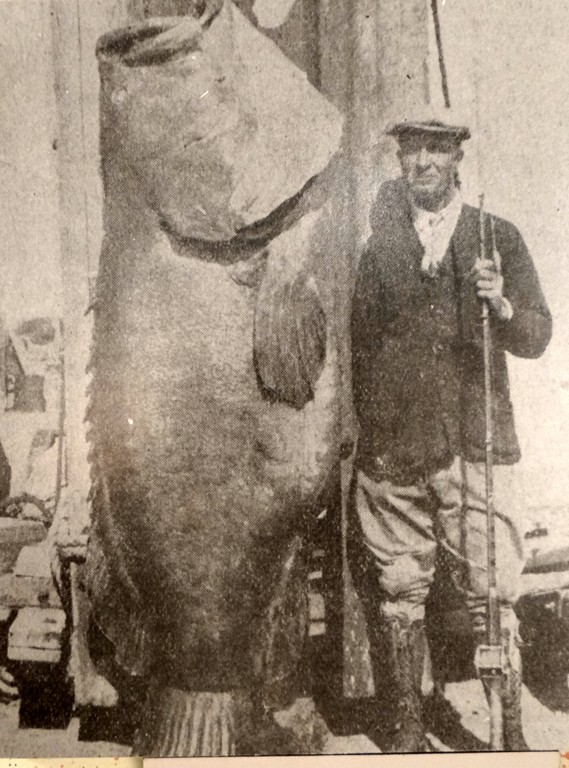
Located on the gulf the area was notable for its fish, like this record 800 pound jew fish and tuna that also grew to giant size.  What is even more interesting is the locals didn’t use the plentiful shrimp from the area for many years.  They didn’t know what to do with it. They dumped them into the ground for fertilizer until a foreigner  showed them how to eat them. From the 1950′s through the 1970′s, Port Isabel was the shrimp capital of the world.
DSC00349 (Copy)
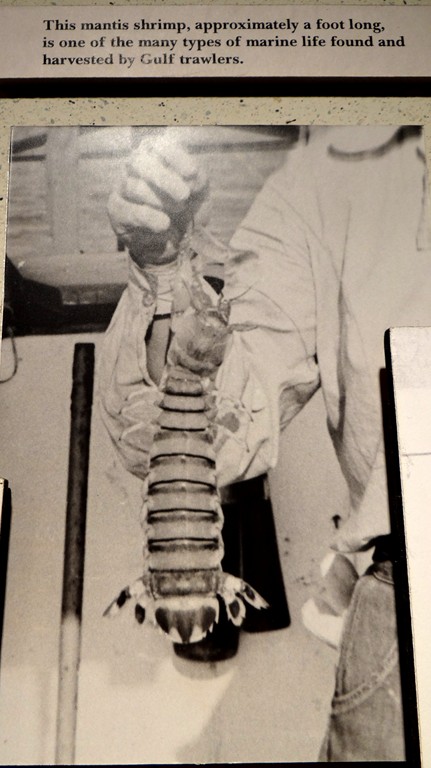
I had never heard of nor seen a mantis shrimp until this week. I saw them in the local market and thought they were lobster tails for sale. Now, I know better, but I will have an opportunity to try them as we travel up the coast.
DSC00367 (Copy)
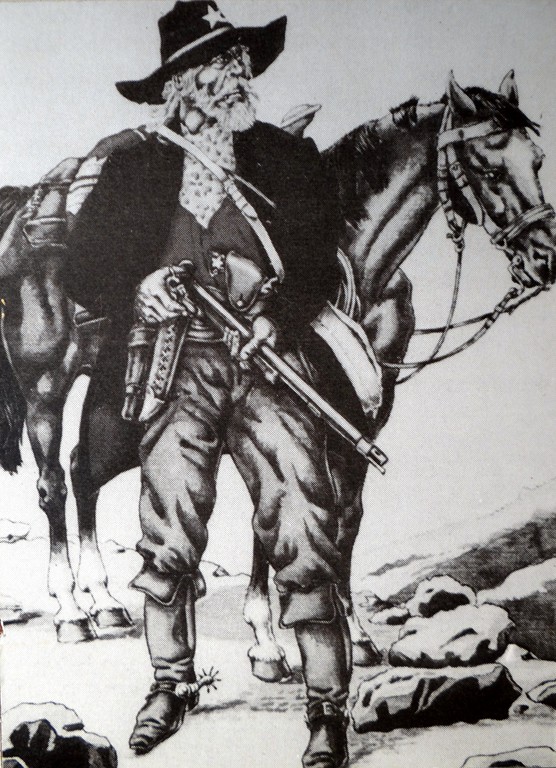
Early Texans, were rough fellows who adopted their dress code and habits partly from the Spanish, Mexicans and soldiering they did for the Confederacy or Union. The Museum is located in the Charles Champion building who was practically a country unto himself. They called his stop the Key to the Gulf.  He had the only store, Post Office, Railroad Station, first telephone, telegraph and Customs House in the area.  He minted and printed his own money that the locals used until one day U.S. Treasury Agents discovered the practice and as they descended on his place he dumped the coins in his well.
DSC00351 (Copy)
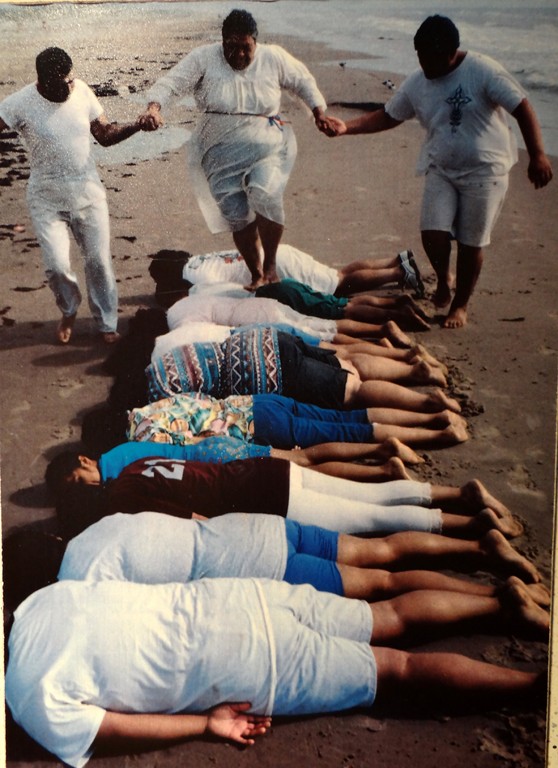
This is a local folk-American practice called Curanderismo. It is still practiced here in the lower Rio Grande Valley. Back walking, meditation, herbal teas, healing touch, is drawn from all the mixed cultural influences of Judeo-Christian, Arabic, Greek, Spanish, African and Native American cultures.
DSC00377 (Copy)
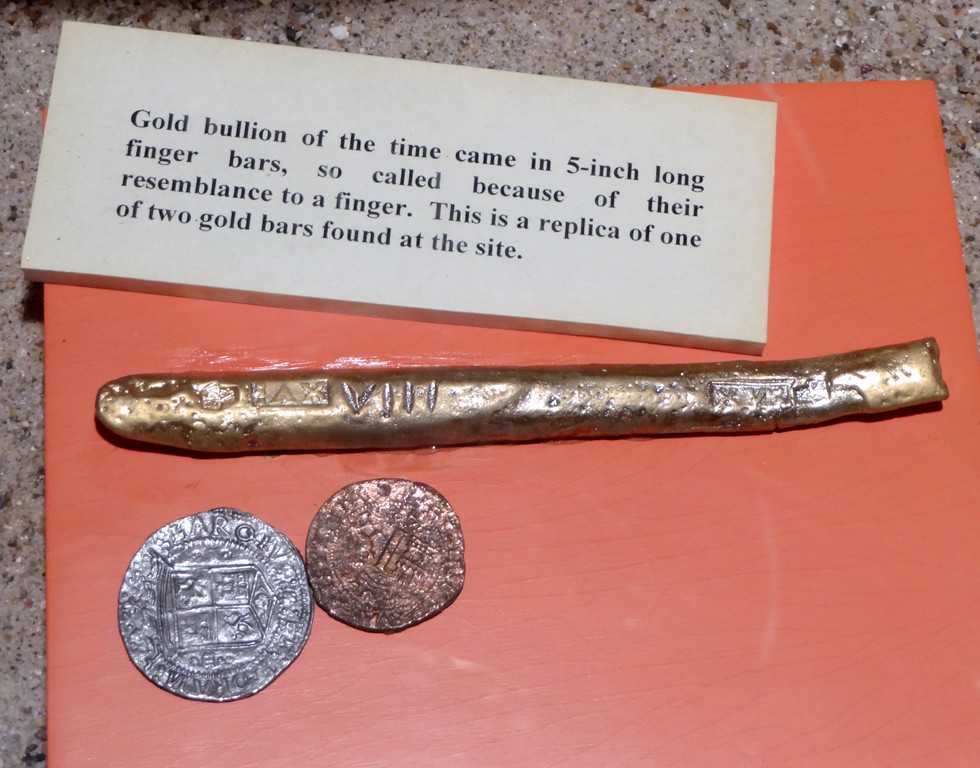
At the Treasure Museum, there is very little treasure. It happened that for many years treasure hunters would go to San Padre Island to search for coins that notably washed up on shore, old Spanish coins mostly, from three known wrecks. In the 1960′s an expedition decided to find them using diving equipment and “sounders”. They found two of them and unloaded a wealth of gold and silver. The State of Texas passed a law after that to prevent underwater archeology raiding. Now those sites are historic treasures to be shared by everyone.
DSC00385 (Copy)
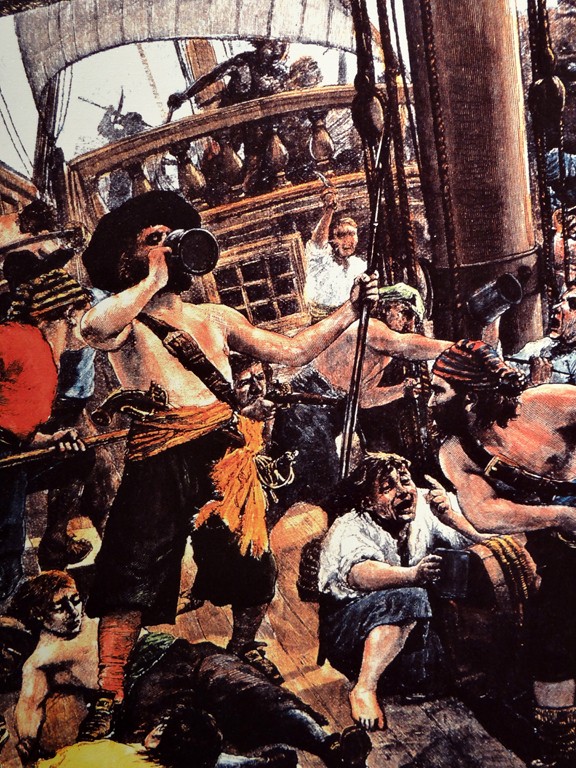
The Museum is a great hands on place for kids, with much pirate lore and has interesting displays of marine equipment, ship models, paintings, shells, and stuff you find coming in with the tide. Not all of it good.
Port Isabel Lighthouse
The Port Isabel Light House is like any number of “cookie cutter” light houses that remain along U.S. shores, but I wanted to see from the tower the whole landscape of South Padre and to challenge myself on the steps. It was only a month ago and I could hardly walk up a two inch step. I’m now doing llotibial Band Syndrome rehabilitation exercises and walking with minimal pain.
DSC00408 (Copy)
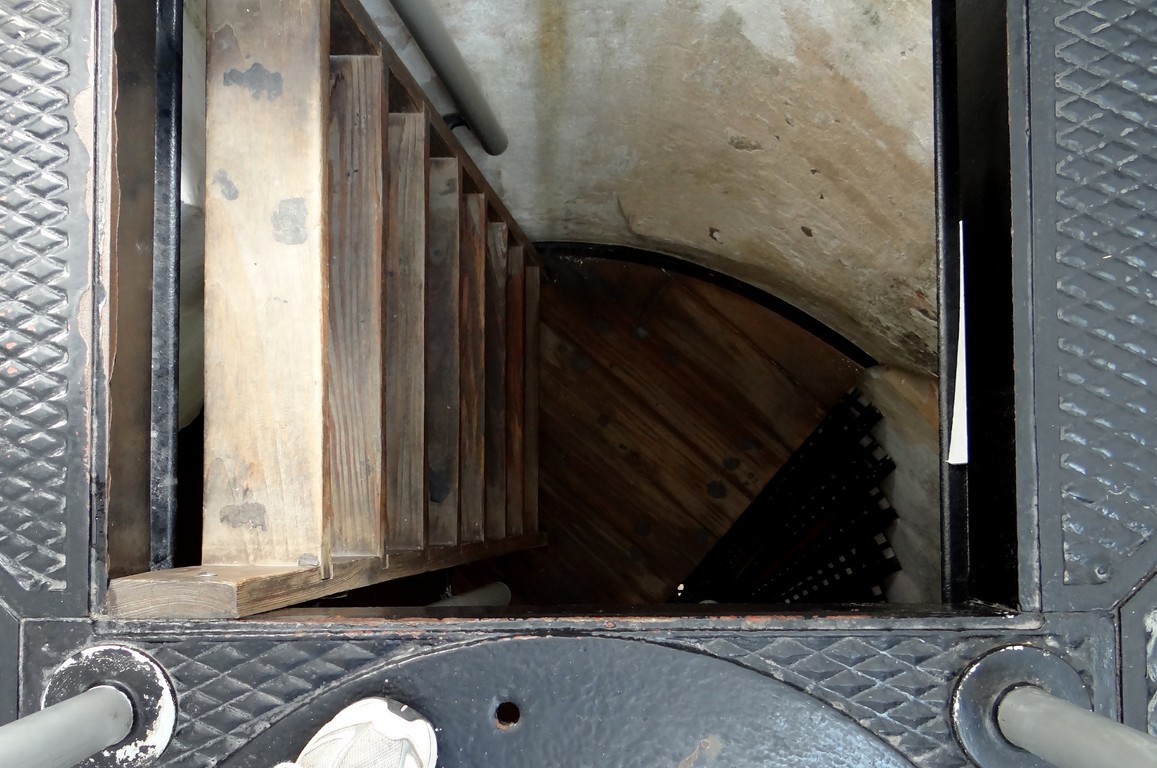
 I’m pleased to say, I managed the 75 steps–slooowly.
DSC00406 (Copy)
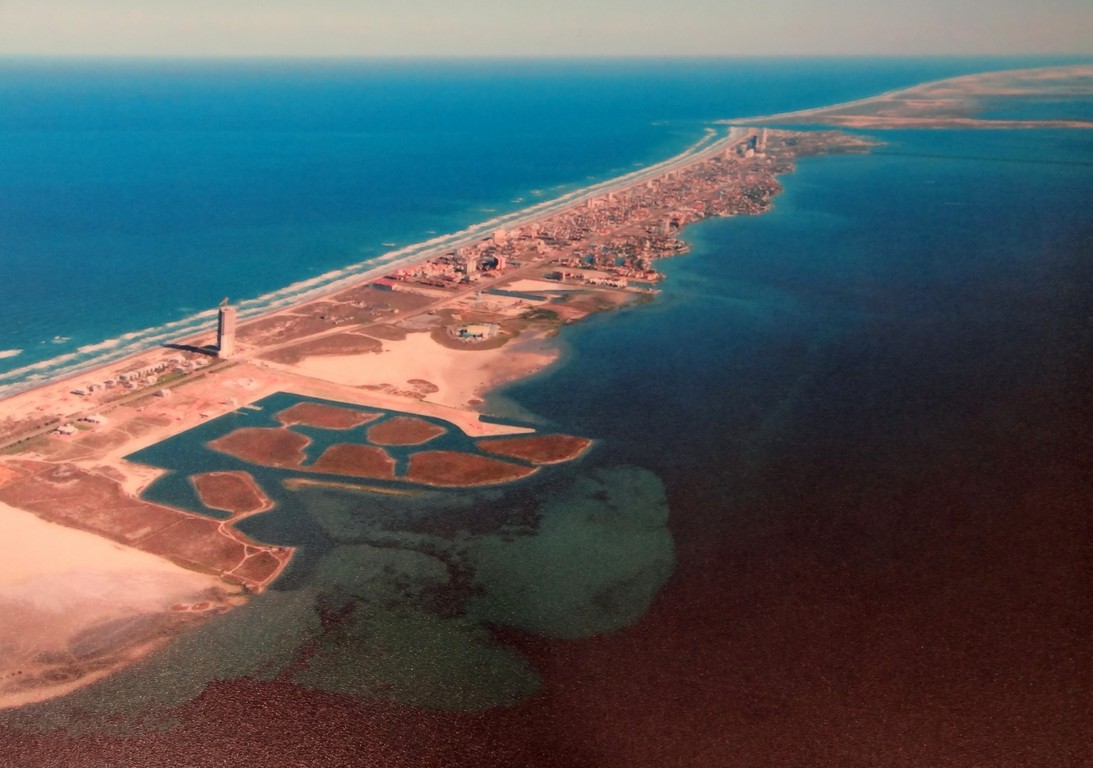
But, you cannot see the distinctive shape of San Padre Island from the light house windows.
DSC00486 (Copy)
To see the unique narrow shape of the Island, one needs an airplane. I took a picture of a picture at the Birding Center.
DSC00412 (Copy)
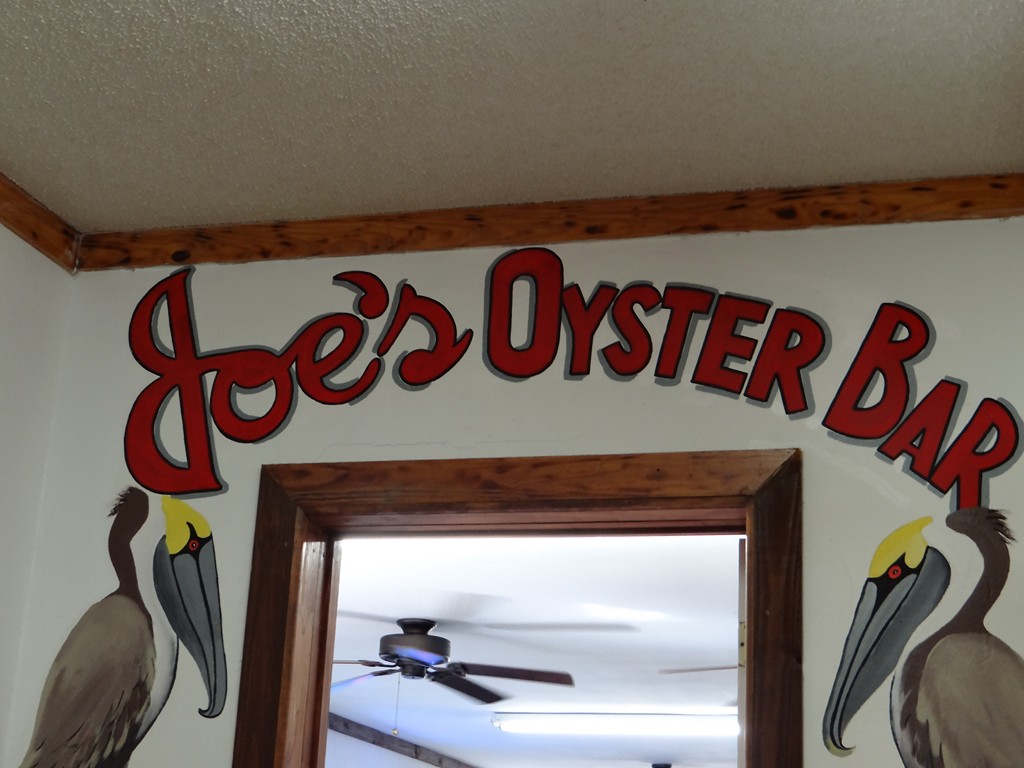
We had a great  lunch at Joes. Its a market and you have to find your way back to the restaurant part. Exactly what we like, a hole in the wall kind of place with good food and cheap eats.
DSC00436 (Copy)
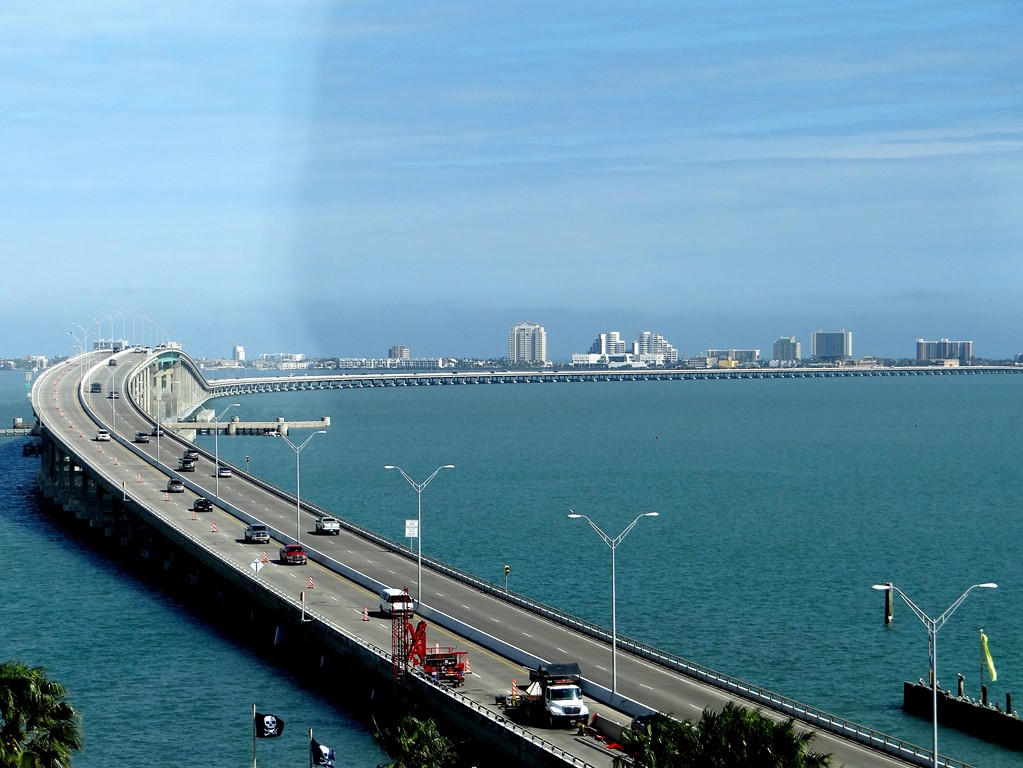
We drove over the Queen Isabela causeway onto the island and pulled in at the South Padre Island Birding and Nature Center. It was National Bird Day yesterday and what could be more fitting?
DSC00443 (Copy)
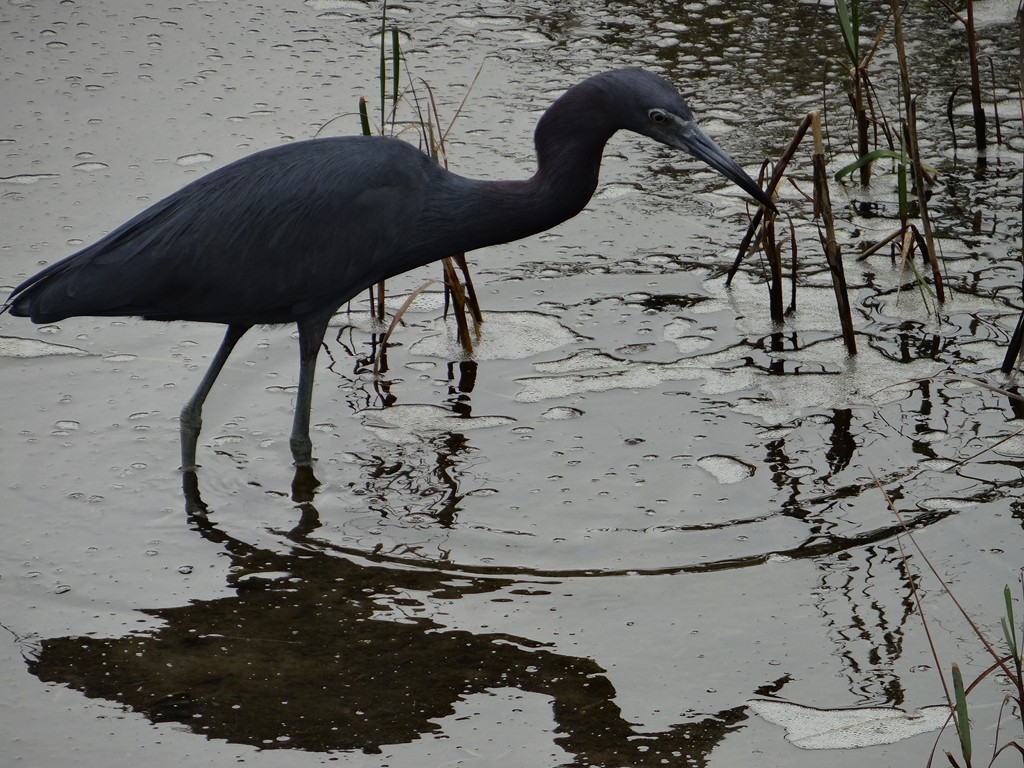
This photo has not been doctored and we got such beautiful photos we were bragging about what great photographers we are. But, once we quit oohing and ahhing, we realized that the center provides you with 4000 square feet of board walk over this wetlands which allows you to get pretty close to birds. They are used to people and ignore us. The day was overcast with no sun to wash out detail. And, we have good cameras. Soooo, it isn’t the photographer as much as the circumstances. But, in any case, we got great bird photos on National Birding Day.
DSC00453 (Copy)
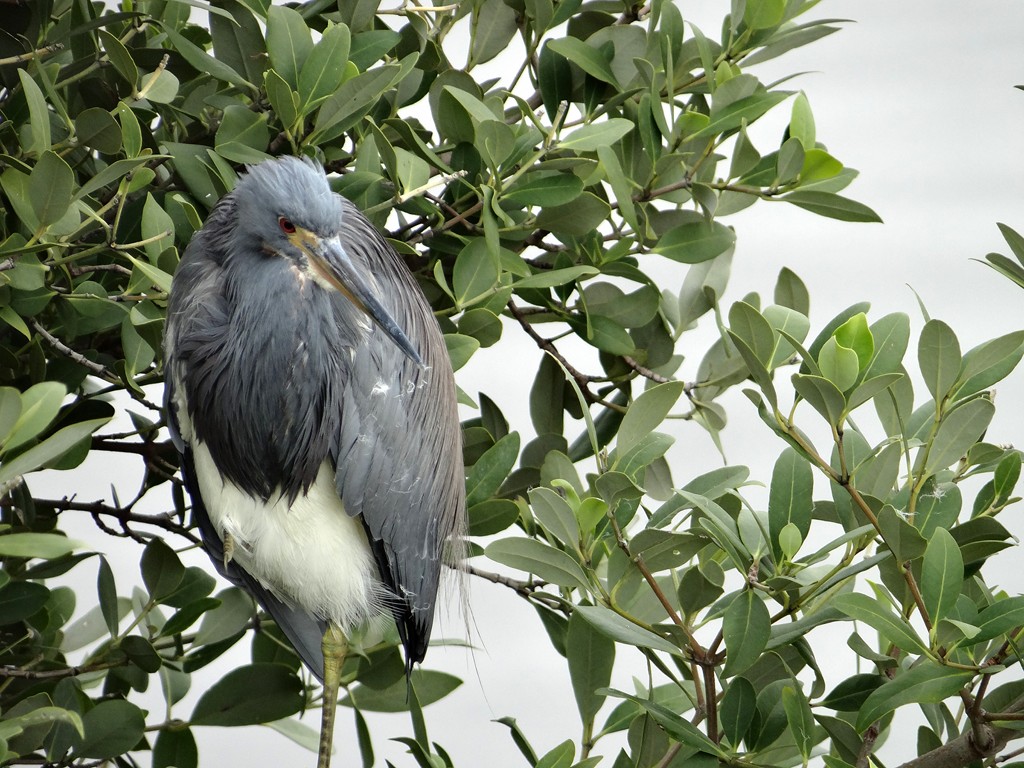
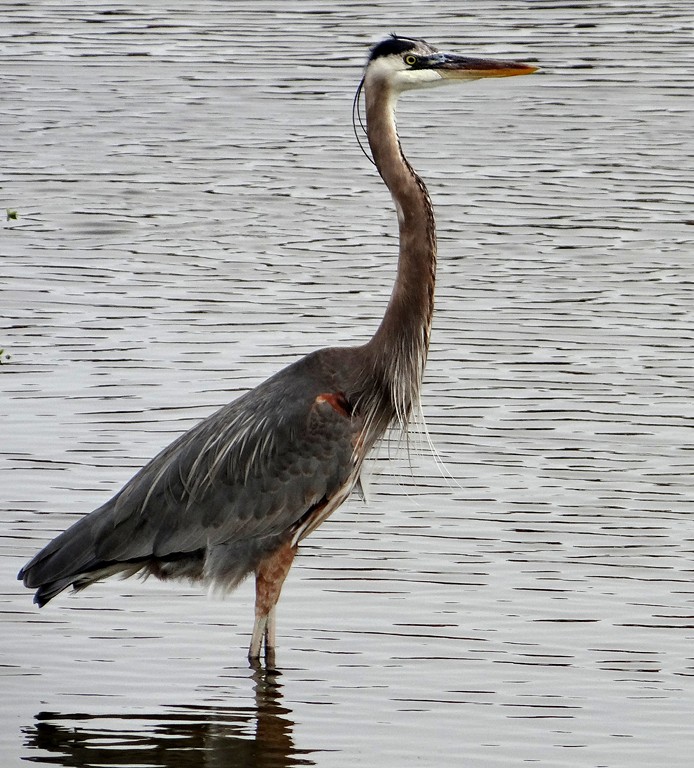
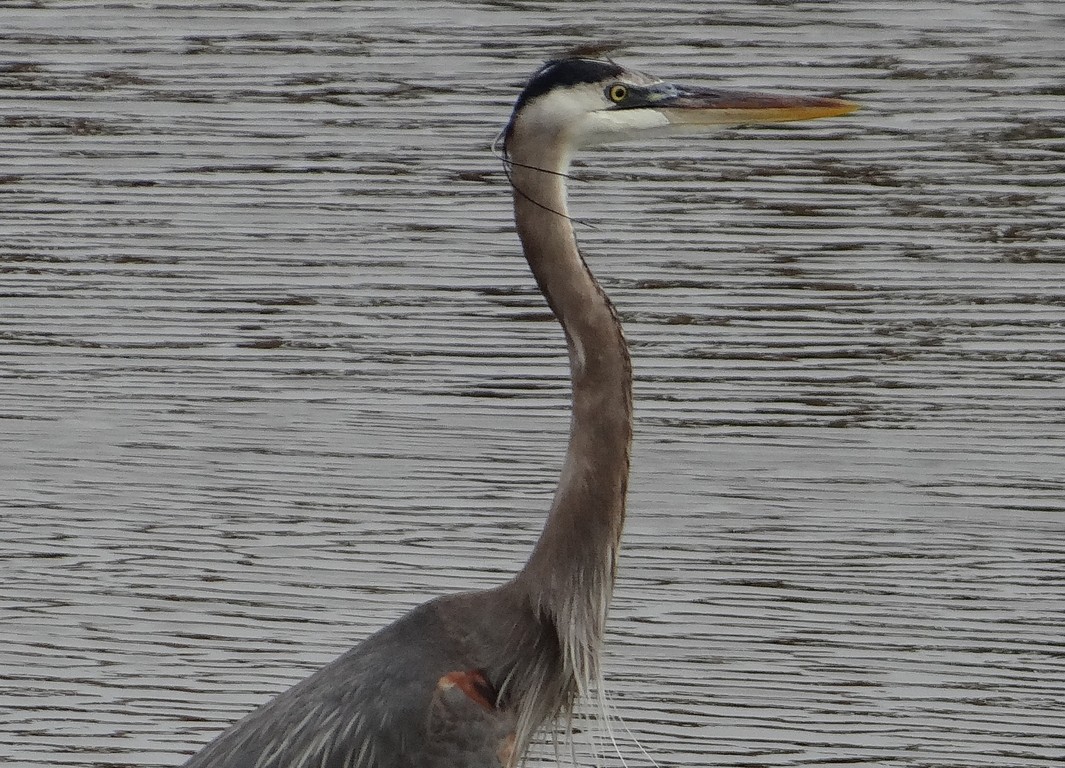
This is some type of heron.
DSC00456 (Copy)
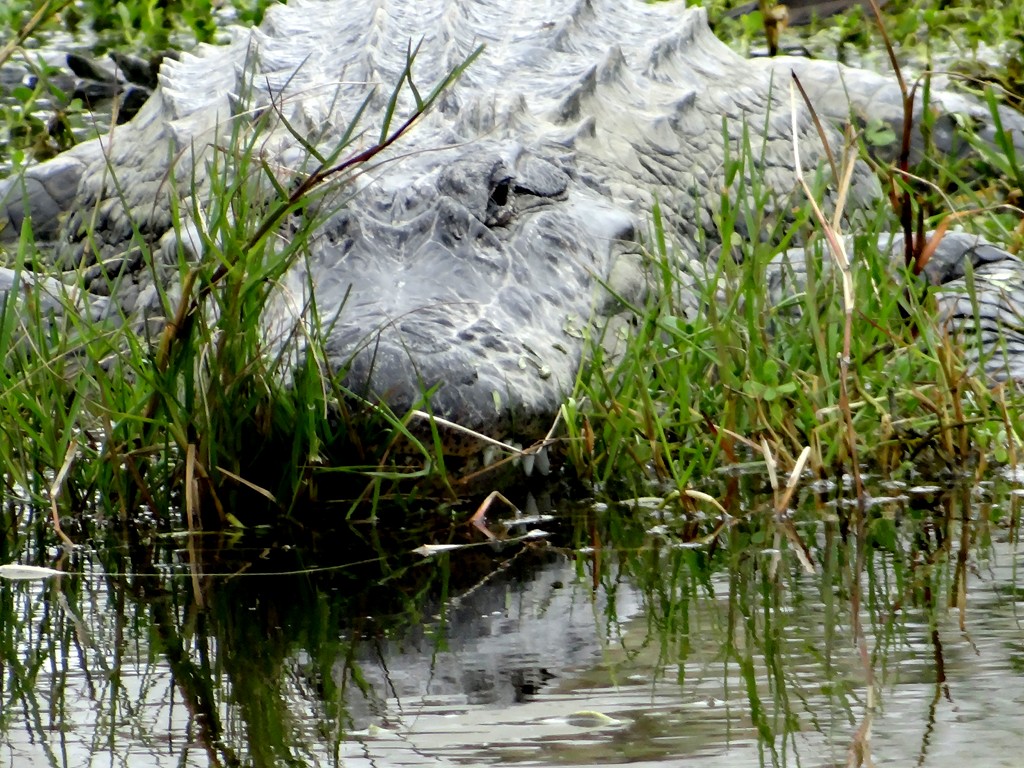
There was also an alligator with an eerily perfect  cat pattern on his face?
DSC00457 (Copy)
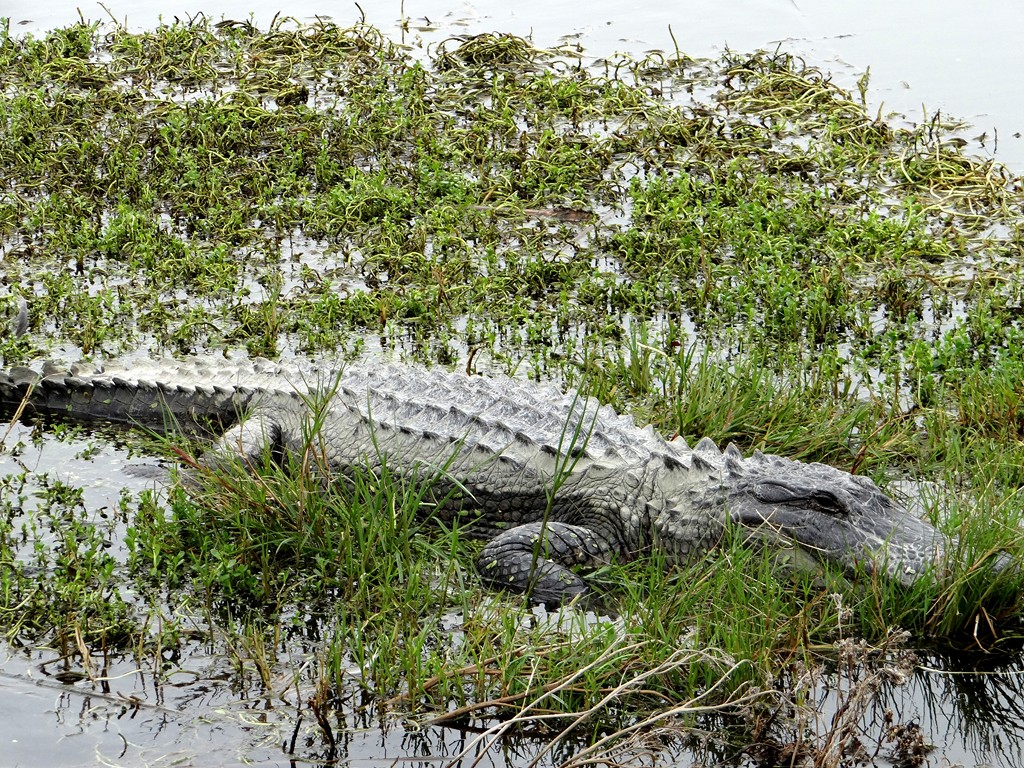
I wonder what they eat, hopefully not birds.
DSC00461 (Copy)
I had to really lighten this photo to get the red color to show. Late in the day, his head looked black.
DSC00464 (Copy)
The water,the weeds, everything was picturesque.
DSC00473 (Copy)
It is hard to believe the bright orange color of her beak.
DSC00471 (Copy)
Looking for some sun.
DSC00479 (Copy)
A white egret.
DSC00484 (Copy)
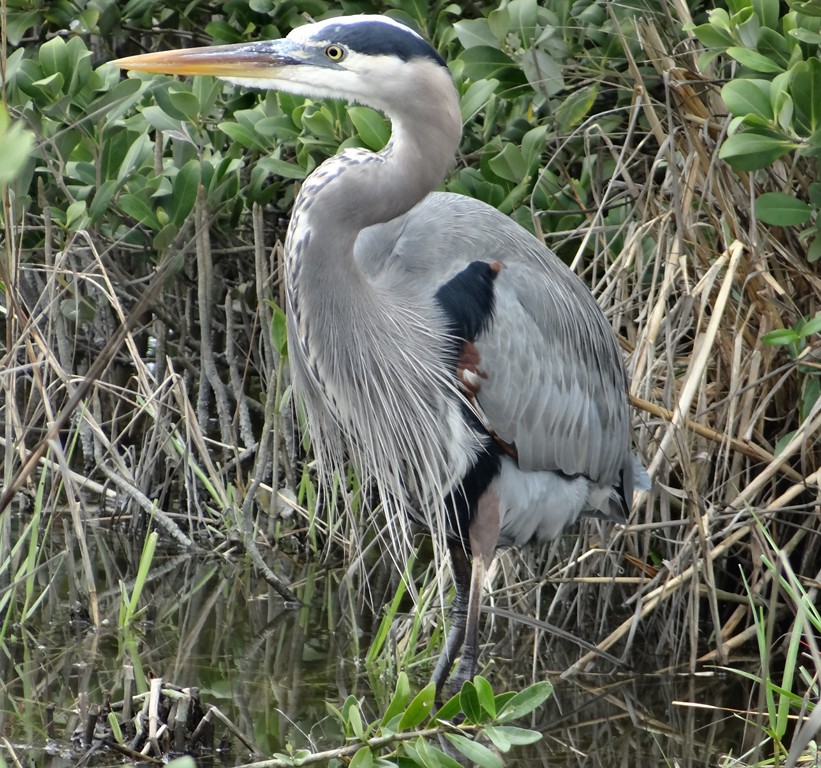
A type of heron.
DSC00483 (Copy)
Again, it was hard to believe the clarity of the photo, every feather delineated. After our birding walk, we drove through town and passed all the skyline buildings for the open beaches that Jim nostalgically remembered from his visit in 1997. Miles and miles of uninhabited beach where he pulled his motor home onto the beach and spent the night. You can still do that, we found out.DSC00488 (Copy)
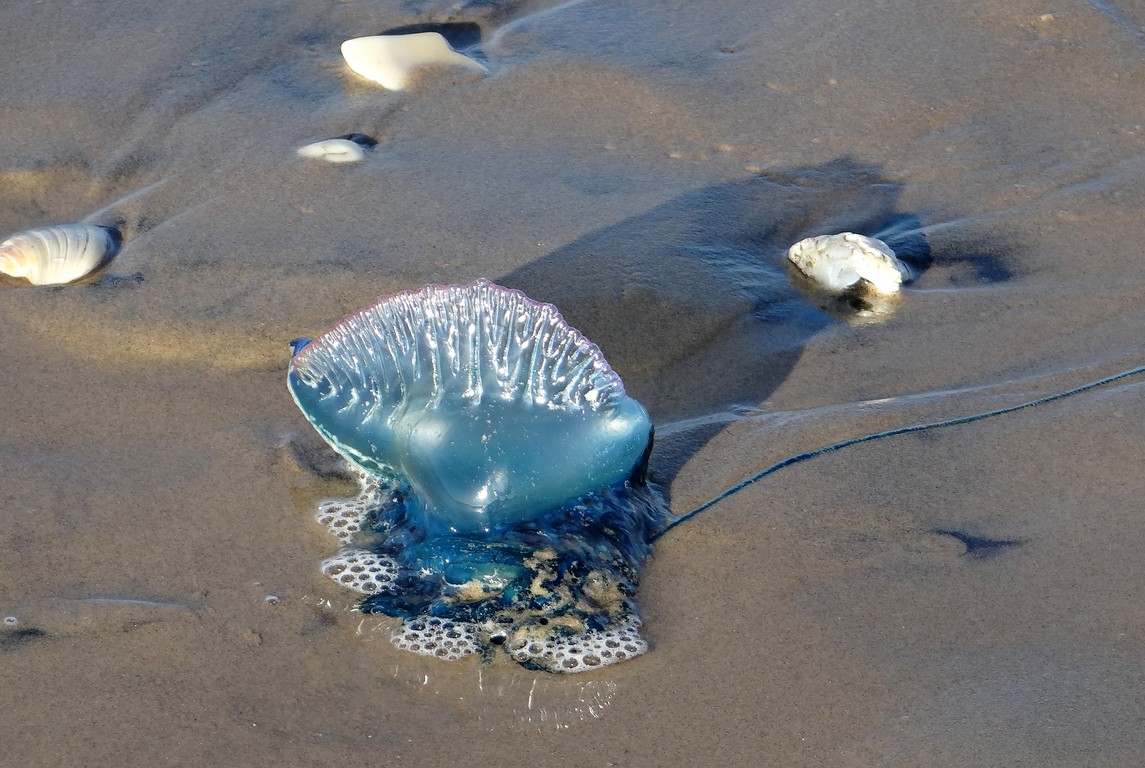
Several blue jelly fish had washed up on the beach.
DSC00493 (Copy)
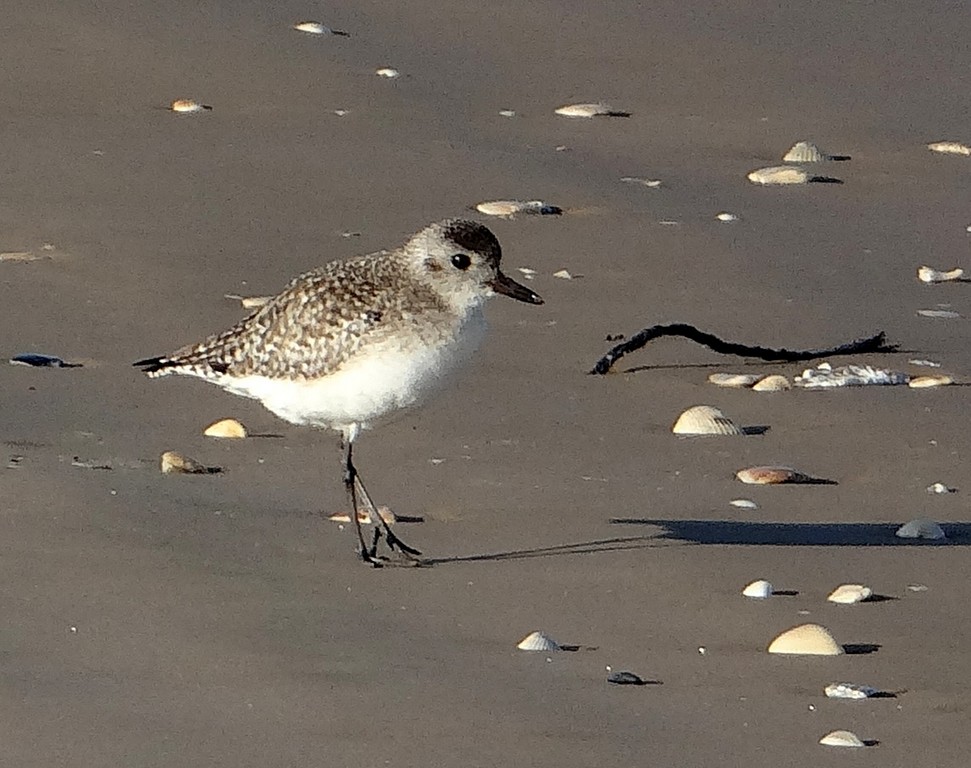
And a cute little tern. It was getting late and we really didn’t take enough beach photos. This area may be all settled with condos by the time we come back.
speckled trout
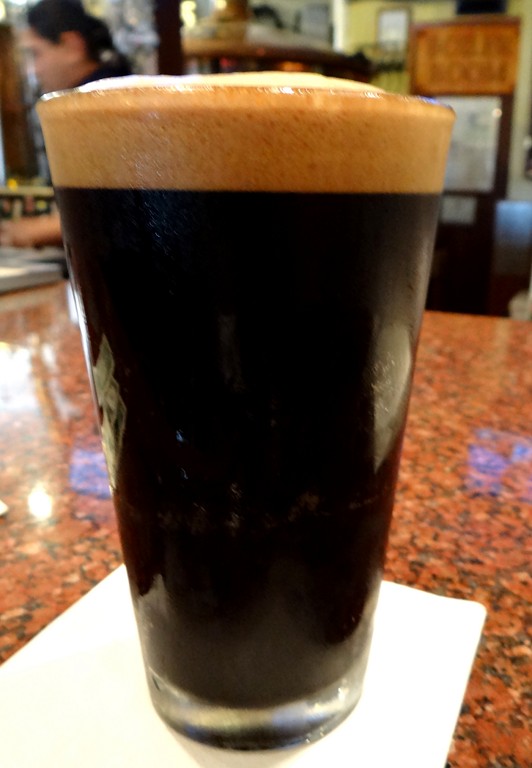
On the way back through town, we stopped at the Padre Island Brewing Company for a cold brew and because we got there at happy hour, brews were only $2.75 a pint and fresh oysters on the half shell, 50 cents.
DSC00498 (Copy)
Yum!  Perfect end to a perfect day. (Oops!  I missed the sign on the causeway that said Watch For Low Flying Pelicans.) What a hoot!