Showing posts with label disease. Show all posts

Friday, June 23, 2017

RAISING A TEPEE.


American Indians built tepees big enough to shelter a family in winter or summer. Old movie westerns showed tepees that were open structures with a flap over the entrance. In the movies a tall person had to stoop a bit to enter and maybe four people could fit inside seated around a fire. I was privileged to watch Harvey White Bear and his wife Cathy put up this authentic tepee at Sky Hawk Ranch in Murphys.


The poles are 25 feet long and each one is a birch tree. Over several hundred years, the nomadic plains Indians learned to build a comfortable, practical dwelling  that served them well through summer and winter. Harvey walks a rope around and around the structure.  Each set of poles is tied the required six times.


The people took down their dwellings about every six months as they followed the herds of buffalo, their main source of food and materials. Precise ways, tried and true, are followed to make the job faster and easier to pick up and move on as a group.


Harvey spreads the canvas centered on one pole. He secures it at the required distance from the top so it won't slip when it is raised. It is a ritual. He loves staying in touch with his heritage by erecting this tepee according to the custom of his forefathers. "I don't get much practice," he said. "I was very happy the Clan asked me to put it up." Harvey belongs to the Bear Clan centered in Idaho. He lives in Wallace and is Cherokee, raised by Comanche with Miwuk cousins. There is another tepee like this one erected near Laytonville by the Owl Clan.


Cathy and "Grandmother Jan" loosely fold the canvas over the pole. Elder women and men are called "grandfather" and "grandmother." They are treated with special respect. It is an honor to be a grandmother or grandfather who council the young, and teach them the accumulated wisdom and  history of the tribe through the years.


Cathy picks  up the heavy end so Harvey can get a rope under the heavy mass of wood and canvas. He ties it in two places.


Cindy holds the heavy end, Harvey takes the great weight in the middle and Jan balances with the top of the pole. Cindy will place the end on the ground and keep her foot wedged against it while Harvey and Jan raise it up to the top.


That plan didn't work. It was too heavy to get to the top with just three people. And, it also hit some tree branches before it could be placed. Grandmother Jan suggested seating it narrow end first and avoid the branches.


Grandmother Jan got reinforcements by waking up a night working neighbor, Rob. Harvey climbed up a ladder and guided it into the right slot.

From the inside, the poles are pushed out as far as they will go pushing into the canvas and tightening it.


Harvey laces up the door which must face East.


The last two poles are inserted into leather cones that have been sewn into the canvas. This is the air conditioning and draft mechanism for the fire. They can be positioned to take advantage of the wind. They vent the smoke and can be flipped to the other side of the tepee if needed.

The last task is to stake the tent to the ground. Native Americans use metal stakes and canvas and every modern tool they can to make the job easier. Their ancestors had fewer choices. Grandfather John, joined us late in the process.

It took about three hours to raise the tepee. In summer, the air flows up from the bottom and out the top. The air conditioning.
During winter, another canvas is attached to the inside covering the draft. It can be rolled up and down as needed. This tepee will not be used as a dwelling, so the inside cover is not placed. Harvey is active with the boy scouts to teach his particular skills. But, he doesn't get many opportunities to put up a grand tepee. The ceremony to bless the dwelling with a gathering of the clan will depend on the health of Grandmother Tanya, who is ill and is the head of the Clan.
The Clan is of mixed tribes who have joined together for their own preservation.  Harvey mentioned that there were about 9,000 different Tribes in North America heavily populated with estimates close to a billion people. Now only 500 distinct tribes exist, most on the west coast. Their combined population is 5,295,700.  They've been decimated by European diseases, Indian Removal Acts, Broken Treaties, Indoctrination, Re-education, Confinement to Reservation life and killing off the buffalo. The loss of dignity, their oral history, art, respect, hope, language and pervasive alcoholism threatens the thin chain of life for many. Another stage of American imperialism and shame. Europeans are a patriarchal society and could never understand or respect a matriarchal society.
The tide is turning but it is still an uphill battle. I hope to be invited to the up-coming ceremony.

Monday, March 27, 2017

TRAIN AND BUS TO KHAJURAHO


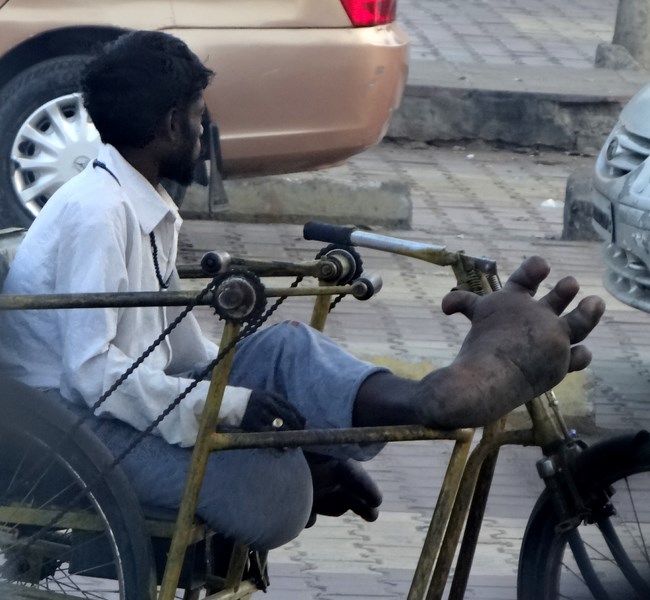
It's hard to look at people with elephantiasis. Both feet are affected. This man lives by begging. His hangout is the train station and I suspect he does well. Another man here had swollen  thighs that looked as though his flesh was made of stacked rubber tires the size of a kids wagon wheels. The Jhansi station was very dirty.

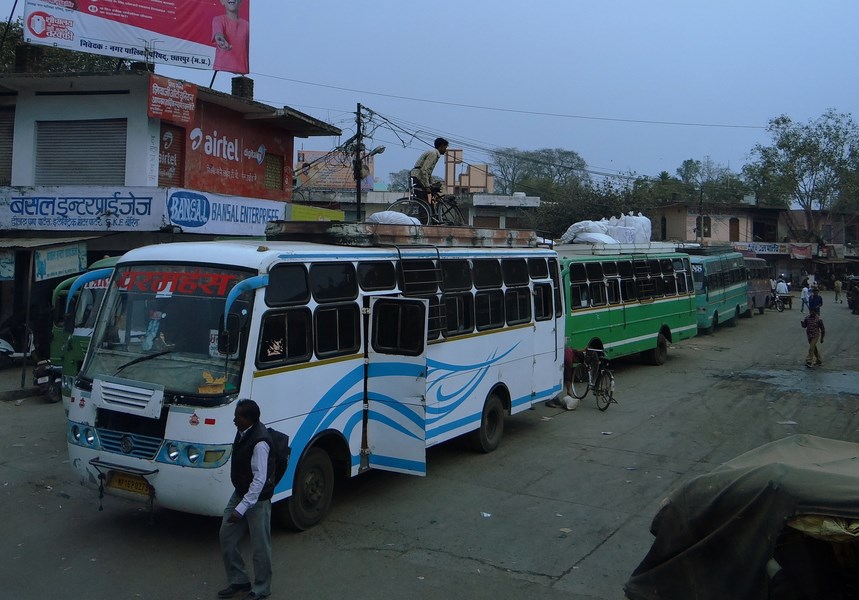
I was glad to load into a bus for the five hour drive to Khajuraho to visit the Bundela civilization.

This is what we call "out in the boondocks" at home. People we pass seem to be poorer in these small towns and villages.

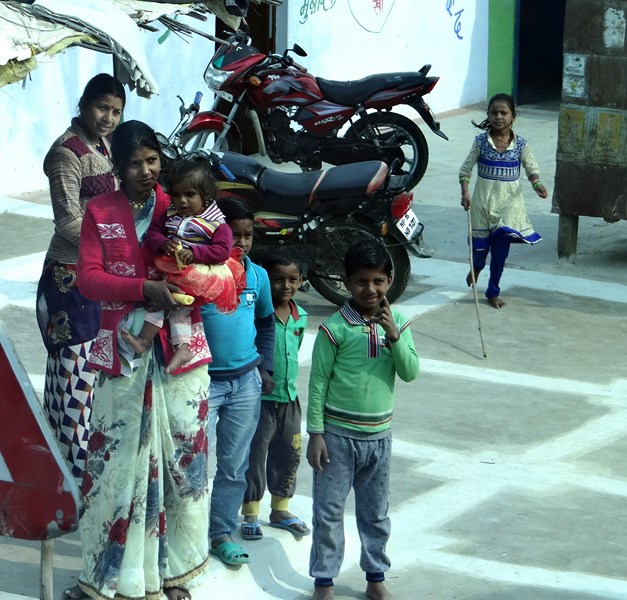
The little girl in the back is blind. She fends for herself. Probably attached to the family waiting on the edge of the street.

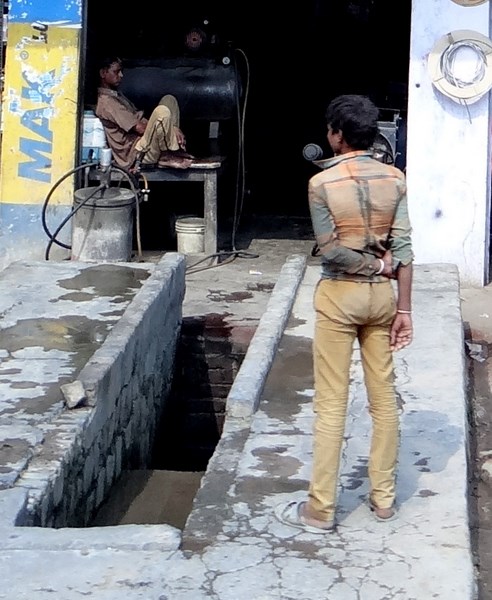
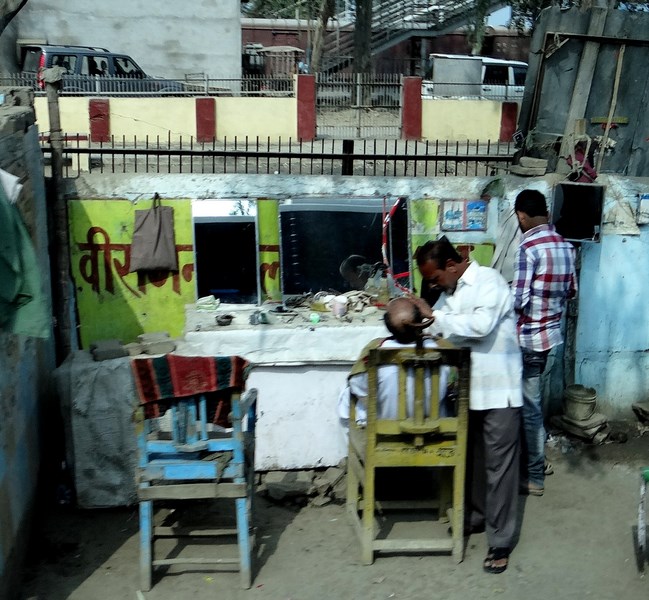
We are not accustomed to the idea that where you live is where you sleep and keep your belongings. All business is on the street. You eat, get your hair fixed, buy food, clothes, paper,  tools, whatever you need is on the street. This barber shop has a mirror. Most have only a hand mirror.

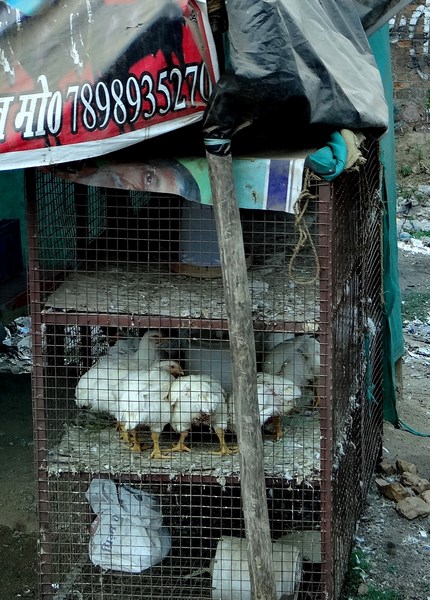
Fresh chickens for sale.

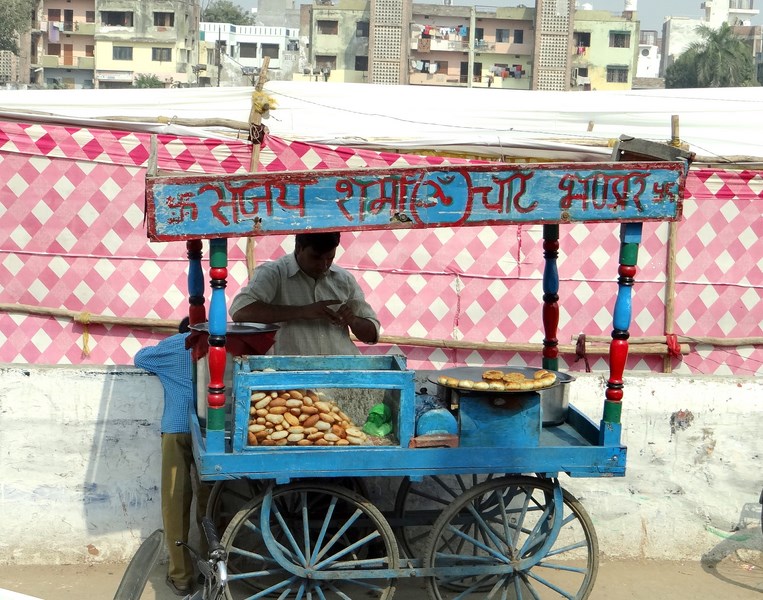
Or a ready made meal.  These dumplings in our hotel restaurants, are quite tasty. Some are rice, some lentil.

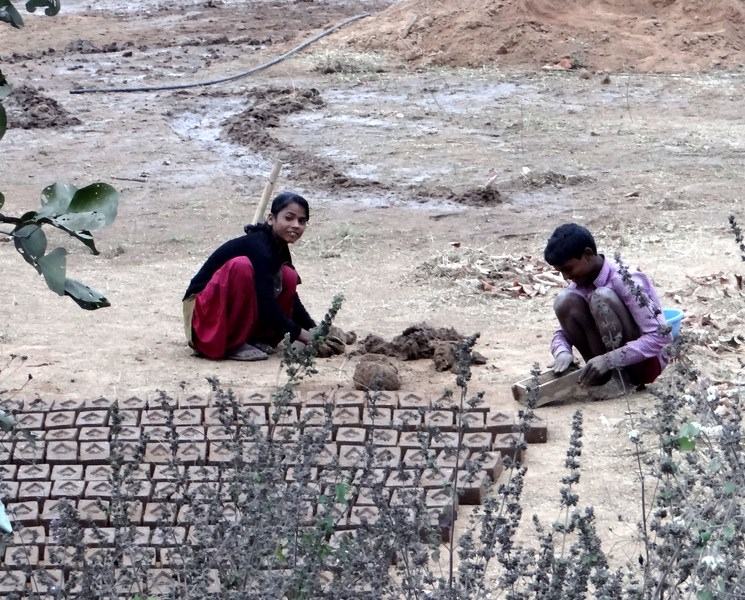
On the side of the road, this young couple was making bricks. Ranvir stopped the bus and we watched. It takes around five 5 seconds to make a brick. They said they each make about 300 bricks a day. At the end of the season they will sell them for three cents each.

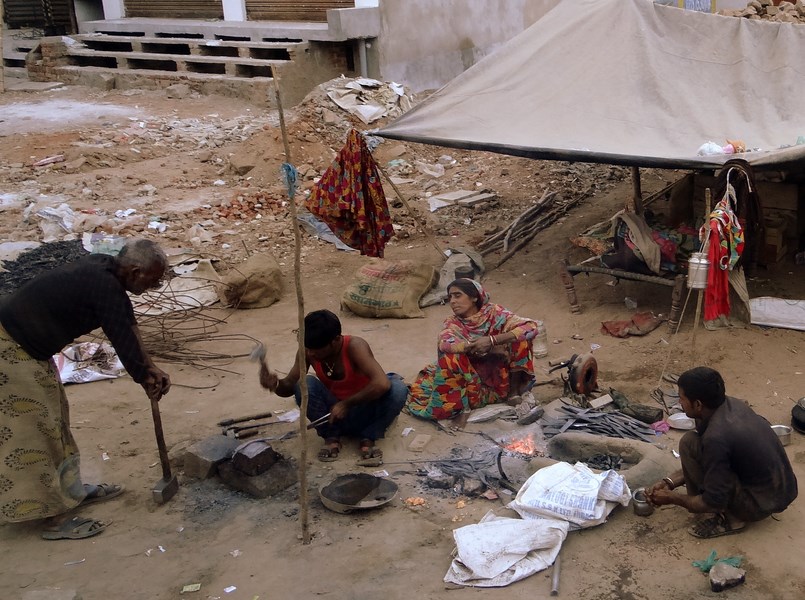
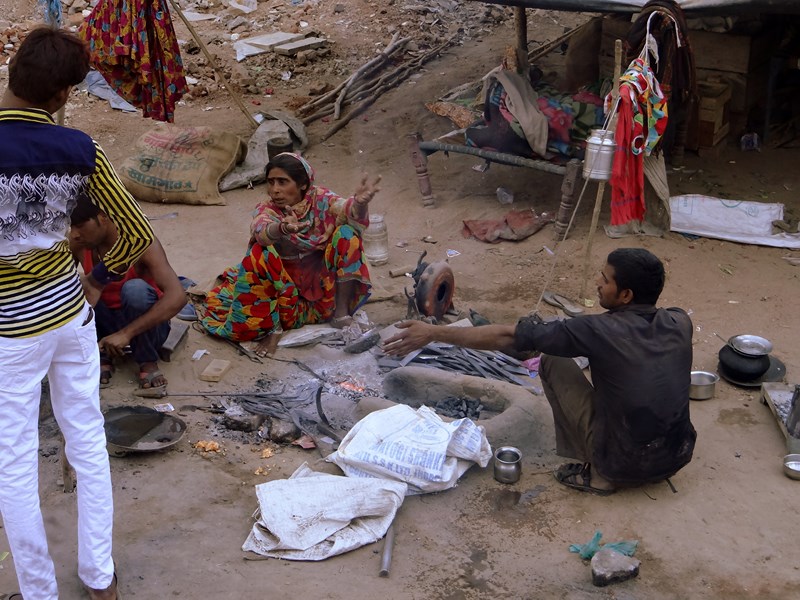
If you need iron work done, you have to wait for the gypsies to come to town.

Ranvir gives a standard warning. Thieves. They steal everything and you have to be watchful until they leave.

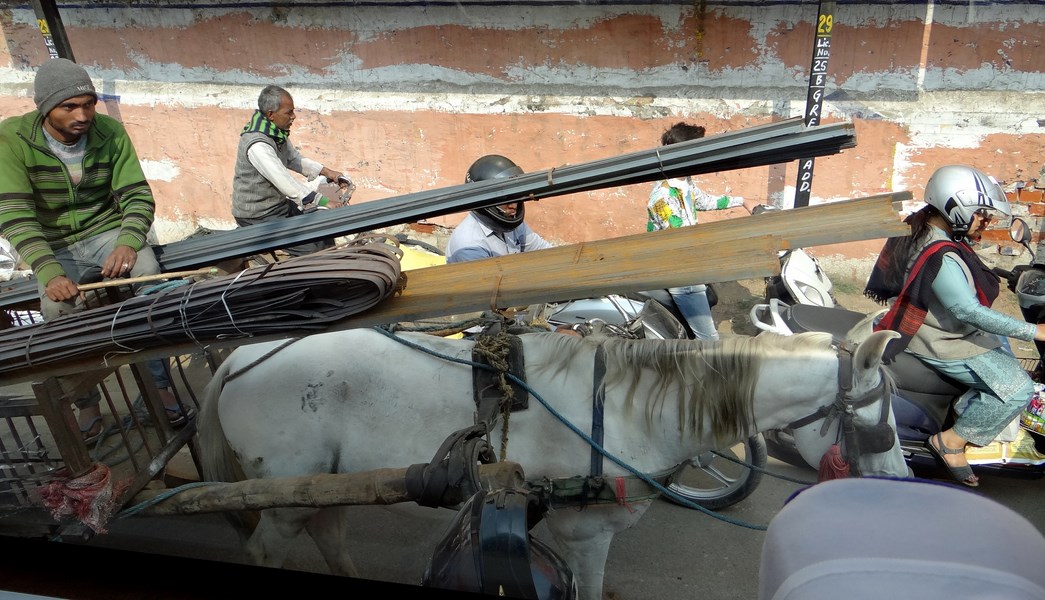
Heavy loads are standard everywhere in India, it seems.

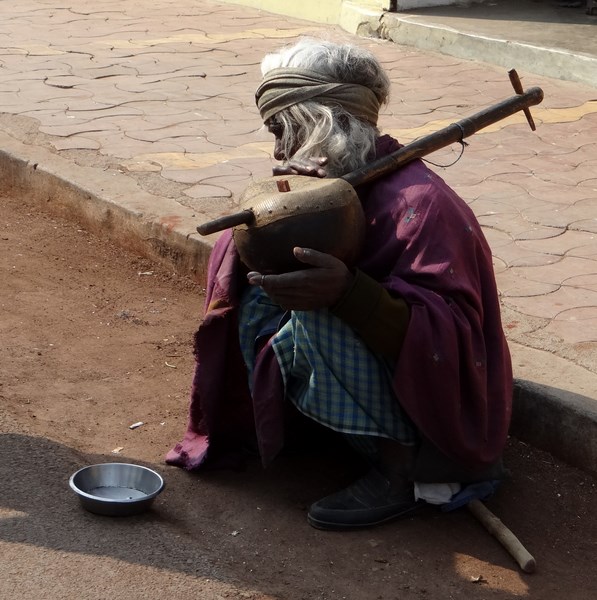
At first I thought this was a woman. He plays a homemade instrument for his rupees but he has a ring and leather shoes.

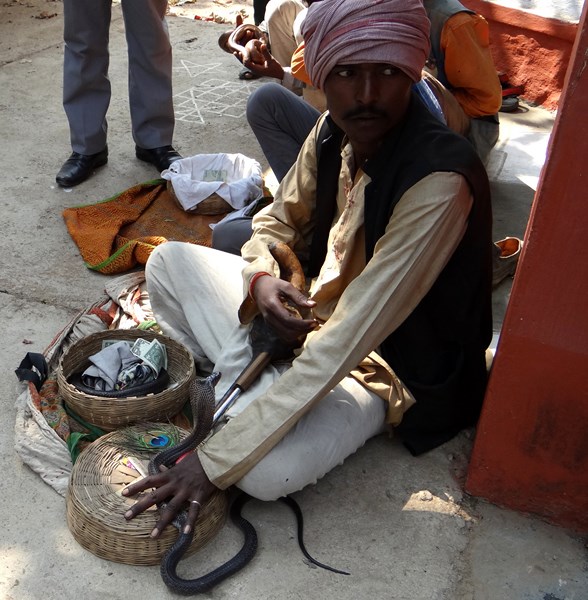
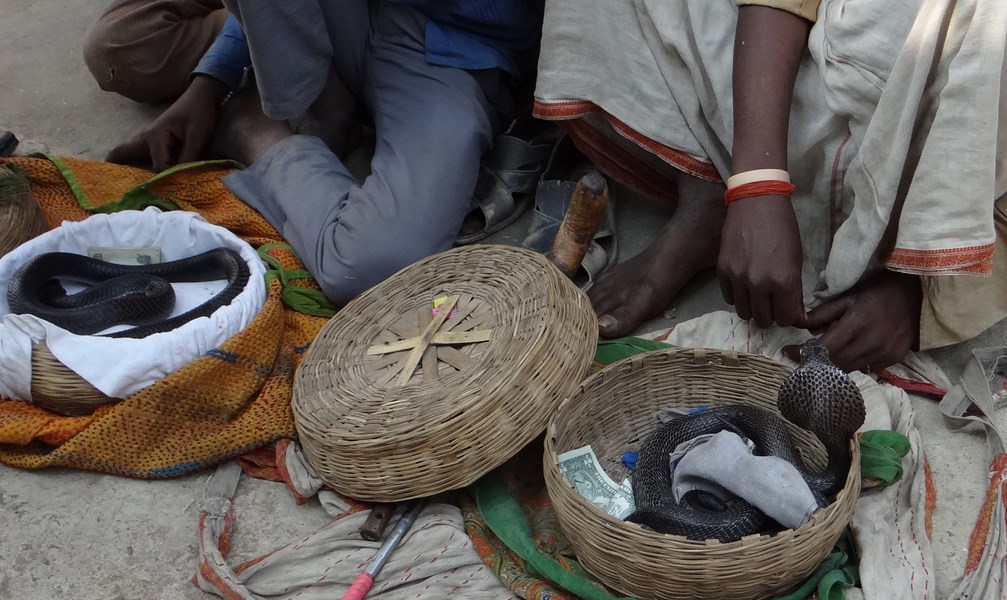
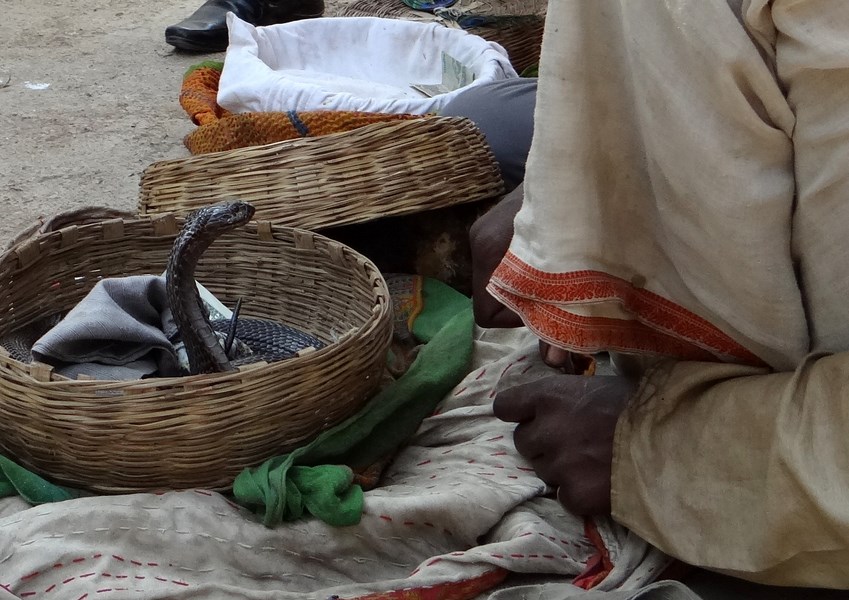
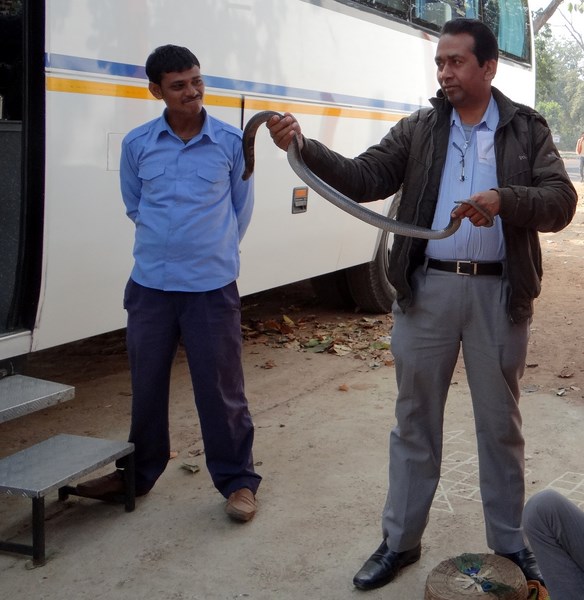
We stop for lunch at a local restaurant. Cobra handlers seem quite at ease with their snakes.
After watching a Youtube video called Cleaning The Cobra Pit some years back, my impression is they are not an aggressive snake. But they are still deadly.

My oldest son kept snakes and they don't frighten me, but Ranvir didn't want us to get close.

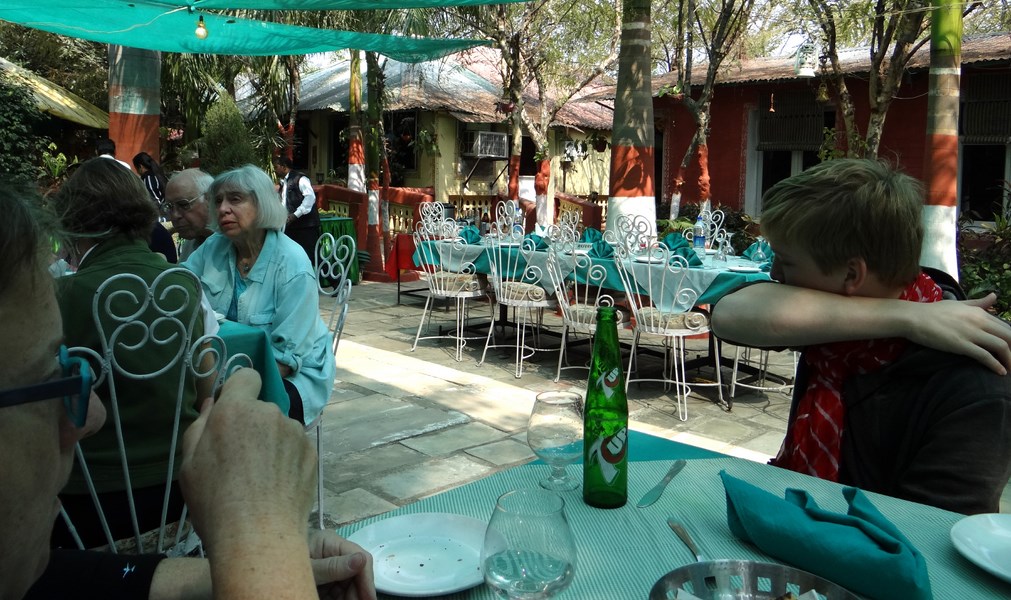
Lunch here was some of the best food I've tasted in India. Not overly salty. Really fresh tasting. After we praised it, Ranvir told us his two nieces,  run the restaurant.

Theo is still not feeling well. It seems to be a respiratory ailment that hangs on.

When we left the restaurant, one handler was educating the bus driver's apprentice about his snake.

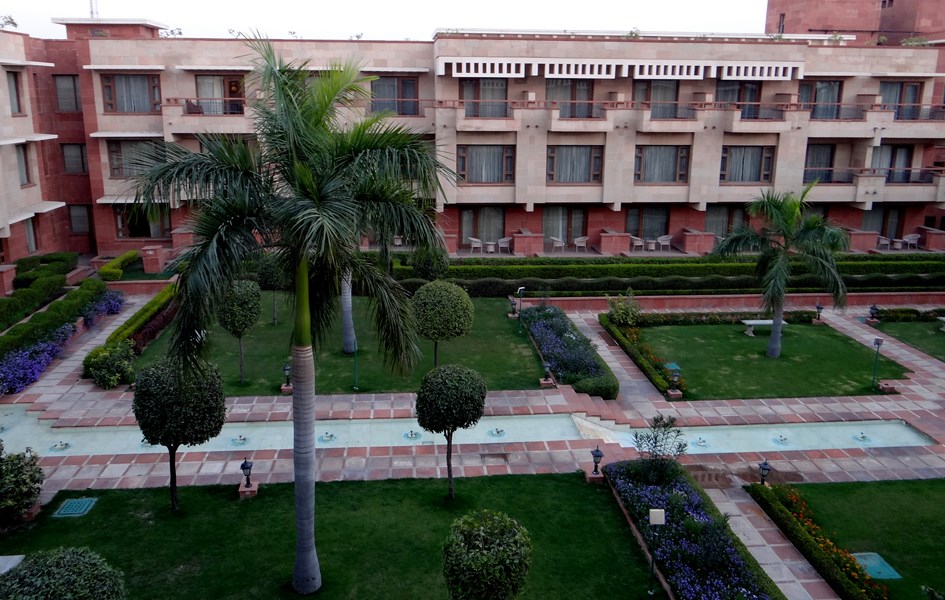
We arrive at our hotel. I've forgotten what hotel had monkey security guards. We were cautioned to lock our balcony doors because the monkeys have learned how to open them.

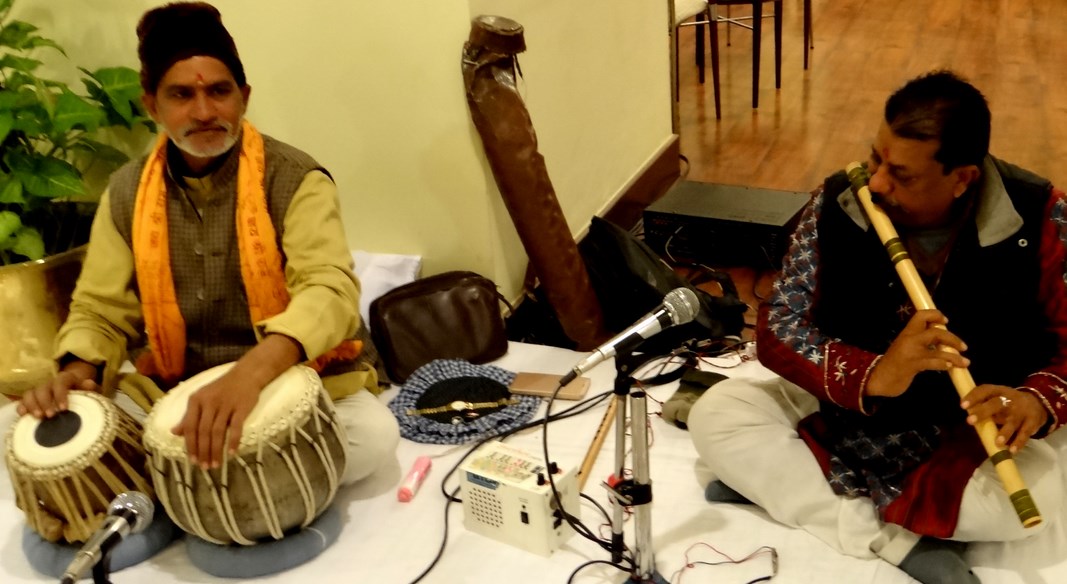
This hotel had live music and wonderful art work.

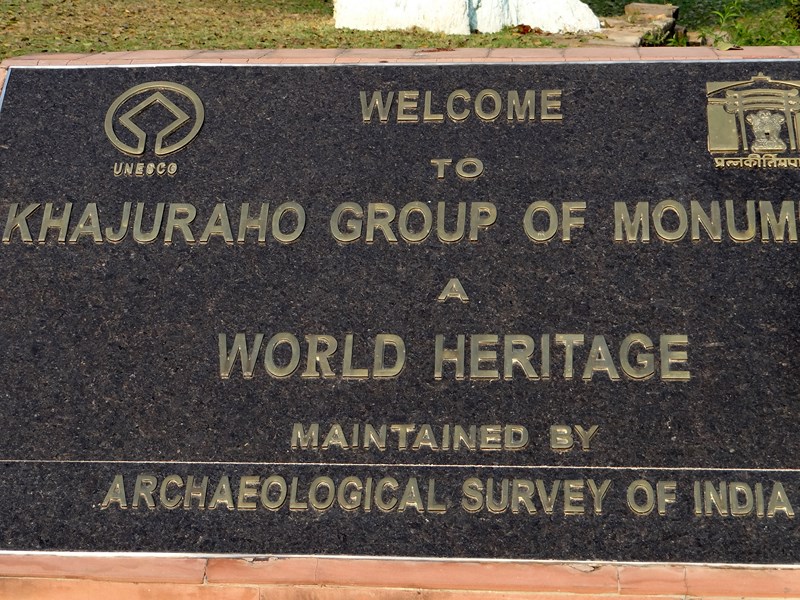
In the morning, we will visit the park of the Chandela civilization. There were many sects from the area that believed the act of sex was a God sent pleasure of all living creatures to be encouraged in all of its forms. Be warned that the next blog will contain erotic carvings from the Khajuraho monuments.

Thursday, May 9, 2013

MAMMOUTH CAVE NATIONAL PARK, KENTUCKY

DSC05539 (Copy)

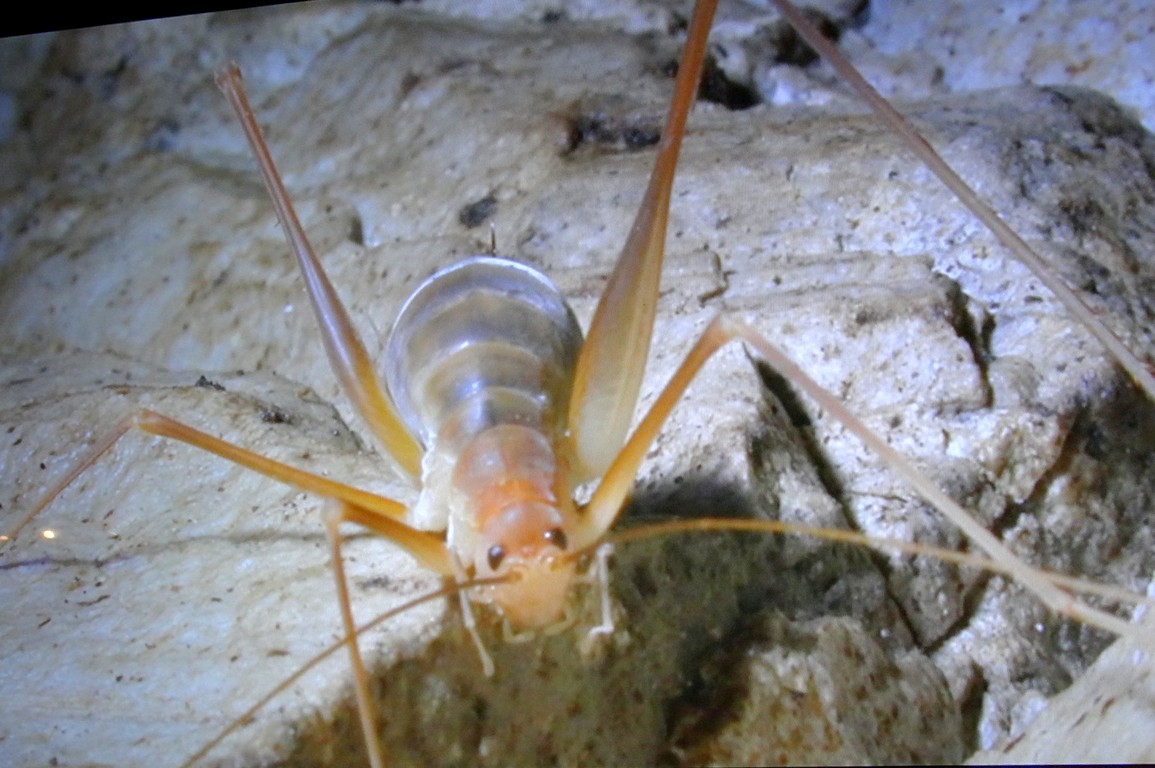
Mammouth Cave is without a doubt the biggest cave in the world, covering 73,000 acres and 400 miles of underground territory. That figure may grow as cave explorers continue to map and explore to find the end of this massive underground water-formed labyrinth. The cave isn't the only mammoth thing, the cave cricket above is from two to three inches in length. It doesn't make sounds like our above ground crickets.
DSC05545 (Copy)

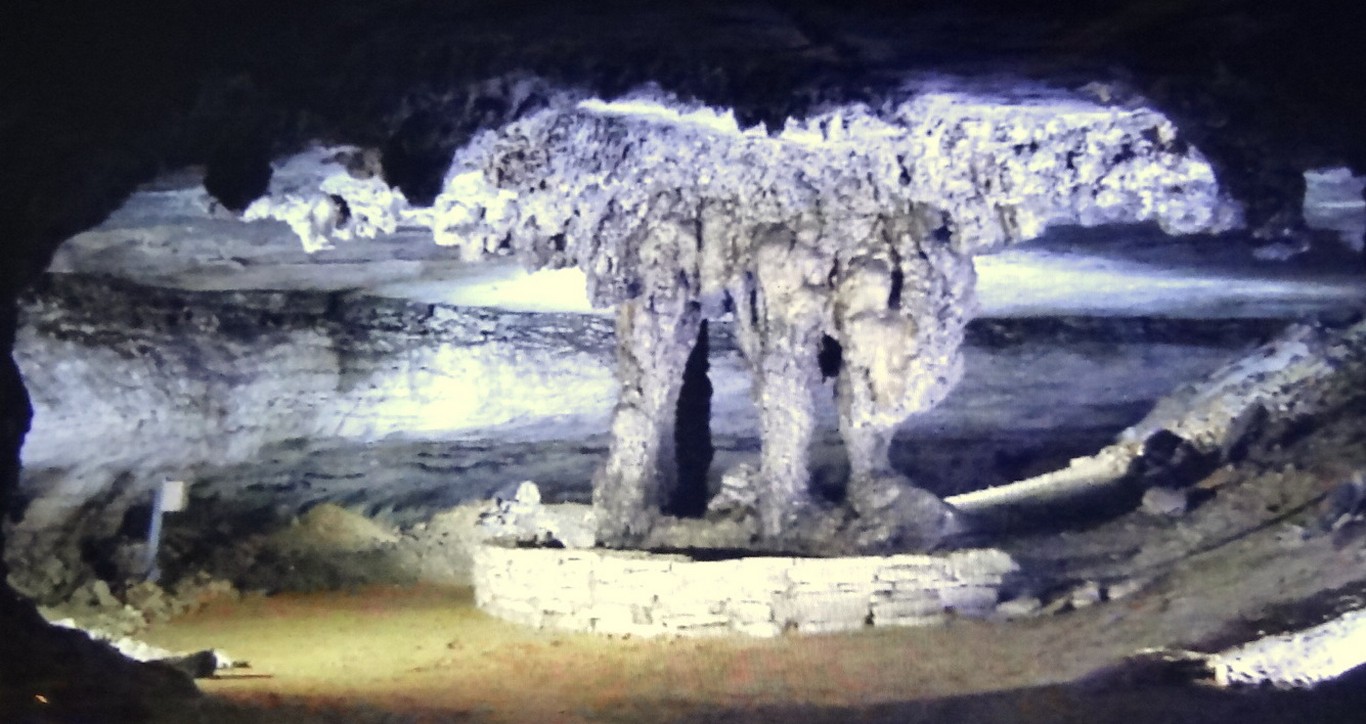
We arrived at the visitors center one hour before our reservation. That hour was nicely filled by a film and the displays. Because of my difficulty to do stairs, we signed on for a short tour that only has 12 steps and an optional 98. The tours are many and varied; you will have a lot of choices.  Mammouth has tours for every adventurous spirit. I took pictures of one of the films figuring it would have much we will not see on our tour, such as this altar rock.
DSC05546 (Copy)

When the cave was in private hands, people were invited to get married in the cave along with their guests.
DSC05549 (Copy)

Through a hole in the limestone roof, water cascades into the cave from a sinkhole above that captures water during heavy rains.
DSC05551 (Copy)

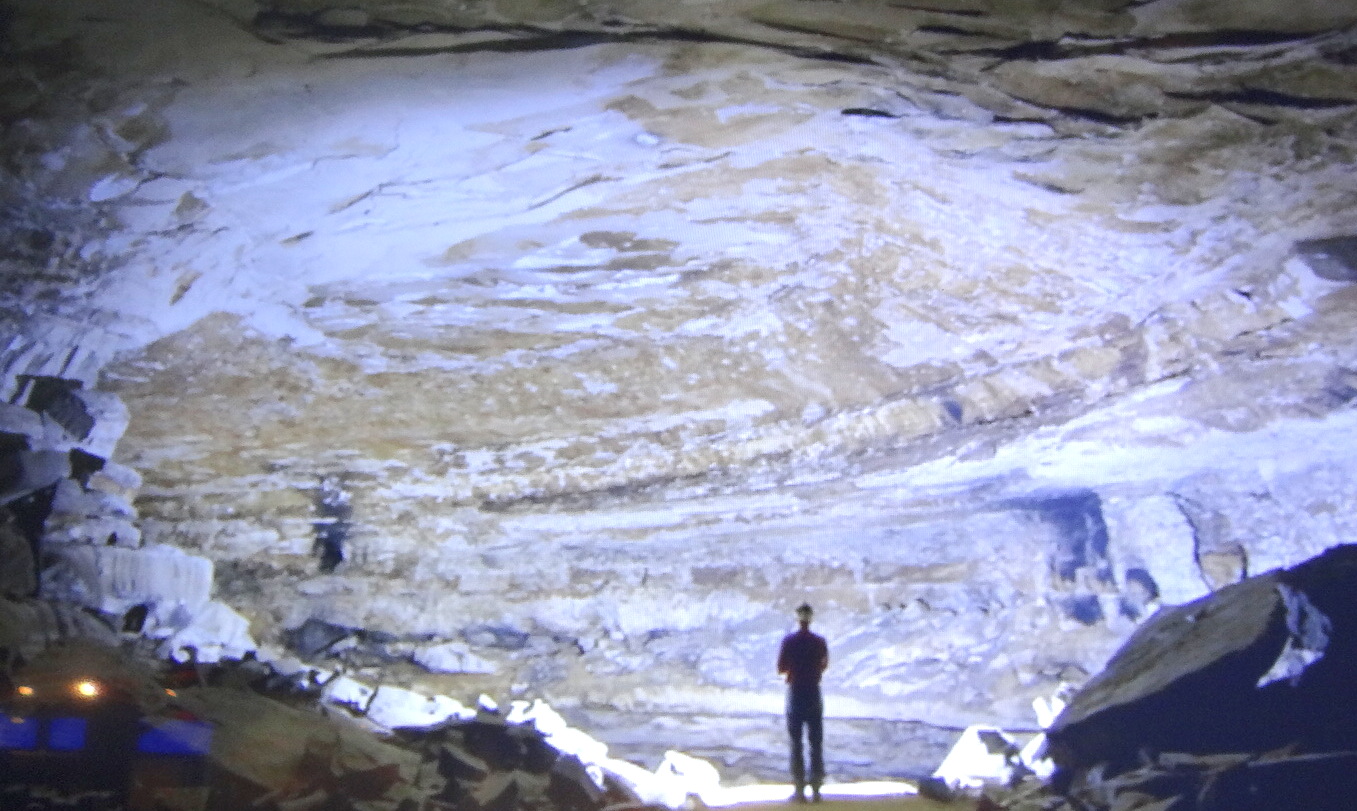
The cave system was occupied by various indigenous people at least 7,000 years ago. Their rush torches undecayed on a rock; evidence of their fires at the bottom of the cave from the discovery  entrance. While we don't know much about current cave mappers/explorers, we do know a bit about the old timers.
DSC05544 (Copy)

Stephen Bishop, a self-educated enslaved person became a legendary guide and explorer. He began guiding visitors at the age of 17 in 1838. He was the first to get by the daunting "deep hole" and opened up many miles of the cave. (Not pictured.)
DSC05547

An amateur explorer, Floyd Collins, died in the cave in 1925, trapped under a boulder in a sand cave. No one was able to rescue him. Sensational news coverage spurred the government to make it a National Park in 1926.
DSC05555 (Copy)

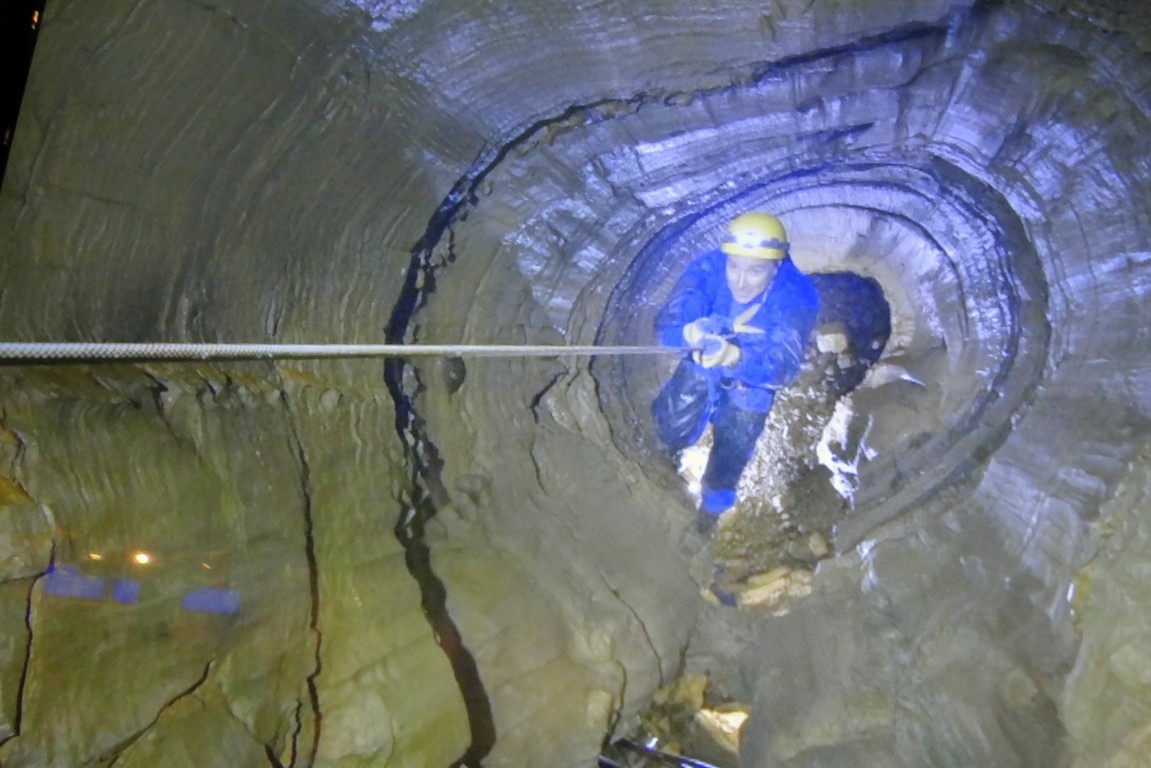
From an original seven miles of cave, Mammouth has grown, and grown. In 1993, it was a 370 mile cave. The current mappers/explorers continue to push deeper and deeper into unknown areas, often crawling like ants in a tube to discover new "rooms". The explorer above has an inflated roof to keep water from dropping on him and his stuff while he sleeps and eats.
DSC05553 (Copy)

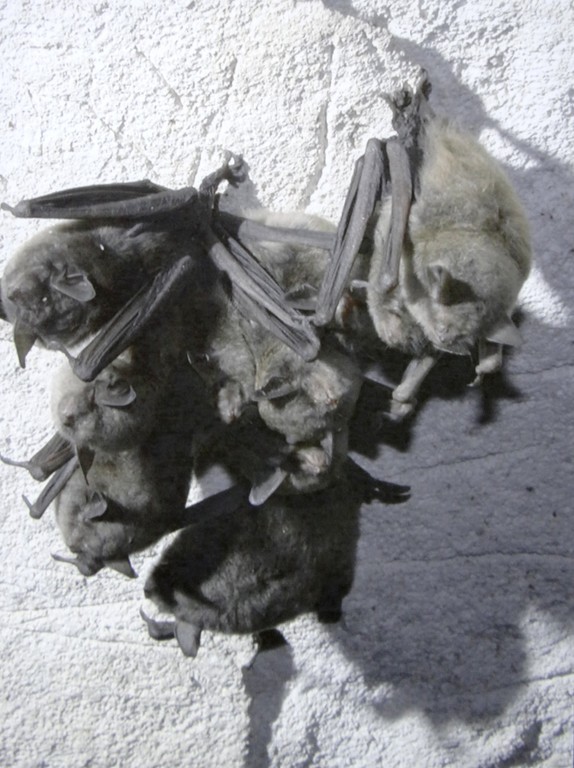
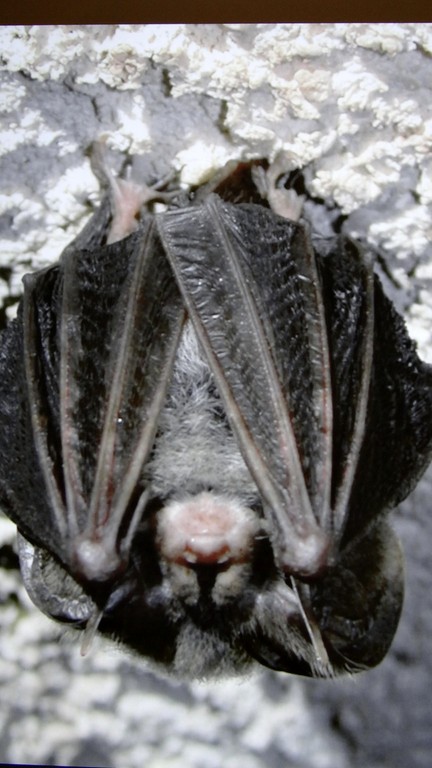
The film had photos of several different types of bats in the cave. These are only as big as your thumb.
DSC05552 (Copy)

Caves are losing millions of their bats to a disease called white nose. It started in the East and is moving west. It has reached Mammouth in a part of the cave where no visitors travel. So, they figure the disease was brought in by the bats. But, as a precaution, you walk across a haz-mat to clean your shoes when leaving the cave, and they ask you to clean before you enter if you've visited a cave or a mine within the last five years.  It is a critical disease probably brought from another country on someones feet.
DSC05561 (Copy)

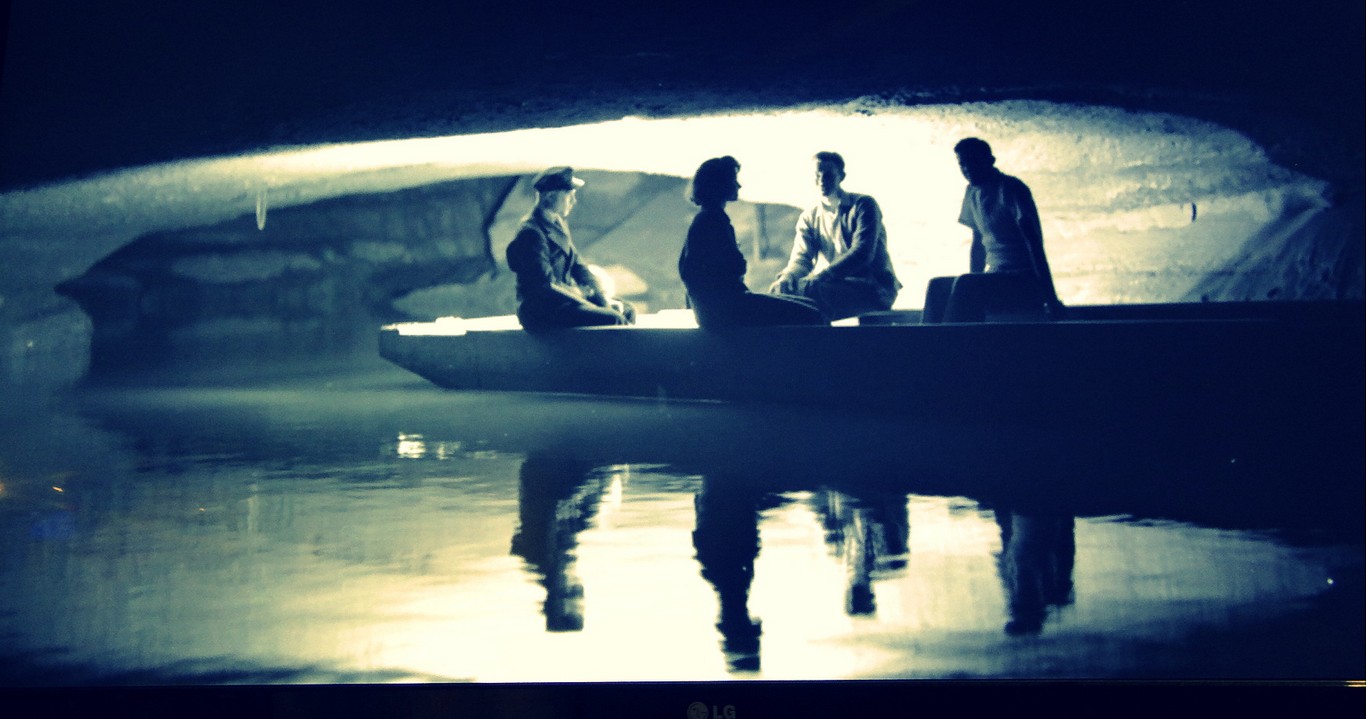
We know we won't be going on the underground river tour, but isn't that an exciting idea?  I swam across an underground river in a cave,  hanging onto a rope,  in Cave City located in Mountain Ranch in  Calaveras County, CA. where I live. It was an amazing experience.
DSC05560 (Copy)

A plant that grows in the cave. The connection to the outside, bats, birds, insects, fish, salamanders, all play their part in this unique eco-system. Fascinating.
DSC05562 (Copy)

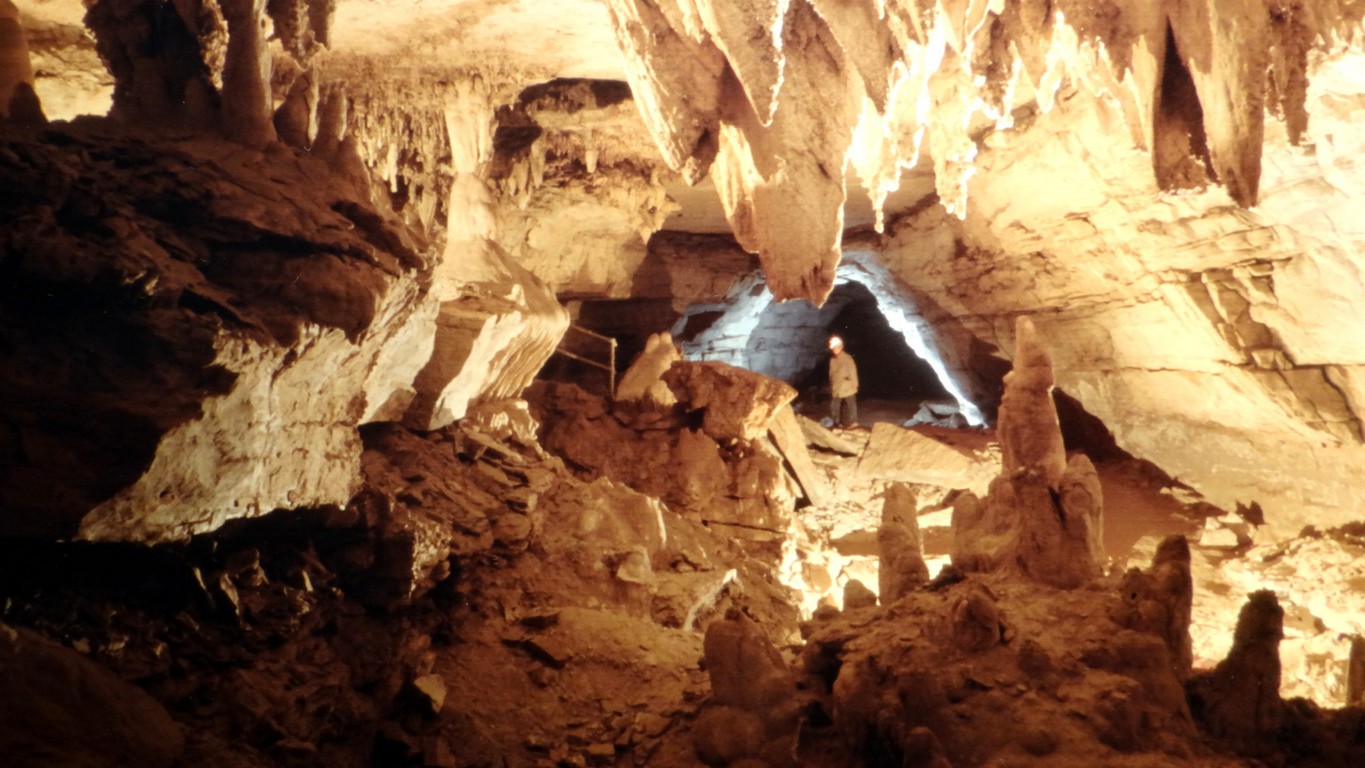
This colorful fall of eroded limestone is golden and beautiful. I'll post my own pictures from the cave tomorrow, since we have washday and other chores today. I'm bummed because early in the tour, a drop of liquid fell on my head, and, unbeknownst to me, one drop hit my camera lens. Most of my pictures are smudged. Lighting is such and the ability to learn quickly how to take photos in a dark cave, means my pictures are disappointing.  In this little tour, you don't find the fans and the bacon and multiple colors I've seen in other caves. A woman on the tour complained, "Carlsbad is much prettier. I wasn't impressed with this cave."  Considering how little she saw of Mammouth, I feel lucky to be here, at this point in time, in a cave of great significance and renown the world over. Millions of people go through this park every year and find beauty here, as we did.